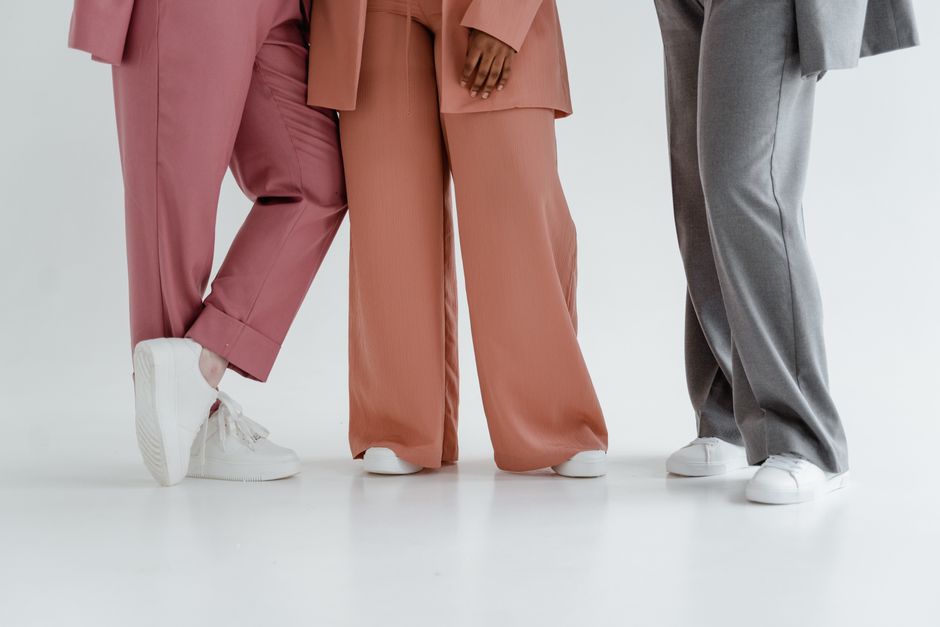
Introduction: European Minimalist Fashion Trends for Spring 2026
Spring 2026 is officially the season European fashion doubles down on what it does best: restraint, refined tailoring, and an almost meditative commitment to quality over flash. If you’ve got a European trip on the calendar, understanding these **european minimalist fashion trends for spring 2026** is more than just style inspiration — it’s practical travel intelligence. The way you dress in Paris, Milan, or Copenhagen directly shapes how locals receive you, from shopkeepers to strangers on the street.
Here’s something most travel guides won’t tell you: Europeans aren’t just stylish by accident. They’re stylish because of the things they deliberately *avoid*. Walking through any major European city in spring, you’ll notice a remarkable absence of the clothing choices that American tourists often pack without a second thought. It’s not that Europeans are judging you — it’s that their fashion culture operates on a completely different set of unspoken rules.
This guide walks you through ten wardrobe traps that will mark you as an outsider the moment you step off the plane. More importantly, it gives you the polished, effortless alternatives that will help you blend in — and look incredible doing it.
Quick pick: Compare top-rated Europe Fashion options.
1. Avoiding Overly Casual Clothing
Nothing announces “tourist” faster than athleisure worn as everyday wear. In cities like Paris, Rome, and Amsterdam, locals treat clothing as a form of self-respect. Jogging pants, oversized hoodies, and athletic slides are reserved strictly for the gym or the beach — not brunch, museums, or evening walks.
Europeans dress with intention even when they’re running errands. That means **tailored trousers**, a structured blazer, or a clean linen shirt even for a casual day of sightseeing. The goal isn’t formality for its own sake — it’s the quiet confidence that comes from looking put-together.
- Skip: elastic-waist pants, hoodie-and-sneaker combos, athletic wear as daywear
- Pack instead: well-fitted dark denim jeans, a ** Breton stripe top**, a lightweight cardigan that works over multiple outfits
**Stylish alternative:** A neutral cashmere pullover paired with straight-leg wool trousers gives you comfort without sacrificing an ounce of elegance — and folds flat in your suitcase.
2. Saying No to Excessive Logos
Spring 2026 runway trends in Milan and Paris made one thing abundantly clear: the era of logomania is officially over. Europeans have known this for years. Clothing plastered with large brand names reads as loud, insecure, and frankly dated.
The smart European approach is to let **quality fabrics and clean silhouettes** speak for themselves. If you want to signal good taste, choose pieces from heritage brands that don’t need to shout their name across your chest. The subtler your branding, the more sophisticated the impression.
- Skip: graphic tees with oversized logos, belt plaques, logo-stamped handbags
- Pack instead: a leather tote with minimal hardware, a **structured coat** in a solid neutral, understated stud earrings
**Stylish alternative:** A well-made camel wool coat from a heritage maker — no visible logo required — is the single most European investment you can make for your trip.
3. Choosing Quality Over Quantity
This is the beating heart of every European wardrobe, and it aligns perfectly with the **european minimalist fashion trends for spring 2026**. Europeans would rather own five exceptional pieces than fifty forgettable ones. This philosophy shows up in every city: the Milanese professional in one perfectly cut blazer, the Copenhagen woman whose capsule wardrobe generates twenty outfit combinations.
Fast fashion items — thin fabrics, sloppy stitching, synthetic materials that pill after one wash — are immediately recognizable to a European eye. They’re also bad for the environment, which matters deeply to eco-conscious European consumers.
- Skip: trend-driven fast-fashion impulse buys, items with visible seams or pilling fabric
- Invest instead in: a **tailored wool blazer**, a quality leather handbag, a pair of leather boots that can be resoled
**Stylish alternative:** Build a travel capsule of four mix-and-match neutral pieces — a blazer, a silk blouse, wide-leg trousers, and a good pair of leather ankle boots. These create at least eight outfit combinations without duplicating effort.
4. Mastering the Art of Accessorizing
Europeans understand that accessories are punctuation marks in a sentence — they signal mood, add polish, and pull an outfit together. But they do it with remarkable restraint. One great scarf, a pair of understated earrings, or a leather belt that matches your bag: that’s all it takes.
The key is thinking about accessories as **investment upgrades**, not novelty add-ons. A quality leather belt in cognac or black works with nearly everything. A silk scarf in a neutral tone can be worn around the neck, tied to a handbag, or worn as a headband. The Europeans mastered this art generations ago.
- Skip: costume jewelry, printed bandanas, overly embellished statement pieces
- Pack instead: a **cashmere scarf** in a neutral tone, simple hoop or stud earrings, a leather watch with a clean face
**Stylish alternative:** A single high-quality leather handbag in tan or black handles every occasion — from daytime sightseeing to an evening dinner — without ever looking out of place.
5. Embracing Neutral Colors and Subtle Patterns
One of the most recognizable **european minimalist fashion trends for spring 2026** is the continued dominance of neutral and earthy palettes. Think warm sand, stone grey, olive green, soft camel, and ivory. These colors photograph beautifully, mix effortlessly, and look refined in any European setting.
Subtle patterns — a fine stripe, a understated houndstooth, a delicate plaid — add visual interest without overwhelming. Large floral prints, busy tropical motifs, and anything neon are firmly in the tourist category.
- Skip: neon colors, loud tropical prints, anything with excessive pattern
- Embrace: camel, navy, olive, ivory, soft grey — and patterns no larger than a fingertip
| Color Palette | Spring 2026 European Style | American Travel Wardrobe |
|---|---|---|
| Neutrals | Camel, stone, ivory, navy | Black, grey, white basics |
| Patterns | Fine stripe, pinstripe, micro-check | Large logo prints, bold florals |
| Texture | Linen, wool, silk, cashmere | Polyester blends, cotton-poly |
**Stylish alternative:** A **linen blazer** in stone or sand pairs with everything from dark denim to tailored trousers. It’s breathable for spring warmth, looks polished, and packs like a dream.
6. Avoiding Overly Revealing Clothing
Europeans tend toward a more covered-up aesthetic, especially in cities with historic churches, fine dining restaurants, and upscale shopping districts. Strapless tops, extremely short shorts, and anything that shows midriff or cleavage is best left at home.
This isn’t about being conservative for moral reasons — it’s about the European preference for **elegant restraint**. Showing a little skin can read as try-hard or inappropriate depending on the context. The goal is to look pulled-together, not underdressed or overdone.
- Skip: crop tops, low-cut blouses, micro shorts, spaghetti-strap dresses for daytime
- Pack instead: midi-length skirts, high-waisted trousers, blouses with modest necklines, a **cardigan or jacket** to layer over sleeveless tops
**Stylish alternative:** A midi wrap dress in a solid neutral color works for daytime sightseeing, a casual lunch, and even a nicer dinner — just add a scarf or a statement necklace to elevate it.
7. Keeping It Simple with Shoes
Shoes are where many American tourists lose the plot entirely. Clunky athletic sneakers worn with everything, flip-flops in cities, platform shoes that scream “I don’t know where I am” — Europeans notice. Your footwear makes a stronger style statement than almost any other item.
The European ideal is a **low-profile leather shoe** that is genuinely comfortable for walking — because you’ll be walking a lot. Think clean-lined leather sneakers, leather ankle boots, ballet flats, or a simple leather sandal. The shoe should look intentional, not like an afterthought.
- Skip: neon running shoes, flip-flops, chunky platform boots, anything with excessive brand detailing
- Pack instead: white or tan leather sneakers, a pair of **leather ankle boots** with a low block heel, simple ballet flats
**Stylish alternative:** A pair of minimalist white leather sneakers with clean rubber soles handles cobblestones, museums, train stations, and outdoor cafés without missing a beat.
8. Dressing for the Weather
Spring in Europe is gloriously unpredictable. You might wake up to grey skies and drizzle in Amsterdam, then walk into bright sunshine in Barcelona by afternoon. Europeans have mastered the art of **practical layering** — it’s not about packing for every possible weather scenario, it’s about owning pieces that adapt.
A quality rain shell that doesn’t look like activewear, a wool layer that packs small, and a scarf that doubles as warmth and style — these are the real workhorses of European spring dressing.
- Skip: heavy puffer jackets in spring, single thin layers that can’t be combined, rain ponchos that look clinical
- Pack instead: a **lightweight trench coat**, a cashmere or merino crewneck, a collapsible umbrella, a silk scarf for wind and warmth
**Stylish alternative:** A knee-length trench in stone or camel color handles rain, wind, and changing temperatures — and looks effortlessly chic in every European city.
9. Adapting to Local Customs
This is the section most tourists skip — and it’s the one that matters most. Certain European venues have dress codes that aren’t written on the door but are absolutely enforced by social expectation. Cathedrals and churches typically require covered shoulders and knees. High-end restaurants may require closed-toe shoes and collared shirts or equivalent for women.
Research your destinations before you pack. A trip that includes the Vatican, the opera in Vienna, or a fine dining experience in Lyon demands different wardrobe considerations than a beach day in Nice.
- Skip: assuming casual means anything goes, packing only one style tier, ignoring cultural context
- Research: check whether churches require coverage, whether restaurants have dress codes, whether the event is formal or informal
**Stylish alternative:** Pack one **dark tailored outfit** that works for both dressy dinners and religious sites. A black or navy ensemble with a silk blouse and a scarf that can be worn or removed covers most formal-casual European situations.
10. Packing Smartly and Efficiently
After all these style principles, the final step is putting them into action. Europeans pack light because they have to — carry-on luggage on regional trains, narrow elevator shafts in historic buildings, and the simple dignity of not dragging a massive suitcase through a medieval city center.
The smartest packing strategy is the **capsule wardrobe approach**: choose a color family, build outfits around interchangeable pieces, and leave room in your bag for the things you buy while traveling. Europeans rarely overpack — and they never, ever check a bag if they can help it.
- Skip: one outfit per day, single-use statement pieces, more than two pairs of shoes
- Pack: five mix-and-match pieces, two pairs of shoes, three accessories, one outer layer
**Stylish alternative:** A **three-color capsule** of navy, camel, and white lets you create a week’s worth of polished outfits from a carry-on bag. Add a scarf or statement earrings each day for variety without bulk.
Frequently Asked Questions (FAQ)
Q: What are some common fashion mistakes that tourists make when visiting Europe?
The most frequent mistakes involve dressing too casually, wearing clothing with large visible logos, and bringing too many shoes or pieces that can’t be mixed and matched together. Tourists also commonly pack synthetic fabrics that look rumpled after a few hours, and they neglect to bring a light outer layer — even in spring, European evenings can be surprisingly cold.
Q: How can I ensure that my clothing choices are appropriate for different occasions in Europe?
Research your specific destinations and planned activities before you pack. If your itinerary includes religious sites, churches, or fine dining restaurants, bring at least one covered, polished outfit that works for all of these contexts. A dark tailored blazer and a silk scarf handle the vast majority of dress-code-adjacent situations you might encounter.
Q: Are there any specific items that I should always pack when traveling to Europe?
A quality pair of leather ankle boots or minimalist sneakers, a lightweight trench coat or structured jacket, a **cashmere or silk scarf**, and a mix-and-match capsule wardrobe of neutral pieces should be at the top of every traveler’s packing list. These items work across climates, occasions, and style aesthetics throughout the continent.
Explore more europe fashion guides on our site.
Top Product Recommendations
| Product Name | Rating | Key Feature | Est. Price | Action |
|---|---|---|---|---|
| Best Europe Fashion Pick | ★★★★★ | Top-rated overall | $25–$45 | Check Lowest Price on Amazon |
| Budget Europe Fashion Option | ★★★★☆ | Great for beginners | $12–$28 | Check Lowest Price on Amazon |
| Premium Europe Fashion Choice | ★★★★☆ | Pro-level results | $50–$90 | Check Lowest Price on Amazon |
Affiliate Disclosure: This post contains affiliate links. We may earn a commission if you buy through our links, at no extra cost to you.
Leave a Reply