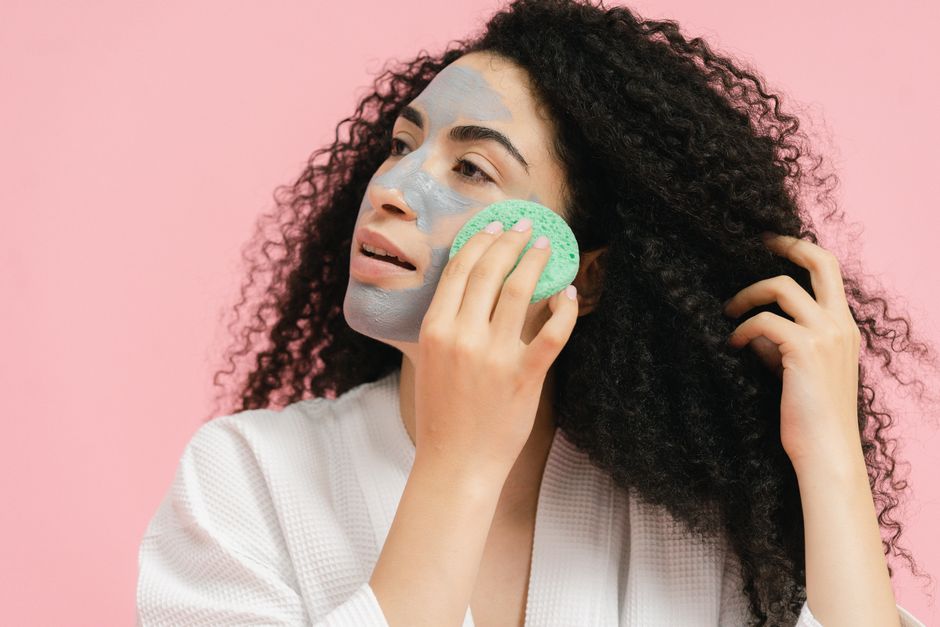
If you have **oily skin**, you already know the struggle: you spend time perfecting your makeup, and by noon it’s sliding off your face. The good news is that with the right **makeup hacks for oily skin that last all day**, you can keep your look fresh from morning to midnight. These tips go beyond the basics — they’re practical, proven strategies that work with your skin type, not against it.
Choose the Right Primer
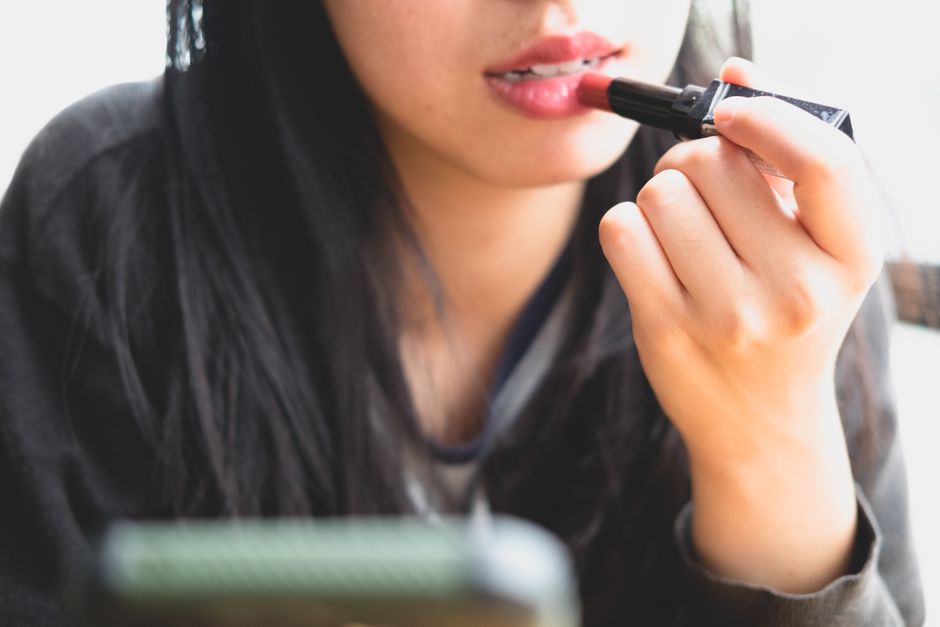
Primer is the unsung hero of long-lasting makeup on oily skin. Skipping it is one of the biggest mistakes you can make if your skin tends to get shiny. A good primer creates a smooth, oil-resistant base that helps everything on top of it stay put for hours longer than it otherwise would.
When shopping for a primer, look specifically for labels that say **mattifying**, **pore-minimizing**, or **oil-control**. These formulas typically contain ingredients like silica or kaolin clay that actively absorb sebum throughout the day. Avoid hydrating or luminous primers — those are designed for dry skin and will only amplify shine on an oily complexion.
Application technique matters too. Use your fingertips to press the primer into your skin rather than rubbing it in circles. Focus on your **T-zone** — forehead, nose, and chin — where oil production tends to be highest. Give it a full minute to set before moving on to foundation.
- Apply primer to clean, moisturized skin
- Focus on the T-zone and any large-pore areas
- Wait 60 seconds before applying foundation
- Look for **silica-based** or **kaolin clay** formulas
- Avoid luminous or hydrating primer formulas
Quick pick: Compare top-rated Makeup Hacks options.
Use a Mattifying Foundation
Not all foundations are created equal, and for oily skin, formula choice can make or break your whole look. A **matte, oil-free foundation** gives you coverage without adding any extra sheen to skin that’s already prone to producing it on its own.
Look for foundations labeled **oil-free**, **long-wear**, or **24-hour wear**. These are typically water-based or silicone-based, which means they sit on top of the skin without clogging pores or feeding excess shine. Avoid cream or dewy foundations — despite their beautiful finish on dry skin, they’ll turn into a greasy mess on an oily complexion by midday.
Heavy, full-coverage foundations can also be a trap. They tend to cake and crease on oily skin, especially around the nose and mouth. Instead, build coverage gradually using a **damp beauty sponge**, which sheers out the product and presses it into the skin for a more natural, long-lasting finish.
- Choose **water-based or silicone-based** formulas
- Avoid cream, dewy, or luminous finishes
- Build coverage in thin layers rather than one thick coat
- Apply with a damp sponge for better adhesion
- Set immediately with a translucent powder to lock it in
| Foundation Type | Oily Skin Friendly? | Finish |
|---|---|---|
| Matte, oil-free | ✅ Yes | Flat, shine-free |
| Dewy / luminous | ❌ No | Adds glow/grease |
| Full-coverage cream | ❌ No | Can cake and slide |
| Buildable liquid (matte) | ✅ Yes | Natural to full |
| Mineral powder foundation | ✅ Yes | Matte, breathable |
Set Everything With Translucent Powder
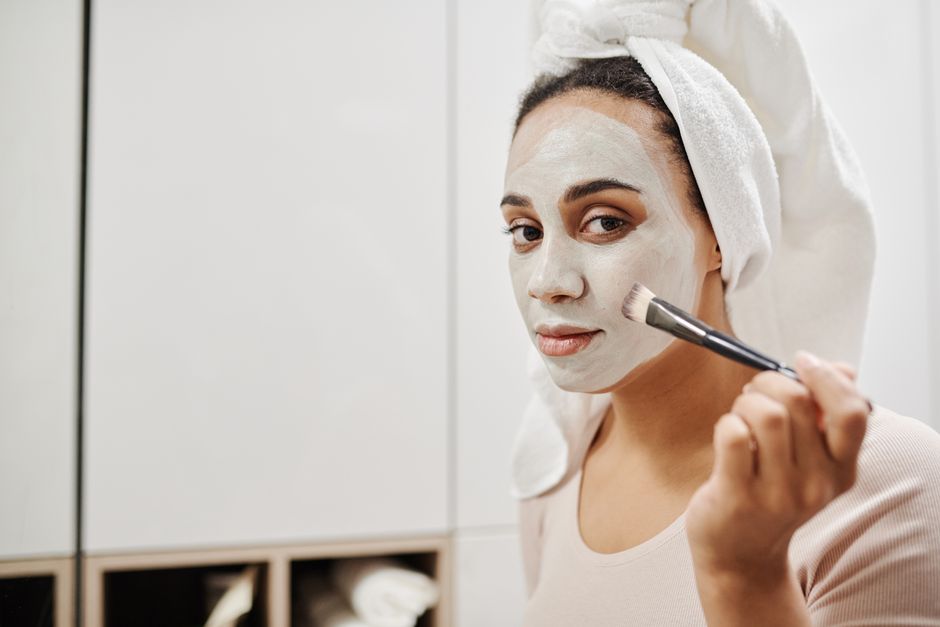
Once your foundation is on, **setting powder** is what seals the deal. This step is non-negotiable for oily skin. A finely milled translucent powder locks your foundation in place and creates a physical barrier between your skin and the environment — including your own oil production.
The best powders for oily skin are **loose translucent powders** with a matte finish. Apply them with a large fluffy brush using light, sweeping motions, or use a velour puff and press the powder into areas where you tend to get the shiniest. The pressing method — sometimes called **baking** — is especially effective on the under-eye area and along the nose.
Avoid colored setting powders unless you’re correcting tone, because they can look heavy over time. A truly translucent powder disappears into the skin and just controls oil. Reapply sparingly throughout the day if needed, but don’t layer it on — too much powder creates a chalky, cakey look.
- Use a **loose translucent powder** for the lightest finish
- Press powder into oily zones with a velour puff
- Try the **baking technique** on the T-zone and under-eyes
- Avoid heavy application — thin layers last better
- Tap off excess powder from the brush before applying
Blot Your Skin Throughout the Day
No matter how well you prep your skin, a little oil breakthrough is normal — especially in warm weather or after a long day. The key is managing it without ruining your makeup. That’s where **oil-absorbing blotting papers** come in.
Blotting papers are thin sheets, often made from rice paper or similar materials, that soak up surface oil without disturbing your foundation or powder. The technique is simple: press gently onto the skin and lift straight up. Do **not** rub or drag the paper, which will smear your makeup and irritate the skin.
Keep a small pack in your bag for midday touch-ups. After blotting, only reapply powder if the area still looks shiny — over-powdering is a common mistake that leads to a cakey buildup. A single blot is often all it takes to restore a fresh, matte look without adding any more product.
- Use blotting papers, not tissue, to avoid fiber residue
- Press and lift — never rub
- Only reapply powder **after** blotting if shine persists
- Keep blotting sheets in your purse, desk, or gym bag
- Blot every 3–4 hours for best results
Use a Setting Spray
A **setting spray** is the final step that ties your entire makeup application together. Think of it as a topcoat for your face — it seals in everything you’ve applied and helps prevent the breakdown that happens when oil and sweat work their way through your makeup throughout the day.
For oily skin, look for a setting spray that specifically mentions **oil control**, **long-wearing**, or **mattifying** on the label. Avoid hydrating or dewy setting sprays — those are designed for dry skin and will add unwanted sheen. Hold the bottle about eight to ten inches from your face and mist in an X and T pattern for even coverage.
Setting spray works even better when you use it mid-makeup, not just at the end. Try spritzing it after your foundation layer to help powders melt into the skin more naturally. Then do a final mist at the end to lock everything down. This two-step spritz method can add hours to your wear time.
- Look for **oil-control** or **mattifying** setting spray formulas
- Hold the bottle 8–10 inches from your face
- Spray in an **X and T pattern** for even coverage
- Try misting once mid-application and once at the end
- Let it air dry — don’t rub it in
Opt for Waterproof Mascara and Eyeliner
Oily skin doesn’t just affect your base makeup — it creeps up to your eye area too. The natural oils from your eyelids and the skin around your eyes can cause mascara to smudge under your lashes (hello, panda eyes) and eyeliner to fade or migrate within hours of application.
Switching to **waterproof mascara and eyeliner** is a simple fix that makes a dramatic difference. Waterproof formulas contain waxes and polymers that resist both water and oil, keeping them in place through a full day of wear. They’re especially useful in hot or humid climates where even non-oily skin types struggle with eye makeup longevity.
For liner specifically, a **gel eyeliner in a pot** applied with an angled brush tends to outlast pencil formulas on oily lids. You can also use an **eye primer** on your lids before applying any eye makeup — this creates a dry, adhesive surface that eyeshadow and liner can grip onto, reducing creasing and smudging significantly.
- Switch to **waterproof mascara** to prevent smudging under the eyes
- Use **gel or liquid liner** instead of pencil for longer wear
- Apply **eye primer** on lids before any shadow or liner
- Avoid touching or rubbing the eye area throughout the day
- Set powder eyeshadow with a light translucent powder for staying power
Use Long-Wearing Eyeshadow Formulas
Eyeshadow creasing on oily lids is a universal frustration. Even beautifully blended shadow can end up folded and faded in your crease by lunchtime if you have oily eyelids. The solution is a combination of the right formula and the right prep.
**Cream or gel-based eyeshadow formulas** tend to grip oily lids better than loose powders in many cases — but they need to be set quickly with a powder shadow on top before they fully cure. Alternatively, look for powder eyeshadows specifically marketed as **long-wear** or **24-hour**, which are usually more highly pigmented and packed with binders that resist oil and humidity.
The most important step before any eyeshadow is an **eye primer**. Apply a thin layer to your entire lid, from lash line to brow bone, and let it dry for 30 seconds. This one step can transform how long your eyeshadow lasts — it’s not optional if you have oily lids. After primer, apply shadow in thin, patted layers rather than sweeping motions for better pigment payoff and adhesion.
- Always use an **eye primer** before shadow application
- Pat eyeshadow on — don’t sweep — for better adhesion
- Set cream shadow with a matching powder shade on top
- Look for **long-wear** or **waterproof** shadow formulas
- Avoid applying shadow over bare, unprimed lids
Choose a Long-Lasting Lipstick
Lip products can be surprisingly tricky on oily skin. While oiliness is more of a facial skin issue, the oils from your skin and natural lip moisture can cause certain formulas to slip, feather, or fade faster than expected. Choosing the right lip product makes a noticeable difference.
**Matte liquid lipsticks** are the gold standard for longevity. They dry down to a transfer-resistant, smudge-proof finish that can last through meals, drinks, and hours of daily activity. Look for formulas labeled **transfer-proof** or **all-day wear**. The trade-off is that they can be drying, so keeping a thin layer of lip balm underneath (applied and blotted before lipstick) can add comfort without sacrificing hold.
Avoid **glossy or creamy lipstick formulas** if wear time is your priority. These slide off easily and tend to feather into fine lines around the lips. A **lip liner** used to outline and fill in the entire lip before lipstick application creates a base that helps the color cling and stay within bounds for longer. This simple extra step adds significant staying power to any lip color.
- Choose **matte liquid lipstick** for maximum longevity
- Apply and blot a thin layer of lip balm underneath to prevent dryness
- Use **lip liner** to fill in the entire lip before applying lipstick
- Avoid glossy, creamy, or sheer formulas if you want all-day wear
- Blot and reapply one thin layer for a more durable finish
Use a Mattifying Powder for Midday Touch-Ups
Even the most bulletproof oily-skin makeup routine needs a little midday maintenance. Keeping a **compact matte finishing powder** in your bag gives you an easy, mess-free way to refresh your look without starting over. It takes about thirty seconds and can take your makeup from midday meltdown to freshly done.
For touch-ups specifically, a **pressed powder compact** is more practical than a loose powder. It’s less messy and easier to apply accurately on the go. Focus your touch-up on the **T-zone** — forehead, nose, and chin — since these areas produce the most oil. Apply with the compact’s included puff or a small powder brush using light pressing motions.
If you’ve already blotted with an oil-absorbing sheet before powdering, you’ll need less product and get a cleaner result. The blot-first, then powder approach prevents the powdery buildup that makes skin look heavy and cakey by end of day. A strategic, light-handed touch-up is all it takes to keep your matte finish going strong.
- Keep a **pressed powder compact** in your bag for touch-ups
- Focus application on the **T-zone** where oil is heaviest
- Always blot with oil-absorbing sheets **before** reapplying powder
- Use a light hand — thin layers build better than one heavy coat
- A small **travel powder brush** gives more control than a puff
Frequently Asked Questions (FAQ)
Q: What are the best foundations for oily skin?
A: Look for **oil-free, matte-finish foundations** that are water-based or silicone-based. Formulas labeled long-wear or 24-hour tend to perform best on oily skin. Build coverage in thin layers and always set with a translucent powder to maximize wear time.
Q: How can I keep my makeup from melting off in hot weather?
A: Start with a **mattifying primer**, use an oil-free matte foundation, and finish with both a setting powder and a **mattifying setting spray**. Carry blotting papers for midday touch-ups and reapply a pressed powder lightly as needed. Layering these steps creates a much more heat-resistant finish.
Q: What ingredients should I look for in products for oily skin?
A: Prioritize ingredients like **silica**, kaolin clay, and zinc, which absorb oil and control shine throughout the day. Look for **dimethicone** in primers to smooth the skin surface without adding oil. Avoid heavy waxes, coconut oil, and other occlusive ingredients that can clog pores and increase shine.
Top Product Recommendations
| Product Name | Rating | Key Feature | Est. Price | Action |
|---|---|---|---|---|
| Top-rated mattifying primer for oily skin | ★★★★★ | Editor-recommended mattifying primer for oily skin from this guide | $18–$42 | Check Lowest Price on Amazon |
| Best-value oil free matte foundation | ★★★★☆ | Affordable oil free matte foundation — strong everyday results | $12–$28 | Check Lowest Price on Amazon |
| Premium oil absorbing blotting papers | ★★★★☆ | Higher-end oil absorbing blotting papers for visible, lasting results | $45–$95 | Check Lowest Price on Amazon |
Affiliate Disclosure: This post contains affiliate links. We may earn a commission if you buy through our links, at no extra cost to you.
Leave a Reply