Understanding Your Daily Calorie Needs
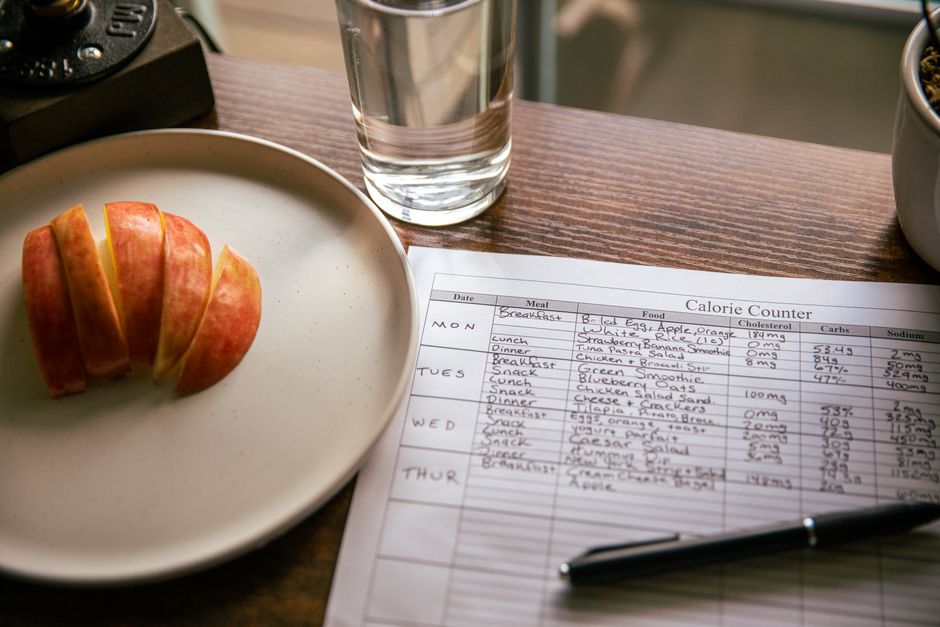
Before you can build a sustainable weight loss meal plan, you need to know how much fuel your body actually needs. A general approach is to calculate your **Basal Metabolic Rate (BMR)** using your age, weight, height, and activity level, then subtract 300 to 500 calories to create a modest deficit. This math works better than guesswork and prevents the common trap of eating too few calories, which backfires with fatigue and muscle loss. For moms who are breastfeeding, add an extra 300 to 500 calories on top of your calculated needs to protect milk supply while still losing weight at a healthy pace.
A moderate calorie deficit of 300 to 500 calories per day typically yields about a pound of weight loss per week, which is the gold standard for sustainability. Anything faster than that often leads to rebound overeating or loss of energy you cannot afford with kids to chase. Online calculators make this process simple, but if you prefer a starting point, most moderately active women in their thirties need somewhere between 1,800 and 2,200 calories daily to maintain weight. Use that as your anchor and adjust from real results, not rigid numbers.
**Key takeaways:**
- Calculate your BMR using an online calculator or basic formula
- Subtract 300 to 500 calories for a safe, sustainable deficit
- Add calories back if you are breastfeeding
- Reassess every 4 to 6 weeks as your weight changes
—
Quick pick: Compare top-rated Weight Loss options.
Finding Nutrient-Dense Foods That Actually Fill You Up
Not all calories are created equal, and this is the distinction that separates a smart meal plan from a frustrating one. **Nutrient-dense foods** deliver high amounts of vitamins, minerals, fiber, and protein per calorie, keeping you full longer on fewer calories. Think grilled chicken breast, black beans, spinach, sweet potatoes, Greek yogurt, and wild rice. These are the building blocks of a weight loss meal plan that busy moms can actually stick to week after week.
Prioritizing **whole foods** over processed options also steadies blood sugar, which controls cravings that otherwise ambush you at 3 p.m. when homework still needs reviewing. A plate built around lean protein, a colorful vegetable, and a complex carbohydrate keeps insulin levels stable and hunger at bay. Processed snacks and packaged “health” foods often hide added sugars and sodium that quietly derail progress without making you feel satisfied.
Here is a simple comparison to keep in mind:
| Food Category | Examples | Why It Helps Weight Loss |
|---|---|---|
| Lean proteins | Chicken, turkey, eggs, tofu | Builds muscle, curbs appetite |
| Non-starchy vegetables | Spinach, broccoli, peppers | Low calorie, high fiber |
| Whole grains | Brown rice, quinoa, oats | Sustained energy, stable blood sugar |
| Healthy fats | Avocado, olive oil, almonds | Keeps you full between meals |
| Fruits | Berries, apples, citrus | Natural sweetness curbs sugar cravings |
—
Meal Planning and Prep Tips That Save Hours
Meal prep is the single most powerful habit separating moms who lose weight consistently from those who feel too busy to eat well. The fix does not require a culinary degree. Spend 60 to 90 minutes on a Sunday afternoon planning and batch-cooking several components you can mix and match throughout the week. Roasted chicken, a big pot of brown rice, steamed broccoli, and a homemade dressing take you from blank fridge to five different meals without starting from scratch each evening.
Invest in a set of ** BPA-free meal prep containers** in two or three sizes. Portioning out proteins, grains, and vegetables into ready-to-grab containers eliminates decision fatigue during the rush of weekday mornings and late afternoons. Label containers with the day of the week so nothing gets forgotten in the back of the fridge. This one habit transforms your relationship with food by removing impulsive, high-calorie takeout orders made out of pure hunger and exhaustion.
Time-saving tools worth using include a **slow cooker or Instant Pot**, a decent chef’s knife, and a cutting board with sections. Recipes like chicken burrito bowls, turkey stir-fry over rice, and overnight oats prep themselves while you handle pickups, conference calls, or bath time. The goal is building a system, not finding the perfect recipe every single day.
—
Eating Well on a Realistic Budget
Healthy eating does not have to break the bank, and some of the cheapest pantry staples are also the most nutritious. **Dry beans, lentils, oats, eggs, and frozen vegetables** provide exceptional nutrition per dollar and form the foundation of an affordable weight loss meal plan. Buying dried beans and cooking them in an Instant Pot costs a fraction of canned varieties and cuts down on sodium.
Strategic shopping habits compound into real savings over a month. Buy seasonal produce, which is cheaper and fresher, and purchase store brands instead of name labels. **Shopping the perimeter of the grocery store** keeps you in whole foods and away from the calorie-dense, nutrient-poor items strategically placed in middle aisles. When proteins like chicken breast go on sale, buy extra and freeze portions for future weeks.
Batch cooking protein sources like ground turkey or chicken thighs in bulk, then portioning into containers, stretches your grocery budget while simplifying weeknight dinners. A roast chicken costs under ten dollars and yields multiple meals for a family. Leftovers become lunch the next day, which means one less vending-machine run and one more step toward your weight loss goals.
—
Meal Timing and Frequency for Sustained Energy
When you eat matters nearly as much as what you eat. Distributing calories across **four to five smaller meals** spaced three to four hours apart keeps blood sugar stable and prevents the energy crashes that lead to overeating at the next meal. This does not mean snacking constantly, but it does mean intentional, planned eating windows that work with your schedule rather than against it.
Many busy moms find success with three main meals and two small snacks, with the largest caloric intake in the morning and midday when energy demands are highest. Eating a substantial breakfast and lunch, then keeping dinner lighter, aligns well with natural metabolic rhythms. Late-night eating after kids are in bed is one of the most common habits that silently sabotages weight loss progress, so closing the kitchen by 7 or 8 p.m. is a simple boundary worth setting.
If your schedule is chaotic, a **portable meal prep container** with a balanced mix of protein, carbs, and fats can serve as both lunch and an afternoon snack when eaten in two sittings. Consistency in your eating window matters more than rigid timing, so choose a pattern you can realistically maintain even on irregular days.
—
Staying Hydrated for Better Weight Loss Results
Water is frequently overlooked as a weight loss tool, yet dehydration directly impairs fat metabolism and increases feelings of hunger that masquerade as appetite. Drinking a full glass of water before each meal naturally reduces how much you eat, and replacing sugary beverages like soda, sweet coffee drinks, and juice with water or sparkling water cuts hundreds of empty calories daily. This single swap is one of the easiest changes a busy mom can make with zero extra time investment.
Aim for at least eight glasses of water per day, more if you are breastfeeding, exercising, or spending time in hot climates. If plain water feels boring, add slices of lemon, cucumber, or fresh mint for natural flavor without calories. **Unsweetened sparkling water** and herbal tea count toward your hydration goals and provide variety when water-only feels monotonous.
Watch out for liquid calories that sneak in disguised as health products. Flavored vitamin waters, sports drinks marketed for energy, and blended coffee beverages can contain 300 to 500 calories each without making you feel full. Read labels and choose options with zero added sugar, or stick with plain water, black coffee, or unsweetened tea as your default beverages throughout the day.
—
Making Healthy Choices When Eating Out or Socializing
Social eating and restaurant meals do not have to sabotage your progress if you approach them with a simple strategy. Before looking at the menu, decide what kind of meal you want: a lean protein with vegetables, or a lighter option that lets you enjoy a small treat without guilt. Scanning the menu in advance or checking nutrition information online before arriving removes the pressure of making decisions in the moment.
Practical strategies include ordering dressings and sauces on the side, choosing grilled or baked items instead of fried, swapping fries for a side salad or steamed vegetable, and stopping eating when you feel satisfied rather than when the plate is empty. Restaurant portions in America are typically two to three times a proper serving size, so **requesting a half-portion, splitting an entree, or boxing half of your meal before you start eating** are all proven techniques for managing intake without isolation.
At social gatherings, focus on the conversation and connection rather than the buffet. Fill your plate once with a balanced selection, sip water between alcoholic drinks, and give yourself permission to enjoy special occasions without treating them as failures. One meal or one party does not erase weeks of consistent healthy eating. What matters is returning to your routine the next day rather than spiraling into an all-or-nothing mindset.
—
Frequently Asked Questions (FAQ)
What is a reasonable calorie deficit for sustainable weight loss?
A moderate calorie deficit of 300 to 500 calories per day is generally recommended for sustainable weight loss. This typically produces about one pound of weight loss per week, which is easier to maintain than faster rates and reduces the risk of muscle loss, fatigue, and nutrient deficiencies. Always recalculate your needs every few weeks as your weight changes.
How can I make sure I am getting enough nutrients while eating fewer calories?
Focus on building meals around **nutrient-dense whole foods** like lean proteins, colorful vegetables, whole grains, and healthy fats. These foods deliver the most nutrition per calorie and keep you satisfied longer. If you are concerned about gaps, a daily multivitamin can help, but food-first is always the better strategy for long-term health.
What are some easy meal prep ideas for moms with tight schedules?
Batch-cook proteins like chicken breast or ground turkey on Sunday, roast a large sheet pan of vegetables, prepare a pot of quinoa or brown rice, and portion everything into **meal prep containers** for grab-and-go meals throughout the week. Overnight oats, mason jar salads, and slow cooker recipes also require minimal hands-on time while delivering balanced, satisfying meals that support your weight loss goals.
Can I still lose weight if my schedule is completely unpredictable?
Yes. Even with a chaotic schedule, focus on **three non-negotiable habits**: always having a healthy option available in a portable container, drinking water instead of sugary drinks, and eating a balanced meal or snack within two hours of waking up. These simple anchors prevent the worst choices even when meal planning feels impossible. Adjust portion sizes and snack timing to match whatever your day looks like rather than abandoning your plan entirely.
Top Product Recommendations
| Product Name | Rating | Key Feature | Est. Price | Action |
|---|---|---|---|---|
| Top-rated meal prep containers BPA-free | ★★★★★ | Editor-recommended meal prep containers BPA-free from this guide | $18–$42 | Check Lowest Price on Amazon |
| Best-value food scale for portion control | ★★★★☆ | Affordable food scale for portion control — strong everyday results | $12–$28 | Check Lowest Price on Amazon |
| Premium Instant Pot slow cooker | ★★★★☆ | Higher-end Instant Pot slow cooker for visible, lasting results | $45–$95 | Check Lowest Price on Amazon |
Affiliate Disclosure: This post contains affiliate links. We may earn a commission if you buy through our links, at no extra cost to you. Medical Disclaimer: This content is for informational purposes only and is not medical advice. Consult a healthcare professional before changing diet or exercise.
Leave a Reply