
Sustainable Weight Loss Meal Plan for Busy Moms
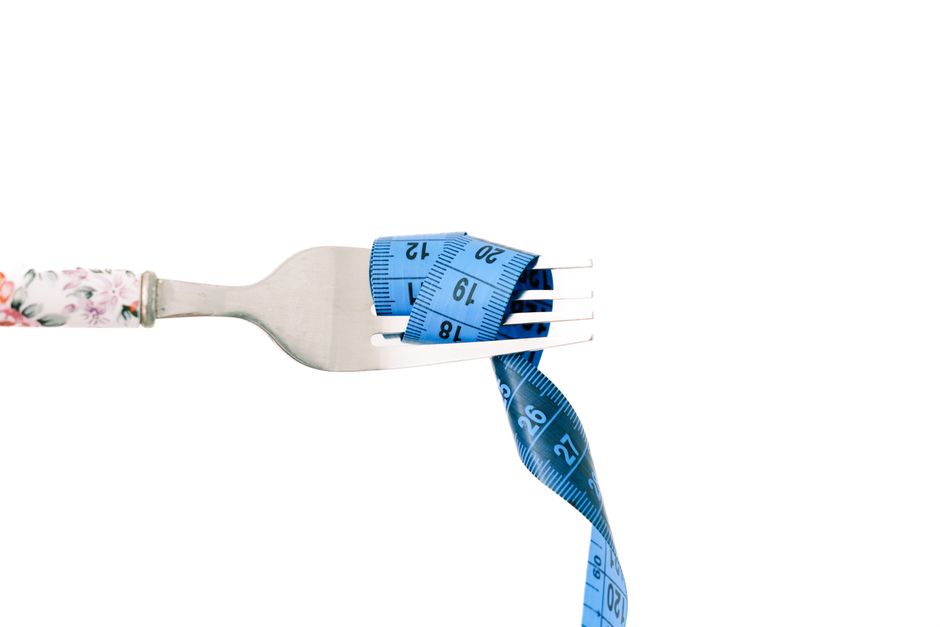
Juggling kids, work, and household responsibilities leaves little time for elaborate meal prep. Yet sustainable weight loss depends on consistent, nutritious eating patterns that fit your real life. A practical meal plan focuses on **simple recipes** you can batch-cook on Sunday and reheat throughout the week.
Start with **protein-packed breakfasts** like overnight oats with Greek yogurt and berries, or egg muffins baked in advance. These options take minutes to grab and keep you full until lunch. For lunch and dinner, build meals around lean proteins, colorful vegetables, and whole grains that satisfy without weighing you down.
Time-saving strategies make the difference between success and burnout. Chop vegetables once and store them in portioned containers. Cook a large batch of grilled chicken, roasted salmon, or turkey chili that becomes the base for multiple meals. Use a slow cooker or Instant Pot to prepare soups, stews, and casseroles while you handle other tasks.
**Sheet pan dinners** are lifesavers for busy evenings. Toss chicken breasts or tofu with broccoli, bell peppers, and sweet potatoes, drizzle with olive oil, and roast everything together. You’ll have a complete meal with minimal cleanup. Keep frozen vegetables and pre-cooked grains on hand for nights when fresh prep isn’t possible.
Easy recipes don’t mean boring food. Season proteins with herbs and spices instead of heavy sauces. Try a **turkey and vegetable stir-fry** over cauliflower rice, or a Mediterranean-inspired bowl with chickpeas, cucumber, tomatoes, and hummus. These meals deliver nutrition and flavor without demanding hours in the kitchen.
Quick pick: Compare top-rated Weight Loss options.
Balancing Nutrition and Flavor in Weight Loss Meals
Weight loss meals succeed when they taste good enough to eat consistently. **Nutrient-dense ingredients** like leafy greens, quinoa, salmon, and legumes provide vitamins, minerals, and fiber that support your metabolism and keep hunger at bay. These foods offer more nutritional value per calorie than processed options.
Flavor comes from smart seasoning, not excess calories. Stock your pantry with garlic powder, cumin, paprika, oregano, and lemon juice to transform simple proteins and vegetables into satisfying dishes. Fresh herbs like cilantro, basil, and parsley add brightness without sodium or sugar.
Simple ingredient swaps upgrade your favorite meals without sacrifice. Replace sour cream with Greek yogurt in tacos and baked potatoes. Use spiralized zucchini or spaghetti squash instead of traditional pasta. Swap white rice for **cauliflower rice** or quinoa to increase fiber and reduce refined carbs.
Healthy fats from avocados, nuts, seeds, and olive oil make meals more satisfying and help your body absorb fat-soluble vitamins. A tablespoon of almond butter in your morning smoothie or sliced avocado on your lunch salad keeps you full longer. These fats support hormone production and brain function while contributing to weight management.
Balanced plates include a palm-sized portion of protein, two servings of vegetables, a fist-sized portion of complex carbs, and a thumb-sized amount of healthy fat. This visual guide simplifies portion control without obsessive measuring. Your meals stay interesting when you rotate different proteins, vegetables, and seasonings throughout the week.
Incorporating Movement into Busy Mom’s Routine

Exercise doesn’t require a gym membership or hour-long sessions. **Home workouts** using bodyweight exercises like squats, lunges, push-ups, and planks build strength and burn calories in 20-30 minutes. YouTube offers thousands of free workout videos designed for small spaces and minimal equipment.
Time-efficient routines focus on compound movements that work multiple muscle groups simultaneously. Burpees, mountain climbers, and squat jumps elevate your heart rate quickly. High-intensity interval training (HIIT) alternates short bursts of intense effort with brief rest periods, delivering maximum results in minimal time.
Consistency matters more than intensity. A 15-minute morning walk before the kids wake up, a lunchtime yoga session, or an evening dance party with your children all contribute to your weekly activity goals. Movement doesn’t always look like traditional exercise—gardening, cleaning, and playing actively with kids count toward your daily total.
**Accountability systems** help you stay on track when motivation fades. Join an online fitness community, work out with a neighbor, or schedule exercise on your calendar like any other appointment. Track your workouts in a journal or app to visualize your progress over weeks and months.
Find activities you genuinely enjoy so exercise feels less like a chore. Try different options—swimming, cycling, hiking, martial arts, or group fitness classes—until you discover what excites you. When movement brings joy rather than dread, you’ll stick with it long-term and reap the weight loss benefits.
Prioritizing Sleep for Optimal Weight Loss
Sleep directly impacts weight management through hormone regulation. When you’re sleep-deprived, **ghrelin levels** (the hunger hormone) rise while leptin (the fullness hormone) drops, making you crave high-calorie foods. Adults need 7-9 hours of quality sleep nightly to support healthy metabolism and appetite control.
Poor sleep disrupts insulin sensitivity, making it harder for your body to process carbohydrates efficiently. This can lead to increased fat storage, especially around the midsection. Chronic sleep deprivation also elevates cortisol, a stress hormone that promotes weight gain and makes losing pounds more difficult.
Improving sleep quality starts with consistent bedtime routines. Set a regular sleep schedule, even on weekends, to regulate your body’s internal clock. Create a cool, dark, quiet bedroom environment that signals your brain it’s time to rest. Invest in blackout curtains, a comfortable mattress, and breathable bedding.
**Wind-down rituals** prepare your mind and body for sleep. Turn off screens 30-60 minutes before bed, as blue light suppresses melatonin production. Try gentle stretching, reading, journaling, or meditation instead. A warm bath or shower raises your body temperature temporarily; the subsequent drop signals sleepiness.
Limit caffeine after 2 PM and avoid large meals within three hours of bedtime. If nighttime hunger strikes, choose a small protein-rich snack like a handful of almonds or a few bites of Greek yogurt. These options won’t spike blood sugar or interfere with sleep quality like sugary treats would.
Developing a Positive Mindset for Weight Loss Success
Negative self-talk sabotages weight loss efforts before they begin. Replace thoughts like “I have no willpower” with **empowering affirmations** such as “I’m building healthy habits one choice at a time.” Your internal dialogue shapes your actions, so cultivate compassion toward yourself during setbacks.
A growth mindset views challenges as learning opportunities rather than failures. When you overeat at a party or skip a workout, acknowledge it without judgment and return to your plan at the next meal or the following day. Perfection isn’t the goal—consistent effort over time creates lasting change.
Celebrate non-scale victories that reflect your progress. Notice when your clothes fit better, you have more energy, you sleep more soundly, or you can climb stairs without breathlessness. These improvements often appear before the number on the scale budges, and they’re equally important markers of better health.
**Accountability partners** provide encouragement and perspective when your motivation wanes. Share your goals with a trusted friend, join a weight loss support group, or work with a health coach. Regular check-ins keep you honest and remind you that setbacks are normal parts of the journey.
Visualize your success regularly. Imagine yourself at your goal weight, engaging in activities you love, wearing clothes that make you feel confident. This mental rehearsal strengthens your commitment and helps you make daily choices aligned with your long-term vision. Progress happens through accumulated small decisions, not dramatic overhauls.
Staying Hydrated for Better Weight Management
Water supports weight loss through multiple mechanisms. Drinking water before meals can reduce calorie intake by promoting fullness. **Adequate hydration** boosts metabolism slightly, helps your kidneys flush waste products, and prevents water retention that causes bloating. Many people mistake thirst for hunger, leading to unnecessary snacking.
Aim for at least 64 ounces of water daily, more if you exercise intensely or live in a hot climate. Start your morning with a full glass of water to rehydrate after sleep. Keep a reusable water bottle with you throughout the day as a visual reminder to sip regularly.
Increase your water intake gradually if you’re not currently drinking much. Set hourly reminders on your phone or drink a glass before each meal and snack. Eat water-rich foods like cucumbers, watermelon, strawberries, and leafy greens to supplement your fluid intake through whole foods.
**Infused waters** add flavor without calories or artificial sweeteners. Try combinations like cucumber-mint, lemon-ginger, strawberry-basil, or orange-blueberry. Prepare a pitcher the night before so flavors meld, and you have a refreshing beverage ready the next day. Herbal teas (served hot or iced) also count toward your daily fluid goals.
Monitor your hydration status by checking urine color—pale yellow indicates good hydration, while dark yellow suggests you need more fluids. Headaches, fatigue, and dry skin can also signal dehydration. Proper hydration supports every body system and makes achieving your weight loss goals easier.
Managing Stress for a Healthier Weight Loss Journey
Chronic stress triggers cortisol release, which increases appetite and promotes fat storage, particularly around the abdomen. When you’re stressed, you’re more likely to reach for **comfort foods** high in sugar and fat. Understanding this biological response helps you develop healthier coping strategies instead of emotional eating.
Effective stress management techniques include deep breathing exercises, progressive muscle relaxation, and short meditation sessions. Even five minutes of focused breathing—inhaling for four counts, holding for four, exhaling for four—can activate your parasympathetic nervous system and reduce cortisol levels. These tools work anywhere, anytime you feel overwhelmed.
Physical activity doubles as stress relief and weight loss support. A brisk walk, yoga session, or dance break releases endorphins that improve mood and counteract stress hormones. Regular exercise also improves sleep quality, creating a positive cycle that supports both mental health and weight management.
**Mindfulness practices** help you stay present rather than ruminating about the past or worrying about the future. Try body scan meditations, mindful eating (focusing on taste, texture, and satisfaction), or simply pausing throughout the day to notice your thoughts and feelings without judgment. These practices reduce stress-driven eating.
Set boundaries to protect your time and energy. Learn to say no to commitments that don’t align with your priorities. Delegate tasks when possible, ask for help from family members, and let go of perfectionism. Creating margin in your schedule reduces stress and gives you space to care for yourself through healthy eating and movement.
Frequently Asked Questions (FAQ)
Q: What is the best time to eat meals for weight loss?
A: The best meal timing depends on your schedule and hunger patterns. Most research suggests eating breakfast within an hour of waking supports stable blood sugar and reduces later-day cravings. Space meals 3-4 hours apart to maintain steady energy. Avoid eating within 2-3 hours of bedtime, as late-night meals can disrupt sleep and digestion. Listen to your body’s true hunger signals rather than eating by the clock alone.
Q: How can busy moms find time to exercise and prepare healthy meals?
A: Prioritize self-care by scheduling it like any other important appointment. Wake up 30 minutes earlier for movement or meal prep, or use naptime and after-bedtime hours strategically. Involve your kids in age-appropriate cooking tasks and active play. Batch-cook on weekends, use time-saving kitchen tools like slow cookers, and simplify workouts to 15-20 minute sessions. Remember that small, consistent efforts accumulate into significant results over time.
Q: Is it possible to lose weight without giving up favorite foods?
A: Yes, sustainable weight loss includes room for foods you love. Practice the 80/20 rule—eat nutritious, whole foods 80% of the time and enjoy treats 20% of the time. Make healthier versions of favorite recipes by adjusting ingredients and cooking methods. When you indulge, do so mindfully and without guilt, savoring each bite. Restriction often leads to bingeing, while flexible moderation creates lasting habits you can maintain for life.
Q: How much water should I drink daily for weight loss?
A: Aim for at least 64 ounces (eight 8-ounce glasses) of water daily as a baseline. Increase intake if you exercise, live in hot climates, or are breastfeeding. Drink a glass before meals to promote fullness and support metabolism. Your individual needs vary based on activity level, body size, and overall health. Monitor urine color and thirst as personal hydration indicators rather than following rigid rules.
Top Product Recommendations
| Product Name | Rating | Key Feature | Est. Price | Action |
|---|---|---|---|---|
| Top-rated meal prep containers with lids | ★★★★★ | Editor-recommended meal prep containers with lids from this guide | $18–$42 | Check Lowest Price on Amazon |
| Best-value food storage containers glass | ★★★★☆ | Affordable food storage containers glass — strong everyday results | $12–$28 | Check Lowest Price on Amazon |
| Premium slow cooker programmable | ★★★★☆ | Higher-end slow cooker programmable for visible, lasting results | $45–$95 | Check Lowest Price on Amazon |
Affiliate Disclosure: This post contains affiliate links. We may earn a commission if you buy through our links, at no extra cost to you. Medical Disclaimer: This content is for informational purposes only and is not medical advice. Consult a healthcare professional before changing diet or exercise.
Leave a Reply