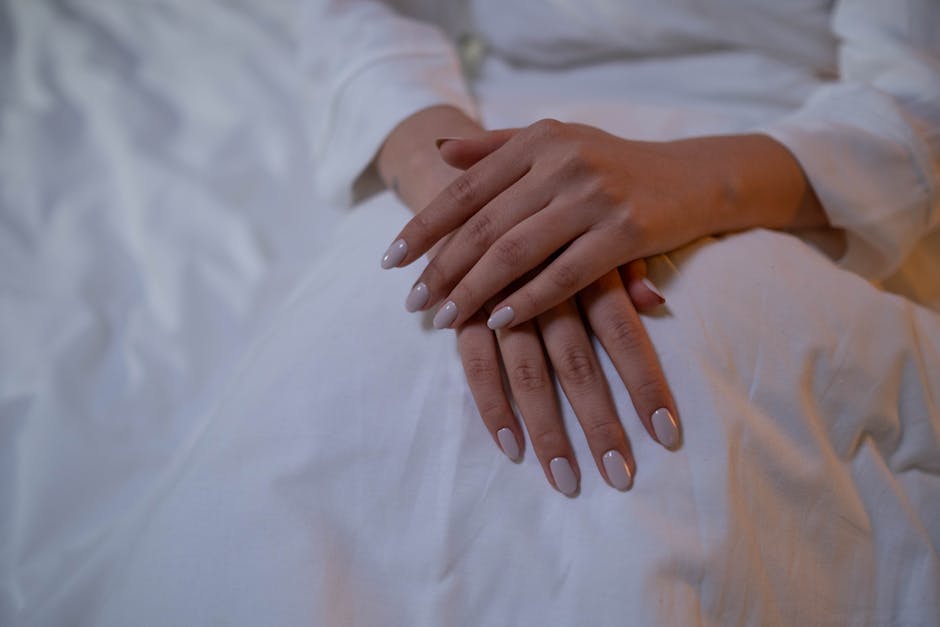
Nail Prep & Cuticle Care
Creating salon-quality nails at home starts with proper preparation, and this foundation determines how professional your final results will look. Begin by removing any existing polish completely using an acetone-based remover, which cuts through stuborn lacquer more effectively than acetone-free alternatives. Soak a cotton pad with remover and press it against each nail for ten seconds before wiping away the polish in smooth strokes from cuticle to tip.
Once your nails are clean, focus on cuticle care to create that polished, professional appearance. Soak your fingertips in warm, soapy water for three to five minutes to soften the cuticle area. Use a cuticle pusher or orange stick to gently push back the cuticles, revealing more of your nail bed for a longer, more elegant look. Trim any excess cuticle skin with sharp cuticle nippers, but be conservative – removing too much can lead to infection or painful hangnails.
Nail shaping comes next and significantly impacts how your color application will look. File your nails in one direction only, moving from the outer edge toward the center to prevent splitting and weakening. Choose a shape that complements your finger length and lifestyle – oval and round shapes work well for shorter fingers and active lifestyles, while square and coffin shapes create dramatic length. Keep your nails at a practical length that allows for daily activities while still looking polished and intentional.
Base Coat Application
A quality base coat serves as the foundation for long-lasting, chip-resistant nails, yet many people skip this crucial step in their rush to apply color. Baseats create a smooth surface that helps polish adhere better while protecting your natural nails from staining, especially important when using darker or highly pigmented colors. Look for base coats that address your specific nail concerns – strengthening formulas for weak nails, ridge-filling options for uneven surfaces, or quick-dry versions when you’re short on time.
Apply base coat in thin, even layers using the same technique you’ll use for your color polish. Start with a stroke down the center of your nail, then ad strokes on each side, ensuring you reach from cuticle to tip without flooding the cuticle area. The key to professional-looking results lies in keeping each coat thin rather than trying to build coverage with one thick application, which leads to bubling and uneven texture.
Allow your base coat to dry completely before moving to the next step – rushing this process compromises the entire manicure. Most base coats need two to three minutes to set properly, though quick-dry formulas may be ready soner. Test dryness by gently tapping your nails together; they should feel smooth and non-tacky. This patience during the base coat stage prevents dragging and streaking when you apply your color, ensuring each subsequent layer goes on smoothly and evenly.
Color Application
Selecting the perfect nail color involves considering your skin tone, lifestyle, and the occasion, but the application technique matters just as much as your color choice. Before opening your polish bottle, roll it between your palms rather than shaking it – shaking creates air bubbles that transfer to your nails and create an uneven finish. Choose colors that complement your undertones: cooler shades like blues and purples work well with pink undertones, while warmer corals and oranges flatter yellow undertones.
Apply color polish using the three-stroke method that professional manicurists rely on for even coverage. Load your brush with enough polish to cover the nail but not so much that it drips or floods the cuticle area. Place the brush slightly away from your cuticle, push it gently toward the cuticle without touching the skin, then draw it smoothly toward the tip. Ad one stroke on each side of the nail to ensure complete coverage, maintaining steady pressure throughout each stroke.
Build color intensity gradually with multiple thin coats rather than attempting full opacity in one thick application. Most polishes require two to three thin coats for optimal color payoff and longevity. Allow each coat to dry for at least two minutes before applying the next layer – this prevents the brush from dragging through the previous coat and creating streaks or bald spots. If you notice streaks or uneven areas, resist the urge to go back over them immediately; instead, let the coat dry completely and address any imperfections with your next layer.
Top Coat Application
Top coat application transforms your manicure from amateur to professional, providing the glossy finish and extended wear that separates salon-quality results from basic at-home attempts. A quality top coat seals your color, adds brilliant shine, and creates a protective barrier against chips and everyday wear. Choose between traditional top coats that provide maximum shine and longevity, or quick-dry formulas that cut drying time significantly while still offering good protection.
Apply top coat using the same careful technique as your color polish, ensuring you seal the free edge of each nail by running the brush along the tip. This edge-sealing technique prevents water and daily activities from lifting your polish and causing premature chipping. Use smooth, confident strokes and avoid going over the same area multiple times, which can cause the underlying color to drag or streak.
Quick-dry top coats offer convenience for busy schedules, setting to a non-tacky finish in under a minute while still providing good wear and shine. However, traditional top coats often offer superior longevity and mirror-like shine if you have the time to let them cure properly. Regardless of which type you choose, avoid thick application – thin, even coats provide better results and dry more quickly than heavy applications that may remain soft and prone to denting for hours.
Nail Art & Designs
Creating beautiful nail art at home doesn’t require professional training or expensive equipment – simple techniques and basic tools can produce stunning results that rival salon work. Start with easy designs like accent nails, where you apply a different color or simple pattern to just one or two nails per hand. French tips remain timelessly elegant and surprisingly achievable with steady hands and the right technique, using either traditional white tips or modern colored variations.
Doting tools, striping brushes, and even household items like tothpicks or bobby pins can create intricate-looking designs with minimal skill required. Polka dots, stripes, and geometric patterns offer endless possibilities for customization while remaining beginner-friendly. Practice your designs on a nail wheel or even paper before attempting them on your actual nails – this builds confidence and helps you refine your technique without wasting polish or time.
Color coordination elevates simple nail art from amateur to sophisticated, so choose complementary shades that work harmoniously together. Monochromatic schemes using different shades of the same color create elegant, cohesive looks, while contrasting colors can make bold statements when used thoughtfully. Consider the color wheel when planning designs – colors opposite each other create vibrant contrast, while adjacent colors blend beautifully for subtle, sophisticated effects.
Gel & Dip Nail Alternatives
Gel nail systems offer salon-quality durability and shine that lasts two to three weeks without chipping, making them increasingly popular for at-home use. These systems require UV or LED lamps for curing but provide superior longevity compared to traditional polish. Gel polishes go on like regular polish but cure to a hard, glossy finish that resists chips and maintains shine throughout wear. The removal process requires soaking in acetone, but the extended wear time often makes this worthwhile for busy lifestyles.
Dip powder systems create incrediblydurable nails through a process of applying base coat, dipping nails into colored powder, and sealing with activator and top coat. This method produces thicker, stronger nails that can last three to four weeks with proper application. Dip systems work particularly well for people with weak or britle natural nails, as the powder adds significant strength and thickness. The application process takes longer than traditional polish but requires nodrying time between steps.
Both gel and dip systems have distinct advantages and considerations. Gel systems offer more color variety and easier application for beginners, while dip systems provide superior strength and longevity. Gel requires UV light exposure during curing, which some people prefer to avoid, while dip systems use only chemical activators. Consider your lifestyle, nail health, and time availability when choosing between these alternatives – both can produce professional results with practice and proper technique.
Nail Maintenance & Repair
Maintaining healthy, strong nails requires consistent daily habits that protect and nourish your nail beds and surrounding skin. Keep your nails moisturized by applying cuticle oil or hand cream regularly, paying special attention to the cuticle area where dryness can lead to hangnails and infection. Wear gloves when cleaning, gardening, or doing dishes to protect your nails from harsh chemicals and excessive moisture that can weaken the nail structure.
Address nail damage promptly to prevent minor issues from becoming major problems. Small chips can be temporarily repaired with a thin layer of base coat followed by color touch-up, while more significant breaks may require nail glue or professional repair. Keep your nails at a consistent, manageable length to reduce the risk of breaks and snags, and file any rough edges immediately to prevent further damage.
Common nail problems like ridges, brittleness, and discoloration often respond well to targeted treatments and improved nail care habits. Vertical ridges typically indicate aging or genetics and can be minimized with ridge-filling base coats, while horizontal ridges may signal nutritional deficiencies or illness requiring medical attention. Britle nails benefit from strengthening treatments and reduced exposure to water and chemicals, while yellowing often results from polish staining and improves with regular base coat use and occasional polish breaks.
Frequently Asked Questions (FAQ)
What are the best practices for keeping my nails clean and healthy?
Maintain nail health by keeping them clean and dry, moisturizing cuticles daily, and wearing gloves during household chores. Trim nails regularly using sharp, clean tools, and always file in one direction to prevent splitting. Avoid using your nails as tools for opening packages or scratching, as this can cause breaks and damage. Eat a balanced diet rich in biotin, protein, and vitamins to support nail growth from within, and stay hydrated to maintain nail flexibility.
How often should I change my nail polish to avoid damage?
Change regular nail polish every 5-7 days to maintain a fresh appearance, while gel and dip systems can last 2-4 weeks depending on your lifestyle and nail growth. Give your nails a break from polish occasionally – aim for one week polish-free every month to allow nails to breathe and recover. During polish-free periods, focus on moisturizing and strengthening treatments to maintain nail health. If you notice yellowing, thinning, or increased brittleness, extend your polish-free periods and consult a dermatologist if problems persist.
What are some tips for making my nail polish last longer without chipping?
Extend polish wear by properly preparing your nails with dehydrator or rubing alcohol before base coat application, which removes oils that prevent adhesion. Apply thin coats of base coat, color, and top coat, allowing each layer to dry completely before proceding. Seal the free edge of each nail with every coat to prevent water infiltration and lifting. Wear gloves during household tasks, avoid hot water when possible, and apply cuticle oil around the nail bed rather than on the polish surface to maintain flexibility without compromising the finish.
Explore more nails guides on our site.
Top Product Recommendations
| Product Name | Rating | Key Feature | Est. Price | Action |
|---|---|---|---|---|
| Best Nails Pick | ★★★★★ | Top-rated overall | $25–$45 | Check Lowest Price on Amazon |
| Budget Nails Option | ★★★★☆ | Great for beginners | $12–$28 | Check Lowest Price on Amazon |
| Premium Nails Choice | ★★★★☆ | Pro-level results | $50–$90 | Check Lowest Price on Amazon |
Affiliate Disclosure: This post contains affiliate links. We may earn a commission if you buy through our links, at no extra cost to you.
Leave a Reply