Your Ultimate Guide to Face-Beating Mastery: Prepping and Skincare
Every flawless makeup look starts long before you open your palette. The secret to professional-level face-beating isn’t just technique — it’s how you prep your skin beforehand. A smooth, hydrated canvas makes all the difference between makeup that sits on top of your skin and makeup that looks like it belongs there. Before applying any products, always begin with a clean face. Gently cleanse your skin to remove oils, dead cells, and any residue from the previous day.
Next, apply a lightweight moisturizer suited to your skin type. If you have dry skin, look for creams with hyaluronic acid or ceramides that lock in hydration. Oily or combination skin benefits from gel-based formulas that hydrate without adding heaviness. Give your moisturizer about five minutes to fully absorb before moving on. This waiting period isn’t just a pause — it’s an essential step that prevents your foundation from sliding or patchiness later in your glam session.
For those with specific skin concerns, targeted serums work wonders as a prep layer. A pore-minimizing primer applied only to areas that tend to get shiny can extend your makeup wear significantly. Consider using a dedicated eye cream for the delicate under-eye area, allowing it to sink in completely before concealer application. The goal is to create a slightly tacky, smooth surface — not greasy — that gives your foundation something to grip onto throughout the day.
Don’t skip the lips, either. A thin layer of hydrating lip balm during your face-beating process means your lips are perfectly prepped and ready for color by the time you reach that step. The best makeup artists in the industry will tell you that skincare prep is fifty percent of the final look, and that number isn’t an exaggeration.
Base and Concealer: Building Your Flawless Foundation
Foundation is the heart of any full-glam application, and getting this step right sets the tone for everything that follows. When selecting a foundation shade, test the product along your jawline in natural light. The shade that disappears into your skin without looking lighter or darker is your match. Always test on clean skin, never on top of other products, as this skews the color reading dramatically. Consider your skin’s undertones — cool tones suit pink or blue hints, warm tones lean toward yellow or golden, and neutral tones blend both.
Application technique matters just as much as the product itself. For a natural, skin-like finish, use a damp makeup sponge to stipple foundation onto your skin using light bouncing motions. This technique presses product into pores rather than sitting on top of them, creating that coveted airbrushed look. Build coverage gradually — it’s far easier to add another layer than to remove excess product and start over. Focus application on the center of your face where redness typically concentrates, then blend outward.
Concealer is your secret weapon for brightening and covering. For the under-eye area, select a concealer one to two shades lighter than your foundation. The inverted triangle technique — drawing an inverted triangle under each eye — not only covers dark circles but also lifts and highlights the entire eye area simultaneously. Use your ring finger or a small fluffy brush to gently blend concealer in tapping motions. Set concealer immediately with a loose translucent powder to prevent creasing and extend wear time throughout the day.
Eyes: Techniques for Stunning Eye Makeup
The eyes are where your personality shines through in any makeup look. Starting with an eyeshadow primer creates a smooth base that prevents creasing and helps colors appear more vibrant and true to pan. Apply a transition shade slightly above your crease using a fluffy blending brush with windshield-wiper motions. This creates depth and makes the darker shades in your crease blend seamlessly without muddy patches.
For eyeshadow application as a beginner, use the patting technique rather than sweeping motions. Tap your brush directly onto the lid and gently press color into place. This method deposits pigment more densely and gives you better control, especially with shimmer or metallic shades that tend to have fallout when swept across the lid. Build color intensity gradually, mixing lighter shades into your crease for a seamless gradient effect.
Winged eyeliner can feel intimidating, but the trick is to take it slow. Start by drawing a thin line along your upper lash line, keeping the line closest to your nose slightly thicker than the outer edge. For the wing, draw a small diagonal line upward from your outer corner, then connect it back to your lash line to form a triangle. Fill in the shape, then go back and sharpen your line. If you prefer more control, try a felt-tip liquid pen rather than a traditional brush dipped in liquid.
False lashes elevate any eye look from everyday to show-stopping. When applying, place a thin line of adhesive along the lash band and wait about thirty seconds until it becomes tacky — this prevents slippage and ensures the lashes stay put. Using tweezers or a dedicated lash applicator, position the strip as close to your natural lash line as possible. Press down firmly along the entire band, starting from the outer corner and working inward. Once set, curl your natural lashes with the falsies to blend them together for a seamless, natural finish.
Brows: Shaping and Defining Your Frame
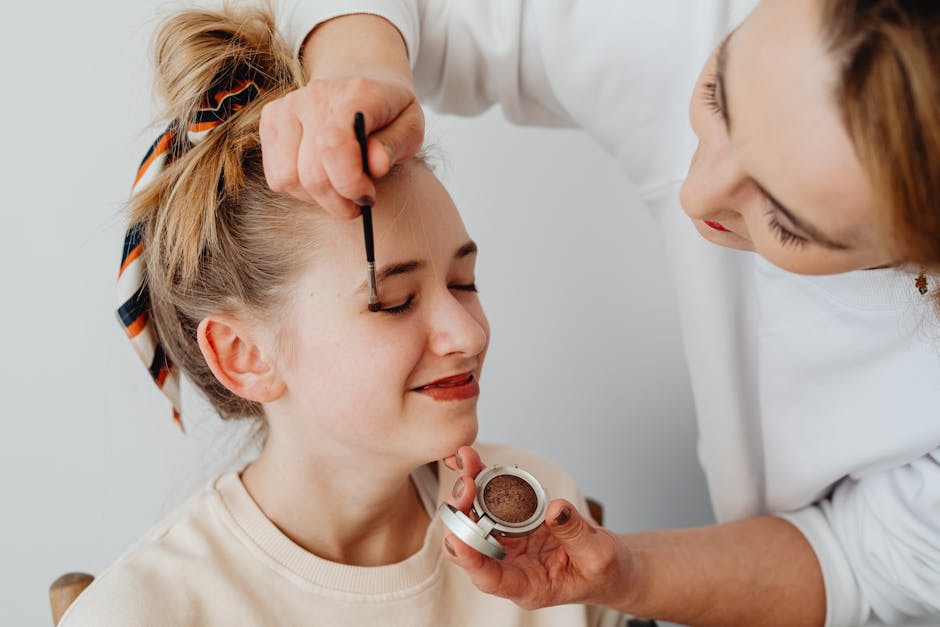
Your brows frame your face and anchor your entire makeup look. The key to natural-looking brows is understanding your face shape and working with your natural growth pattern rather than fighting against it. Begin by brushing your brows upward with a spooley brush to reveal their true shape and any sparse areas that need filling. Use short, hair-like strokes with a pencil or pomade to mimic the natural direction of hair growth, filling in gaps without going overboard.
Choosing the right eyebrow product depends on the look you’re going for and your skill level. Brow pencils offer precision and are exc nt for creating individual hair strokes. Brow pomades provide more saturated color and are ideal for filling in larger sparse areas with a waterproof finish. Brow gels lock hairs in place and add color simultaneously, making them perfect for quick daily looks. For a softer, more natural effect, powder products work beautifully as a finishing touch over pomade or pencil.
Common brow mistakes include over-plucking, choosing colors that are too dark, and drawing brows in an unnatural shape that doesn’t complement your features. A good rule of thumb is to keep the beginning of your brow directly above your inner tear duct, the arch approximately two-thirds of the way across, and the tail extending on a slight upward angle. Brush through your brows with a clean spooley after filling to blend product and soften harsh lines for a natural, polished result that enhances without looking drawn on.
Cheeks: Adding Color and Dimension
Blush brings your face to life and adds a healthy, youthful flush that foundation alone cannot provide. The placement of your blush depends on your face shape and the effect you want to achieve. For a universally flattering lifted look, smile into your mirror and apply blush to the apples of your cheeks, blending upward toward your temples in soft circular motions. This technique adds volume and warmth to the highest point of your cheeks, mimicking a natural glow from within.
Contouring and highlighting add dimension and structure to your face, creating the illusion of cheekbones, a slimmer nose, or a more defined jawline. For contour, choose a shade two to three tones darker than your skin and apply it to the hollows of your cheeks, along your jawline, and on the sides of your nose. Blend thoroughly using large, sweeping motions to ensure there are no harsh lines. Highlight on the tops of your cheekbones, the bridge of your nose, your cupid’s bow, and the center of your forehead to draw light to the high points of your face.
Choosing the right blush shade depends on your skin tone and undertone. Fair skin tones pop with soft pinks, peaches, and light corals. Medium skin tones work beautifully with rose, mauve, and warm terracotta shades. Deep skin tones glow with berry, plum, and rich bronze tones. Always tap excess product from your brush before application to prevent over-applying, and build color gradually for the most natural result. Bronzer, applied to the perimeter of your face and where the sun naturally hits, adds warmth and prevents your face from looking washed out under foundation.
Lips: Perfecting Your Pout
Lip color finishes your face-beating look with the perfect punctuation. Whether you prefer bold statement lips or soft neutral tones, technique makes all the difference. Start with hydrated, smooth lips — apply a nourishing lip balm and let it sit while you complete the rest of your makeup. Exfoliate gently with a lip scrub once or twice weekly to remove dead skin and create an even surface for color application.
For long-lasting lipstick, line your lips first with a matching lip liner, filling in the entire lip surface before applying lipstick. This creates a base that holds color in place and prevents feathering or bleeding beyond your lip line. Apply your lipstick directly from the bullet or with a brush, starting from the center of your lips and working outward. Blot gently with a tissue, then apply a second layer for maximum staying power and rich color payoff.
Finding the right lipstick shade for your skin tone enhances your natural beauty. Cool undertones pop in berry, pink, and blue-based reds. Warm undertones glow in orange, coral, and brown-based reds. Neutral undertones can wear both families but often look best in shades with equal parts warm and cool pigment. If you want your lips to appear fuller, apply a tiny bit of highlighter or light concealer to your cupid’s bow and blend outward before applying color. This creates the illusion of dimension and makes lips look plumper naturally.
Setting and Finishing: Locking In Your Look
The final step in any full-glam face-beating session is setting your makeup to ensure it lasts from morning to midnight without fading, smudging, or melting away. Setting powders are essential for absorbing excess oil and locking foundation and concealer into place. Use a large fluffy powder brush to apply translucent powder to your T-zone and under-eye area, areas prone to shine and creasing. Press the powder into the skin rather than sweeping to avoid disturbing your carefully applied base.
Setting sprays offer an additional layer of protection and can change the finish of your makeup entirely. For a natural, dewy finish, mist a hydrating setting spray over your finished look from about six inches away in an X pattern across your face. For a matte, long-wear finish, use a Mattifying formula that controls oil throughout the day. The key is to let each layer of your makeup dry slightly before applying the next, and to finish with a full-face spray as the final step to melt everything together seamlessly.
Common finishing mistakes include over-powdering, which creates a cakey appearance, and skipping the setting spray, which leads to transfer and shorter wear time. If you have dry skin, set only your concealer and oil-prone areas rather than your entire face, and opt for a dewy setting spray instead of a mattifying one. Using blotting papers throughout the day to absorb oil rather than re-powdering prevents buildup and maintains a fresh, natural appearance. With the right setting and finishing techniques, your makeup can genuinely last twelve hours or more with minimal touch-ups required.
Frequently Asked Questions (FAQ)
How often should I wash my makeup brushes?
You should wash your makeup brushes at least once a week to prevent bacteria buildup that can cause breakouts and skin irritation. For brushes used around the eye area, washing twice weekly is even better. Use a gentle brush cleanser or baby shampoo, rinse thoroughly, and lay brushes flat to dry with the bristles hanging over the edge of a counter so water doesn’t seep into the ferrule. Deep clean all brushes thoroughly once a month by soaking them in a mixture of warm water and gentle soap for about fifteen minutes.
What is the best way to store makeup products?
Store makeup in a cool, dry place away from direct sunlight to maintain product integrity and extend shelf life. Keep cream and liquid products in airtight containers when not in use, and ensure all products are properly closed after each use. Organize products by category and frequency of use in a makeup bag or drawer organizer for easy access during your beauty routine. Avoid storing makeup in the bathroom, as humidity and temperature fluctuations can degrade formulas and promote bacterial growth.
How can I make my makeup last longer throughout the day?
Making your makeup last longer starts with proper skincare prep and using a primer suited to your skin type before foundation application. Use a setting spray as the final step and keep blotting papers on hand to absorb oil without disturbing your makeup. Apply thinner layers of product and build coverage gradually — heavy application tends to crease and fade faster. For especially long days, carry a pressed powder and touch up your T-zone and any areas prone to shine every few hours to maintain a fresh, polished appearance.
Explore more makeup-tutorial guides on our site.
Top Product Recommendations
| Product Name | Rating | Key Feature | Est. Price | Action |
|---|---|---|---|---|
| Best Makeup Tutorial Pick | ★★★★★ | Top-rated overall | $25–$45 | Check Lowest Price on Amazon |
| Budget Makeup Tutorial Option | ★★★★☆ | Great for beginners | $12–$28 | Check Lowest Price on Amazon |
| Premium Makeup Tutorial Choice | ★★★★☆ | Pro-level results | $50–$90 | Check Lowest Price on Amazon |
Affiliate Disclosure: This post contains affiliate links. We may earn a commission if you buy through our links, at no extra cost to you.
Leave a Reply