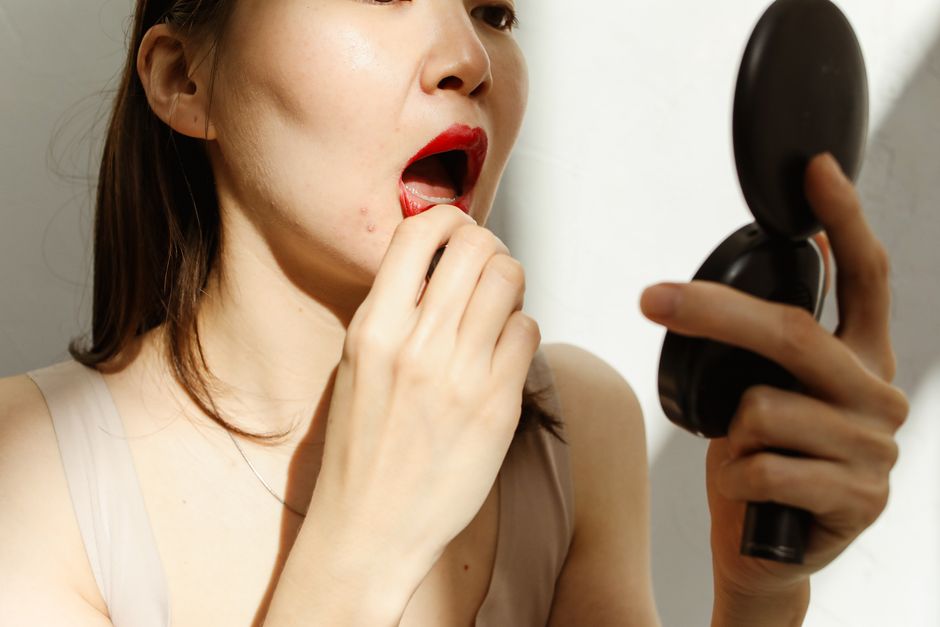
Start with a Mattifying Primer

If you struggle with oily skin, the right primer is your first line of defense against midday shine. A mattifying primer creates a smooth, shine-free base that helps your foundation adhere better and last longer. Look for silicone-based formulas that fill in pores and create a barrier between your skin and makeup.
Apply primer after your moisturizer has fully absorbed, focusing on your **T-zone** where oil production tends to be highest. Use a small amount and blend it evenly across your face with your fingertips or a makeup sponge. Many makeup artists recommend letting your primer set for a full minute before applying foundation.
For touch-ups throughout the day, keep a **travel-size mattifying primer** in your bag. A quick pat on shiny areas before reapplying powder can refresh your look without adding more layers that might cake or separate.
Quick pick: Compare top-rated Makeup Hacks options.
Choose Oil-Free Matte Foundation
The foundation you choose makes or breaks your all-day makeup wear. Oil-free, matte-finish foundations are specifically formulated to control shine and prevent your makeup from sliding off your face. Avoid anything labeled dewy, luminous, or radiant as these finishes emphasize natural oils and make oily skin appear even shinier.
Look for foundations marked as **non-comedogenic** to prevent clogged pores and breakouts. Mineral foundations and powder foundations work exceptionally well for oily skin types because they absorb excess oil throughout the day. Apply foundation with a damp beauty sponge rather than a brush to achieve a natural, long-lasting finish.
When testing foundations, swatch them on your jawline and wait at least 30 minutes to see how they interact with your natural oils. The right formula should still look fresh and matte after that time period.
Set Everything with Translucent Powder
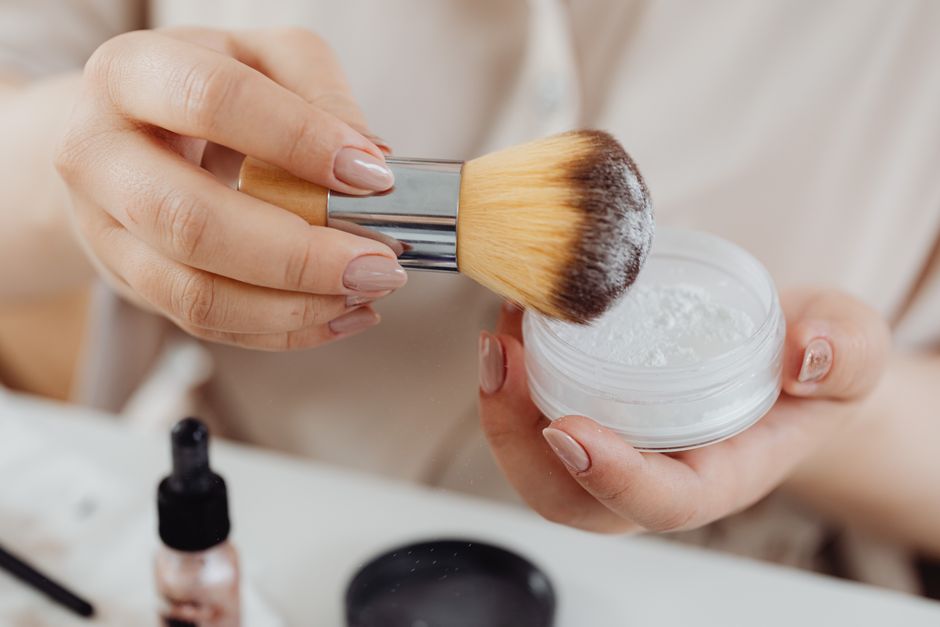
Translucent setting powder is the secret weapon for making makeup last all day on oily skin. This colorless powder locks your foundation in place without adding extra coverage or changing your foundation shade. Apply it generously to areas that get oily first, typically your forehead, nose, and chin.
The **baking technique** works wonders for oily skin. Apply a thick layer of translucent powder under your eyes and on your T-zone, let it sit for 5-10 minutes, then brush away the excess. This method sets your makeup with extra staying power and creates a smooth, poreless finish.
Carry a pressed translucent powder compact for touch-ups every few hours. Gently press the powder into shiny areas rather than swiping it across your face to avoid disturbing your foundation underneath.
Keep Oil-Blotting Papers Handy
Oil-blotting papers are small sheets that absorb excess oil without disturbing your makeup. These portable sheets are perfect for quick fixes when you notice shine appearing throughout the day. Unlike powder, blotting papers remove oil rather than just covering it up, which prevents makeup from becoming cakey.
To use them correctly, gently press a sheet against oily areas and hold for a few seconds. Never rub or drag the paper across your skin as this can smudge your makeup. One sheet typically handles your entire face, and you can use them as often as needed.
Some blotting papers come infused with **mattifying powders** that provide extra oil control. Keep a pack in your purse, car, or desk drawer so you always have them when shine strikes.
Switch to Waterproof Eye Makeup
Oily skin produces excess sebum that can cause regular mascara and eyeliner to smudge, run, or disappear by midday. Waterproof formulas resist oil and moisture much better than standard versions, ensuring your eye makeup stays crisp and defined all day long.
Waterproof mascara creates a protective coating around each lash that oil cannot break down. Apply it in thin coats, letting each layer dry before adding more. For eyeliner, gel or liquid waterproof formulas last longer than pencils, which tend to slide on oily lids.
Remember that waterproof makeup requires a dedicated **oil-based makeup remover** at the end of the day. Regular cleansers often cannot break down these long-wearing formulas effectively.
Prime Your Eyelids
Eyeshadow creasing is one of the most frustrating problems for people with oily skin. Eyelid primer creates a dry, tacky base that grips powder eyeshadow and prevents it from sliding into your crease. Without primer, your natural lid oils will break down eyeshadow within hours.
Apply a small dot of eyeshadow primer to each lid and blend it from lash line to brow bone. Let it dry completely before applying eyeshadow—this usually takes about 30 seconds. The primer should feel slightly sticky to the touch when ready.
Choose eyeshadow primers specifically marketed for **oily or hooded lids**, as these formulas offer the strongest grip. Some tinted primers also help even out lid discoloration, making your eyeshadow colors appear more vibrant.
Use Cream Products Sparingly
Cream blushes, highlighters, and contours can look beautiful initially but tend to slide around on oily skin. These products contain oils and emollients that add extra moisture—the last thing oily skin needs. When they mix with your natural sebum, they break down quickly and create an uneven, patchy appearance.
Instead, opt for **powder formulas** for blush, bronzer, and highlighter. Powders sit on top of your foundation without adding moisture, and they actually help absorb some of the oil your skin produces. Apply them with a fluffy brush after setting your foundation with translucent powder.
If you love the look of cream products, apply them before your powder foundation rather than after. This sandwich technique traps the cream product between layers, helping it last longer.
Try the Powder-Foundation-Powder Method
This professional technique involves applying a light layer of translucent powder before your foundation, then setting with more powder after. The first powder layer absorbs the oils your skin naturally produces, creating a drier surface for foundation to grip. The final powder layer locks everything in place.
Start with clean, moisturized skin and apply a thin dusting of translucent powder with a large fluffy brush. Apply your foundation immediately, then set with another layer of powder focusing on your **oil-prone zones**. This method significantly extends makeup wear time.
While this creates a very matte finish, it works exceptionally well for long days when you need your makeup to stay perfect. You can skip the first powder layer on drier areas like your cheeks if you want a more natural look in those zones.
Invest in a Mattifying Setting Spray
Setting spray is the final step that melts all your makeup layers together and creates a protective barrier against oil. Mattifying setting sprays contain ingredients that control shine and extend wear time far beyond what powder alone can achieve. Hold the bottle 8-10 inches from your face and mist in an X and T pattern.
Let the setting spray air dry completely—avoid touching your face or applying more products. The drying process activates the formula and creates that locked-in effect. Quality setting sprays can add several hours to your makeup’s longevity.
Keep a **travel-size setting spray** for afternoon touch-ups. After blotting away oil and applying a bit of powder, a quick mist of setting spray refreshes your makeup and controls shine for the rest of the day.
Skip Heavy Moisturizers Before Makeup
Oily skin still needs hydration, but heavy creams can interfere with makeup application and longevity. Choose a lightweight, oil-free gel moisturizer that hydrates without adding excess oils to your skin’s surface. Apply it at least 10 minutes before starting your makeup to let it fully absorb.
If your moisturizer is too rich, it will mix with your foundation and cause it to slide around throughout the day. Your foundation will also oxidize faster on overly moisturized skin, often turning orange or darker than your natural tone.
Consider using a **hydrating serum** under your moisturizer for deeper hydration that does not sit on your skin’s surface. Hyaluronic acid serums provide moisture without the greasy feel that can compromise makeup wear.
Use Powder Bronzer and Blush Only
While cream and liquid cheek products look gorgeous in photos, they are your enemy if you have oily skin. Powder bronzers and blushes last significantly longer and help absorb oil rather than adding to it. Choose matte powder formulas without shimmer or glitter, as these particles can emphasize oily texture.
Apply powder bronzer to the hollows of your cheeks, temples, and jawline with an angled brush. Tap off excess product before applying to prevent harsh lines. For blush, smile and apply to the apples of your cheeks, blending upward toward your temples.
If you want some glow, use a **subtle powder highlighter** only on the high points of your cheekbones. Avoid highlighter on your forehead or nose if those areas get oily, as it will make shine more obvious.
Avoid Touching Your Face
Your hands transfer oil, dirt, and bacteria to your face every time you touch it. This not only breaks down your makeup but can also clog pores and cause breakouts. Many people unconsciously rest their chin in their hand or brush hair away from their face throughout the day.
Be mindful of face-touching habits and use tissues or blotting papers when you need to address shine or itch. If you wear glasses, clean them regularly to prevent nose pad oils from transferring to your foundation.
Keeping your **phone screen clean** also matters—pressing an oily phone against your cheek during calls can ruin your makeup and spread bacteria. Wipe your phone with an alcohol wipe daily.
Blot Before Reapplying Products
When you need to touch up your makeup, always blot away excess oil first before adding more powder or foundation. Layering products on top of oil creates a thick, cakey mess that emphasizes texture and looks unnatural.
Use a blotting paper or tissue to gently press against shiny areas. You will see the oil transfer to the paper—keep using fresh sheets until no more oil comes off. Then apply a light dusting of powder or a thin layer of foundation only where needed.
For major touch-ups, use a **makeup remover wipe** on your T-zone to remove the old makeup completely, then reapply foundation and powder fresh. This prevents buildup and keeps your makeup looking natural.
Choose Matte Lip Products
While this seems unrelated to oily skin, **matte liquid lipsticks** and lip stains last much longer than glossy or creamy formulas. Glossy lips can make your overall look appear more oily, even if your face makeup is matte. Matte lips provide a polished contrast to a matte face.
Liquid lipsticks dry down completely and resist fading through eating and drinking. Lip stains provide long-lasting color without any texture. If matte lips feel too drying, apply a thin layer of clear lip balm to the center of your lips only, avoiding the edges.
Avoid reapplying lip gloss throughout the day, as this adds unnecessary shine to your overall look. Stick with one matte lip application that lasts rather than glossy formulas that require constant touch-ups.
Consider Your Skincare Routine
Your skincare directly affects how well your makeup wears. If your skin produces excess oil, your makeup has to work harder to stay in place. Use oil-controlling skincare products that balance sebum production rather than stripping your skin, which triggers even more oil production.
Incorporate a **salicylic acid cleanser** or toner to keep pores clear and reduce oiliness. Niacinamide serums help regulate oil production over time with consistent use. Always use a lightweight, oil-free SPF before makeup—sunscreen is non-negotiable even for oily skin.
Give new skincare products at least four weeks to show results. Your skin needs time to adjust and regulate its oil production. Better skincare means better makeup performance.
Frequently Asked Questions
Q: How often should I use blotting papers throughout the day?
A: Use blotting papers whenever you notice shine appearing, typically every 2-4 hours for very oily skin. There is no limit to how often you can blot—these papers only remove oil without harming your skin or makeup. Keep multiple packs in different locations so you always have them available.
Q: Can I use setting spray and powder together?
A: Yes, and you should use both for maximum oil control. Apply translucent powder immediately after foundation to set it, then finish with mattifying setting spray as your final step. The powder absorbs oil while the spray locks everything together and extends wear time. This combination provides better results than either product alone.
Q: Will mattifying products make my skin produce more oil?
A: No, mattifying makeup products do not affect your skin’s oil production. They work on the surface to absorb and control visible shine without changing what happens in your pores. However, harsh skincare products that strip your skin can trigger increased oil production as your skin tries to compensate. Use gentle, balancing skincare and mattifying makeup for best results.
Explore more makeup hacks guides on our site.
Top Product Recommendations
| Product Name | Rating | Key Feature | Est. Price | Action |
|---|---|---|---|---|
| Top-rated mattifying primer for oily skin | ★★★★★ | Editor-recommended mattifying primer for oily skin from this guide | $18–$42 | Check Lowest Price on Amazon |
| Best-value oil-free matte foundation | ★★★★☆ | Affordable oil-free matte foundation — strong everyday results | $12–$28 | Check Lowest Price on Amazon |
| Premium translucent setting powder | ★★★★☆ | Higher-end translucent setting powder for visible, lasting results | $45–$95 | Check Lowest Price on Amazon |
Affiliate Disclosure: This post contains affiliate links. We may earn a commission if you buy through our links, at no extra cost to you.
Leave a Reply