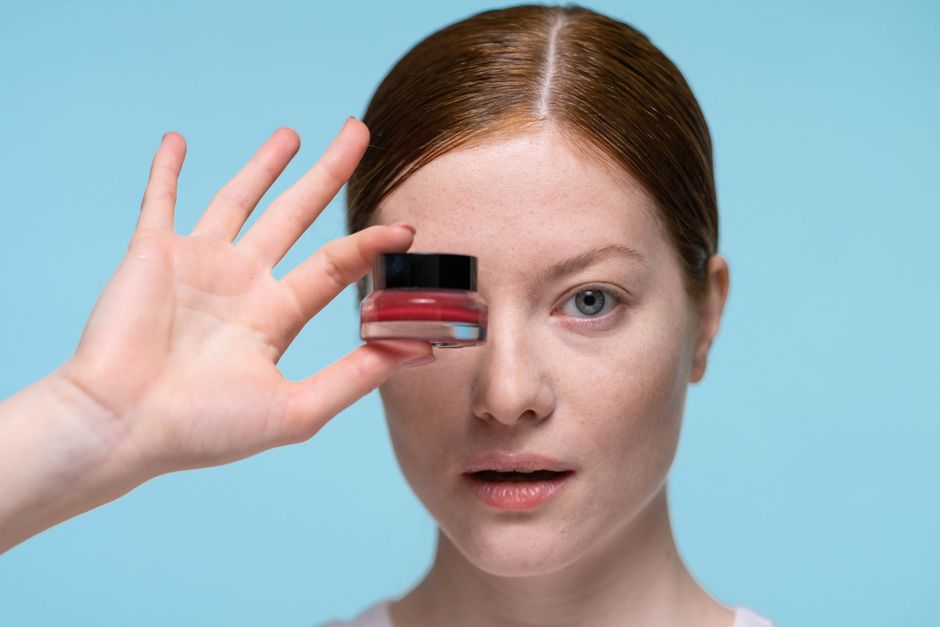
Start With the Right Primer for Oily Skin

If you have oily skin, your makeup routine needs to start long before you reach for foundation. The single most important step in controlling shine all day is choosing a **primer specifically formulated for oily skin**. These primers typically contain oil-absorbing ingredients like silica, kaolin clay, or salicylic acid that create a smooth, matte barrier between your skin and your makeup.
Apply primer immediately after your moisturizer has fully absorbed. Use your fingertips or a flat synthetic brush to dab the product onto your T-zone, cheeks, and any areas where you tend to see the most shine. Don’t skip this step — a good primer can extend the life of your makeup by several hours and dramatically reduce midday touch-ups.
Look for labels that say “oil-free,” “matte finish,” or “pore-minimizing” when shopping for a primer. Popular drugstore options that consistently rank high among beauty editors include mattifying primers with a silky, poreless-finish texture. These formulas glide on smoothly and help foundation adhere better throughout the day.
Quick pick: Compare top-rated Makeup Hacks options.
Choose a Long-Lasting Foundation Formula
The foundation you choose can make or break your oily skin makeup routine. Standard, dewy-finish foundations will slide right off your face within an hour or two. Instead, opt for a **matte, oil-free foundation** that offers buildable coverage without adding shine. Liquid foundations labeled “long-wear” or “24-hour” are specifically designed to resist breakdown from natural skin oils.
When applying foundation on oily skin, use a damp makeup sponge or a dense kabuki brush to blend the product evenly across your skin. This technique creates a thinner, more seamless layer that adheres to your primer rather than sitting on top of it. Work in thin layers — building up coverage is always an option, but starting with too much product only leads to cakiness and faster oil breakthrough.
After blending, set your foundation with a light dusting of **translucent setting powder**. Focus the powder on areas that tend to get oily first — the center of your forehead, nose, and chin. Translucent powder sets your makeup without adding extra coverage or a heavy feel, which is exactly what you want for all-day wear.
Keep Blotting Papers in Your Bag at All Times
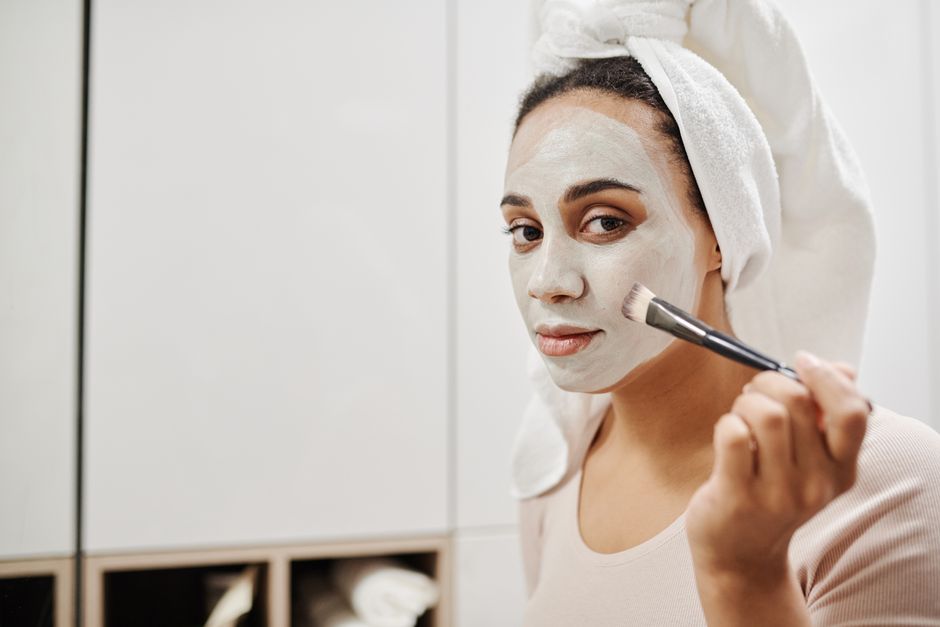
Even with the best primer and foundation, oily skin will demand attention throughout the day. This is where **blotting papers** become your best friend. These thin, absorbent sheets pull excess oil from the surface of your skin without disturbing your makeup, making them the perfect midday touch-up tool.
The key is to press — not rub — the blotting paper against oily areas. Gently press the paper onto your T-zone and hold it there for a few seconds to absorb the oil. Discard the paper and carry on with your day. Blotting papers are gentle on skin and won’t smear your lipstick or disrupt your eye makeup the way dabbing with your fingers might.
Keep a small pack of blotting papers in your purse, desk drawer, or car glove compartment. You’ll be surprised how often a quick blot in the afternoon transforms your entire look from greasy to fresh. Look for papers that are unscented and designed specifically to not remove makeup — these are the most reliable for everyday use.
Set Your Look With a Finely Milled Setting Powder
A quality **setting powder** is one of the most powerful tools in an oily skin makeup arsenal. Setting powder locks your foundation, concealer, and any cream products in place so they resist breaking down over the course of the day. The trick is to choose a powder with a finely milled texture that won’t look cakey or settle into fine lines.
Apply setting powder to your T-zone using a fluffy powder brush or a pressed powder puff. The forehead, nose, and chin are the areas where oil production is highest, so these zones deserve the most attention. If you tend to get oily around your cheeks as well, extend your application to those areas too — but always start with the T-zone.
Avoid any setting powder that lists talc as a primary ingredient if you’re concerned about a heavy or cakey appearance. Instead, look for formulas that are lightweight, oil-absorbing, and sheer. A finely milled powder feels almost invisible on the skin while doing serious work to keep shine at bay for hours.
Waterproof Eye Products That Stay Put
Oily skin doesn’t stop at your face — your eyelids produce oil too, and that means **waterproof mascara and eyeliner** are non-negotiable if you want your eye makeup to last. Regular formulas break down quickly on oily lids, resulting in smudged raccoon eyes by midday or transferring onto the skin above your lashes.
Waterproof formulas resist moisture and oil, so they maintain their crisp, clean lines far longer than their non-waterproof counterparts. Before applying eye makeup, prep your eyelids with a small amount of eyeshadow primer or concealer to create an additional oil-resistant base. This combination gives your mascara and liner something to grip onto.
At the end of the day, remove waterproof makeup with a gentle eye makeup remover or micellar water on a cotton pad. It may take a bit more effort than regular makeup removal, but clean removal is essential for eyelid health — sleeping in makeup, even mascara, contributes to irritation and breakouts around the lash line.
Eyeshadow Techniques for Oily Lids
**Matte or slightly shimmery eyeshadows** tend to work better on oily skin than highly glittery or creamy formulas. Cream shadows have a higher moisture content that can cause them to crease and slide within an hour of application, especially on oily lids. Powder shadows are more stable and last significantly longer when set properly.
Always apply an **eyeshadow primer** before your eyeshadow, even if you’re using a high-quality formula. Eyeshadow primer creates a dry, slightly tacky base that grips powder products and prevents them from absorbing skin oils throughout the day. A dime-sized amount applied across the entire lid is sufficient — blend it out evenly and let it set for about 30 seconds before applying shadow.
Use a **blending brush** to soften and diffuse your eyeshadow, creating a soft, natural gradient rather than harsh lines. Blending not only looks more flattering, but it also helps the shadow adhere more evenly to your lid, which extends its wear time. Tap off excess eyeshadow from your brush before applying to avoid fallout that can land on your foundation and create a messy look.
Long-Wearing Lipstick That Doesn’t Need Constant Touch-Ups
Reapplying lipstick every few hours gets old fast, and that’s exactly why **matte or long-wearing lipstick formulas** are a game-changer for people with oily skin. These formulas are designed to stain the lips and dry down to a finish that resists transferring, smudging, and fading — which means less maintenance for you throughout the day.
Before applying lipstick, use a **lip primer** or a thin layer of concealer on your lips. This creates a neutral base that removes any natural lip color and gives your lipstick something to grip onto. Follow with a matching **lip liner** applied all over your lips — this step fills in the natural texture of your lips, prevents feathering (where lipstick bleeds beyond your lip line), and adds an extra layer of staying power.
When shopping for long-wearing lipstick, look for formulas labeled “matte,” “liquid lipstick,” or “long-wear” that dry completely down to a transfer-resistant finish. Apply one coat, let it dry for a full minute, then apply a second coat for maximum longevity. Avoid lip gloss entirely unless you plan to reapply it constantly — gloss is the enemy of long-wear makeup on oily skin.
Keep Your Blush From Fading All Day
Cream blush is beloved for its natural, skin-like finish, but on oily skin it can melt away within a couple of hours if not set properly. The solution is a simple **two-step technique**: apply your cream blush first, then layer a **powder blush** of the same shade on top to lock it in place.
Cream blush adds a natural, healthy flush of color that looks like it’s coming from within your skin. Once you’ve blended the cream blush, dust a matching powder blush over the same area using a soft fluffy brush. The powder seals the cream underneath and provides additional color that won’t fade as quickly from oily skin’s surface.
Steer clear of **shimmery or highlighter-style blushes** when you have oily skin. The shimmer particles reflect light in a way that draws attention to the areas where your skin is already producing the most oil. Instead, choose blushes with a satin or matte finish — they add warmth and color to your complexion without amplifying shine. A subtle satin finish is perfectly acceptable as long as it’s not glittery.
Setting Spray: Your Final Defense Against Shine
After all your makeup is applied, **setting spray** is the final step that seals everything in place for all-day wear. Setting spray creates a thin, invisible film over your makeup that locks it in position and helps resist the natural oils trying to break it down throughout the day.
Choose a **setting spray formulated for oily skin** — these products typically contain oil-control ingredients like niacinamide or witch hazel that actively work to reduce shine even after the spray has dried. Hold the bottle about 8 to 10 inches from your face and mist in a light, even coating across your entire face. Let it dry completely before touching your face or adding any additional products.
For an extra-refreshing touch-up, store a small bottle of setting spray in the refrigerator. The cool mist feels invigorating on hot days and helps temporarily reset makeup that has started to look a bit tired. It’s a simple luxury that also serves a practical purpose — the cool temperature helps tighten pores temporarily, adding one more layer of defense against midday shine.
Frequently Asked Questions (FAQ)
What are the best primers for oily skin?
Look for primers that are specifically formulated for oily skin and contain oil-absorbing ingredients like silica or kaolin clay. Popular drugstore options that consistently earn top marks include mattifying primers labeled “pore-minimizing” or “poreless finish,” as well as blur-effect primers that create a smooth, shine-free canvas for makeup application. Apply them after moisturizer and before foundation for the best results.
How often should I touch up my makeup during the day?
Most people with oily skin benefit from one or two touch-up sessions per day — typically mid-morning and mid-afternoon. Use blotting papers to absorb excess oil without disturbing your makeup, then lightly dust setting powder on areas that have become shiny. Try not to over-touch your face, as constant handling can actually break down your makeup faster and introduce oils from your fingers.
Can I skip powder and use only a setting spray for oily skin?
A setting spray designed for oily skin can definitely help control shine on its own, and many people prefer the more natural finish that spray-only setting provides. That said, combining a light application of setting powder with a setting spray delivers the best results for oily skin — the powder absorbs oil immediately while the spray seals everything in place for extended wear.
What type of foundation works best for oily, acne-prone skin?
Look for a **matte, oil-free foundation** that is also non-comedogenic, meaning it won’t clog your pores. Foundations labeled “long-wear” or “24-hour” are engineered to resist breakdown from skin oils. If you have active breakouts, choose a formula that provides good coverage without feeling heavy, and always ensure your primer and concealer are also oil-free and non-comedogenic to avoid worsening congestion.
Quick Reference: Best Products for Oily Skin Makeup
| Product Category | Key Feature to Look For | Avoid |
|---|---|---|
| Primer | Oil-absorbing, mattifying, pore-minimizing | Hydrating or dewy primers |
| Foundation | Matte, oil-free, long-wear | Dewy, creamy, or moisturizing formulas |
| Setting Powder | Finely milled, translucent, oil-control | Talc-heavy or shimmery powders |
| Blotting Papers | Unscented, makeup-safe | Rub-on wipes that smear products |
| Setting Spray | Oil-control ingredients, long-wear | Hydrating or glow-enhancing sprays |
| Lipstick | Matte or liquid long-wear | Lip gloss or creamy formulas |
| Eyeshadow | Matte or satin powder | Cream or highly glittery formulas |
Explore more makeup hacks guides on our site.
Top Product Recommendations
| Product Name | Rating | Key Feature | Est. Price | Action |
|---|---|---|---|---|
| Best Makeup Hacks Pick | ★★★★★ | Top-rated overall | $25–$45 | Check Lowest Price on Amazon |
| Budget Makeup Hacks Option | ★★★★☆ | Great for beginners | $12–$28 | Check Lowest Price on Amazon |
| Premium Makeup Hacks Choice | ★★★★☆ | Pro-level results | $50–$90 | Check Lowest Price on Amazon |
Affiliate Disclosure: This post contains affiliate links. We may earn a commission if you buy through our links, at no extra cost to you.
Leave a Reply