The Right Primer Changes Everything
If there is one step that separates flawless, all-day makeup from midday meltdown, it is the primer. For oily skin, a mattifying primer is your single most important foundation. These formulas create a barrier between your skin and your makeup while actively absorbing excess oil throughout the hours ahead. Look for primers that list silica or dimethicone as primary ingredients — both work to blur pores and soak up shine before it has a chance to show up on your face.
Application technique matters just as much as the product itself. After your moisturizer sinks in completely, apply the primer in thin, upward strokes and allow it to set for at least two minutes before reaching for foundation. This gives the formula time to bond with your skin and create that smooth, grippy canvas that keeps everything locked in place. Skipping this wait is one of the most common reasons makeup slides off oily skin before lunch.
The best primers for oily skin also deliver a secondary benefit: they extend the life of your entire makeup routine. When your base adheres properly, you use less foundation to achieve the same coverage, which naturally reduces the amount of product your skin has to fight against. Think of it as the insurance policy for every beauty look you create.
- **Mattifying primers** with silica absorb oil before it reaches the surface
- **Silicone-based primers** blur pores and create a smooth, grippy base
- **Oil-control primers** last 8–12 hours with reapplication only as needed
—
Quick pick: Compare top-rated Makeup Hacks options.
Setting Sprays: Your All-Day Defense System
Setting sprays are often treated as optional, but for anyone battling oily skin, they are absolutely essential. A quality setting spray does more than just lock makeup in place — it actively works to reduce surface oil and prevent the breakdown that leads to creasing and shine. The mist creates a thin, breathable film over your makeup that acts like a second skin, keeping oil at bay while maintaining a natural finish.
Not all setting sprays are equal, and the label matters enormously here. Formulas marketed specifically for oily skin or humid climates contain oil-absorbing polymers that continue working long after you have sprayed them. Generic setting sprays, by contrast, are often designed for dry skin and may actually add unwanted dewiness to an already-oily complexion. Always check the product description before purchasing.
The technique also plays a role in how well a setting spray performs. Hold the bottle about eight inches from your face and mist in a T-shape pattern — forehead, cheeks, nose, and chin. Avoid heavy spraying directly over the eyes, which can smudge eye makeup. For especially oily days, a second light mist between foundation and powder application can increase longevity even further.
| Setting Spray Type | Best For | Oil Control Level |
|---|---|---|
| Mattifying setting spray | Oily and combination skin | High |
| Hydrating setting spray | Dry and normal skin | Low |
| Long-wear setting spray | All-day events and heat | Medium-High |
| Setting spray with primer | Touch-up application | Medium |
—
Foundation Formulas Built to Last
The foundation you choose for oily skin is not just a color and coverage decision — it is a longevity decision. Oil-free, matte foundations are specifically engineered to resist the natural oils your skin produces, which means they break down far more slowly than their dewy counterparts. These formulas typically contain ingredients that actively absorb oil while maintaining a natural-looking finish that does not appear flat or cakey.
When shopping for a foundation for oily skin, look for descriptors like **long-wearing**, **matte finish**, **oil-free**, and **transfer-resistant** on the label. These are not marketing buzzwords — they indicate specific formulation differences that directly affect how your makeup performs throughout the day. Foundations with a higher pigment concentration tend to provide better coverage with less product, which is especially helpful for concealing blemishes without layering on heavy cream products.
Application method also affects how long foundation lasts on oily skin. Brushes and beauty sponges can sometimes push product into pores rather than blending it smoothly across the surface, leading to faster breakdown. A damp sponge with a pressing motion or a dense, flat-top brush with buffing strokes tends to yield the most even, long-lasting results. Always set your foundation immediately with a light dusting of setting powder to prevent movement.
—
Blotting Papers: The Quick Fix in Your Bag
No matter how perfectly you prep and prime, oily skin will demand attention at some point during the day. Blotting papers are the fastest, most effective way to address this without disturbing your makeup. Unlike powder or other touch-up products, blotting papers absorb oil directly from the skin’s surface without adding any additional layers that could lead to cakiness or break down the makeup beneath.
The best blotting papers are ultra-thin and translucent, so you can press them gently against shiny areas without leaving residue or disrupting your carefully applied makeup. Most come in compact packaging that fits easily into a purse or pocket, making them ideal for quick touch-ups at work, during travel, or after exercise. Simply press the paper onto the oily area — usually the T-zone — for a few seconds, then discard.
Many blotting papers now come infused with powder or rice paper technology that not only absorbs oil but also provides a light matte finish. These dual-action papers are especially useful for afternoon touch-ups when a full powder application would be too heavy. Keep a pack at your desk and another in your everyday bag so you are never caught off guard by an unexpected shine session.
—
Setting Powder: The Matte Finish Secret
Translucent setting powder is one of the most powerful tools in an oily skin makeup routine, yet many people either skip it entirely or overapply it in ways that look obvious. The key is using a finely milled powder that goes on translucent and sets your makeup without adding visible coverage or a heavy, cakey appearance. A single thin layer across the entire face is far more effective than piling product onto the T-zone alone.
Focus your powder application on the areas that produce the most oil — typically the forehead, nose, and chin — but do not ignore the cheeks entirely. Light dusting everywhere keeps the texture consistent and prevents the T-zone from looking noticeably different from the rest of your face. Use a fluffy powder brush for large areas and a smaller detail brush around the nose and under the eyes for precision.
For the absolute best results, apply setting powder while your foundation is still slightly tacky. This technique traps the foundation in place before it fully sets, creating a bond that resists oil and humidity throughout the day. The powder absorbs any remaining stickiness and leaves a smooth, matte surface that makeup clings to rather than sliding off.
—
Waterproof Products That Resist Oil and Humidity
Oily skin creates a particularly challenging environment for eye makeup and lip color, because the oils that rise from your pores break down most formulas within hours. Waterproof products are formulated to resist moisture, which means they also resist the breakdown caused by skin oils. This makes them significantly more durable on oily skin than their regular counterparts, even if you are not dealing with rain or swimming.
Waterproof mascara is perhaps the most obvious choice for this category, but waterproof eyeliners — both pencil and liquid formulas — make an equally dramatic difference. Regular eyeliner tends to migrate and smudge throughout the day on oily lids, creating a shadowy, undefined look. A waterproof liner stays crisp and precise from morning through evening without requiring constant touch-ups.
When using waterproof products, keep in mind that they require a dedicated remover. The same properties that make them resistant to oil and water also make them resistant to gentle cleansing. Using a waterproof makeup remover or a cleansing oil ensures that you remove everything completely at the end of the day without excessive rubbing that can irritate oily, acne-prone skin.
—
Eyeshadow Techniques for Oily Lids
The eyelid is one of the oiliest areas on the face, which makes eyeshadow one of the most challenging makeup steps for this skin type. An eyeshadow primer specifically formulated for oily lids creates a dry, adhesive surface that powder and cream shadows grip onto firmly. Without it, even the highest-quality eyeshadow palettes fade within an hour, crease into the fold, and lose all vibrancy.
Matte and satin eyeshadow finishes outperform shimmer formulas on oily lids. The flat, non-reflective texture of matte shadows does not highlight the natural oils that shimmer and glitter particles catch and amplify throughout the day. If you love a little glow, try placing shimmer only on the center of the lid and keeping the crease matte — this gives dimension without emphasizing oiliness.
The layering technique also works exceptionally well for oily lids. Apply a thin layer of cream eyeshadow as a base, allow it to set for thirty seconds, then press a matching powder shadow on top. The cream adheres to the primer while the powder layer absorbs any oils that try to surface, creating a double-barrier system that dramatically extends wear time.
—
Long-Lasting Lipstick Strategies
Lipstick on oily skin faces a two-part challenge: the natural oils from your lips and the oils migrating from your surrounding skin. Matte, long-wearing lipstick formulas are specifically designed to dry down to a stain-like finish that clings to the lip surface rather than sitting on top of it. These formulas do not slide, feather, or disappear the way traditional cream lipsticks do.
A lip primer acts as a barrier between your natural lip oils and the lipstick formula, much like face primer does for foundation. It creates a smooth, slightly tacky surface that lipstick adheres to more firmly. For the longest possible wear, apply lip primer, let it set for thirty seconds, then apply your lipstick in thin layers rather than one thick coat.
If you want even more staying power from your lip color, try the setting spray technique. After your lipstick has fully dried down, hold your setting spray about ten inches away and mist it lightly over your lips. The spray bonds the color to your lips and adds a subtle protective layer that resists oil, food, and drink far better than lipstick alone.
—
Contour and Highlight That Stays Put
Cream contour and highlight products are stunning when first applied, but on oily skin they have a notorious tendency to melt away, blend into each other, and disappear by midday. The solution is not to avoid these products entirely but to layer them strategically with powder formulas that anchor cream products in place.
Apply your cream contour and highlight as usual, then immediately dust a thin layer of setting powder over the top using a small brush. The powder seals the cream products without dulling their color or removing the natural dimension they create. This technique is especially effective for the hollows of the cheeks, where oily skin tends to break down cream products fastest.
Alternatively, look for powder contour and highlight palettes formulated for long wear. These deliver the same dimensional effect with built-in staying power that resists the oils your skin naturally produces throughout the day. Cream-to-powder formulas also work well, as they dry down to a powder finish that does not require an additional setting step.
—
Skincare as the Foundation of Makeup Longevity
No makeup hack will fully compensate for a skincare routine that does not address oily skin at its source. Consistent morning and evening care with products designed to balance oil production creates the best possible canvas for makeup application. Cleansers with salicylic acid, toners with witch hazel, and lightweight oil-free moisturizers all work together to reduce excess shine without stripping the skin.
Double cleansing in the evening is particularly important for oily skin. A gentle oil-based cleanser followed by a water-based cleanser removes all traces of makeup, sunscreen, and accumulated oil without over-drying. Skin that is properly cleansed but not stripped retains enough moisture to function normally, which paradoxically reduces the amount of excess oil it produces throughout the day.
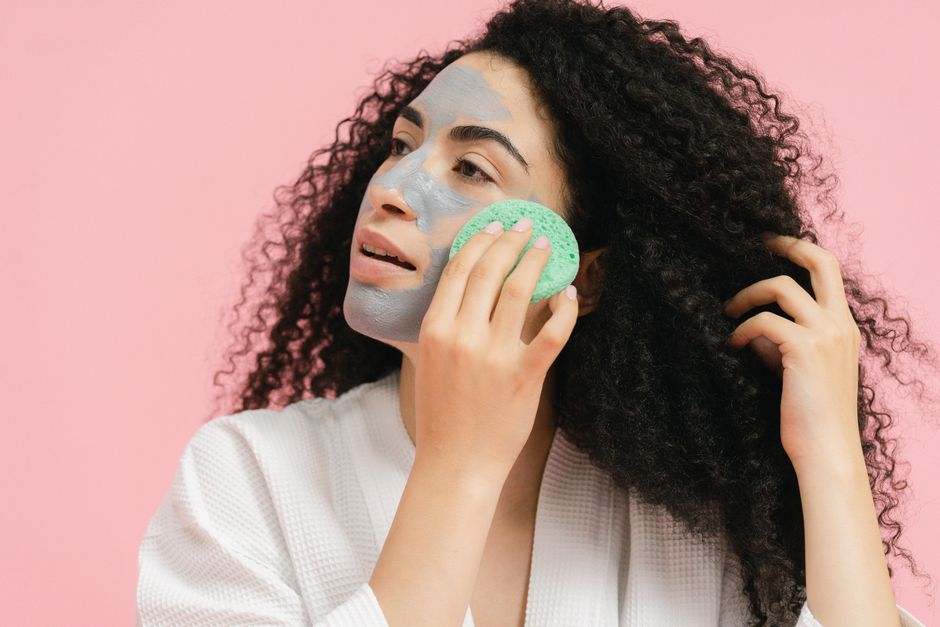
Weekly treatments with clay or charcoal masks draw out impurities and absorb excess oil from deep within the pores, giving your skin a reset between makeup-heavy days. These treatments are especially beneficial during warmer months when heat and humidity accelerate oil production. Just be sure to moisturize well after masking, since overly dry skin can trigger increased oil production as a compensatory response.
—
Touch-Up Strategies That Preserve Your Look
Knowing how and when to touch up your makeup is just as important as the original application. For oily skin, the most effective touch-up routine involves blotting papers first, then a light application of setting powder on any areas that still look shiny after blotting. This two-step approach removes existing oil before adding any new product, preventing the buildup that leads to cakiness.
Avoid layering fresh foundation or heavy powder over makeup that has already started to break down. This trap — where each touch-up adds more product and more oil — is the single biggest reason makeup looks worse by the end of the day rather than better. Instead, focus touch-up efforts on shine control with blotting and powder, and save full foundation reapplication for after you have properly cleansed and prepped your skin.
A pressed powder compact with a built-in mirror is the most practical touch-up tool for on-the-go use. Choose a shade that matches your setting powder rather than your foundation — the lighter shade helps control shine without adding noticeable coverage that could look patchy over existing makeup.
—
Seasonal Adjustments for Oily Skin Makeup
Oily skin is not static — it responds to seasonal changes in temperature, humidity, and your own activity levels. A makeup routine that works perfectly in winter may feel heavy and break down quickly in summer, and vice versa. Adjusting your primer, foundation, and powder formulations by season ensures that your makeup performs optimally year-round.
In hot, humid months, switch to a lighter-weight matte primer and consider a breathable, featherlight foundation or even a quality tinted moisturizer with oil-control benefits. Heavier winter formulas can slide off much faster in summer heat, making your skin look worse than if you had simply used less product. A mattifying setting spray becomes even more critical during summer, as heat activates oil production significantly.
In colder months, your skin may produce less oil naturally, which means overly matte or drying products can emphasize dry patches and make makeup look patchy rather than smooth. Dial back the oil-control intensity slightly and focus on a balanced approach that controls shine without stripping moisture. Even oily skin needs hydration — dehydrated skin often overcompensates by producing even more oil.
—
Frequently Asked Questions (FAQ)
How often should I touch up my makeup with oily skin?
Most people with oily skin benefit from touching up with blotting papers every two to three hours, with a light dust of setting powder in the T-zone as needed. Avoid reapplying full foundation during the day, as layering product over already-degraded makeup creates cakiness. Instead, blot first, then powder only the areas that need it.
Can I skip moisturizer if I have oily skin?
No — skipping moisturizer actually worsens oily skin by stripping moisture, which triggers your skin to produce even more oil as a protective response. Use a lightweight, oil-free moisturizer every morning and evening. This keeps your skin balanced and makes your makeup adhere more evenly, reducing the need for heavy foundation coverage.
What skincare ingredients help control oily skin under makeup?
Salicylic acid, niacinamide, witch hazel, and tea tree oil are among the most effective ingredients for controlling oil production without irritating the skin. Niacinamide is especially beneficial because it helps regulate sebum production while strengthening the skin barrier. Incorporate these ingredients into your cleanser, toner, or serum for the best cumulative results beneath your makeup.
Do I need a different primer for summer versus winter?
Yes — switching your primer seasonally makes a noticeable difference in makeup longevity. In summer, use a lighter mattifying primer that can withstand heat and humidity. In winter, a slightly more hydrating primer prevents the dry, tight feeling that often leads to excess oil production as your skin tries to compensate.
Explore more makeup hacks guides on our site.
Top Product Recommendations
| Product Name | Rating | Key Feature | Est. Price | Action |
|---|---|---|---|---|
| Top-rated mattifying primer for oily skin | ★★★★★ | Editor-recommended mattifying primer for oily skin from this guide | $18–$42 | Check Lowest Price on Amazon |
| Best-value oil control setting powder | ★★★★☆ | Affordable oil control setting powder — strong everyday results | $12–$28 | Check Lowest Price on Amazon |
| Premium waterproof eyeliner for oily lids | ★★★★☆ | Higher-end waterproof eyeliner for oily lids for visible, lasting results | $45–$95 | Check Lowest Price on Amazon |
Affiliate Disclosure: This post contains affiliate links. We may earn a commission if you buy through our links, at no extra cost to you.
Leave a Reply