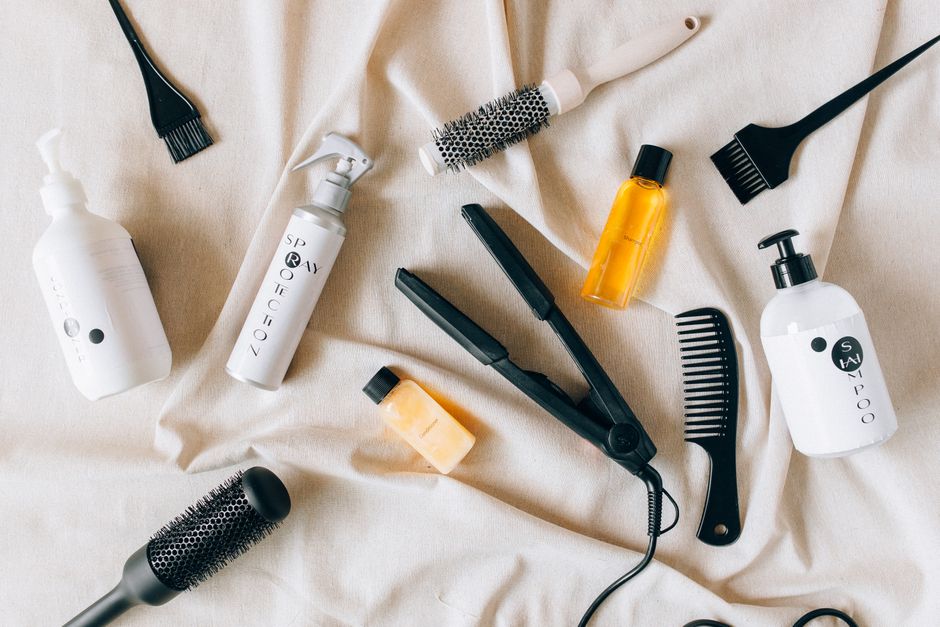
Why Humidity Wrecks Your Hair (And How to Fight Back)
If you’ve ever stepped outside on a muggy morning with perfectly styled hair and arrived somewhere looking like a completely different person, you already know the problem. **Humidity pulls moisture into the hair shaft**, causing it to swell unevenly — and that uneven swelling is exactly what creates frizz. The good news is that the **best leave-in conditioner for frizzy hair in humidity** creates a barrier that slows down that moisture absorption, giving your style a fighting chance.
This isn’t just about slapping on any product and hoping for the best. A real at-home hair maintenance routine — one that covers washing, conditioning, heat protection, styling, and weekly treatments — is what separates a good hair day from a great one. The sections below walk you through every step, in order, so you can build salon-quality results right in your own bathroom.
The focus here is practical. No fluff, no guesswork — just a proven sequence that works for most hair textures dealing with frizz and humidity.
—
Quick pick: Compare top-rated Hair options.
Wash and Scalp Care: The Right Foundation
Every strong hair routine starts at the scalp. If you skip proper cleansing or use the wrong shampoo, everything you apply afterward fights an uphill battle. **Your scalp is skin**, and like facial skin, it needs to be clean and balanced before treatments can absorb effectively.
- Choose a **gentle, sulfate-free shampoo** matched to your hair type — sulfates strip the natural oils that keep hair hydrated and frizz-resistant
- **Focus your scrubbing on the scalp**, not the length of your hair; the ends are the oldest, most fragile part and don’t need aggressive cleansing
- Rinse thoroughly with **lukewarm water** — hot water lifts the cuticle and makes frizz worse, while cold water helps seal it
For frizzy hair types, co-washing (using a cleansing conditioner instead of shampoo) two or three times a week is worth considering. It preserves more natural moisture between full shampoo sessions. Aim to shampoo fully just once or twice a week unless your scalp is particularly oily.
Pay attention to product buildup too. Switching to a **clarifying shampoo once or twice a month** removes silicone and styling product residue that can weigh hair down and block conditioning ingredients from penetrating the shaft.
—
Deep Conditioning Treatments: Weekly Reset for Your Hair
A deep conditioning mask is the single most impactful weekly treatment you can add to your routine. Unlike rinse-out conditioners applied in the shower, a **hair mask is designed to sit on the hair for several minutes**, allowing richer ingredients to penetrate beyond the outer cuticle layer.
- Look for masks that contain **shea butter, coconut oil, keratin proteins, or hydrolyzed silk** — these ingredients fill in gaps along the cuticle and reduce the porosity that makes hair prone to frizz
- Apply the mask from **mid-length to ends**, not the roots, to avoid weighing down the scalp area
- Leave it on for **at least 5–10 minutes**, or longer under a shower cap with gentle heat from a hair dryer to boost penetration
Once a week is the standard for most hair types. If your hair is especially dry, color-treated, or heat-damaged, bumping up to twice a week is reasonable. Consistency matters more than intensity — a good mask used regularly beats an expensive one used sporadically.
After rinsing the mask, finish with a **cool water rinse** to close the cuticle. This step is quick but makes a noticeable difference in shine and how well your hair holds its shape in humid conditions.
—
Heat Protection and Styling: Don’t Skip This Step
Heat damage is cumulative. Each time you use a flat iron, curling wand, or blow dryer without protection, you’re removing moisture and roughing up the cuticle — both of which make frizz dramatically worse over time. A **heat protectant spray or cream** creates a thermal barrier that reduces the amount of direct damage your hair absorbs.
- Apply heat protectant to **damp hair before blow-drying**, or to dry hair before using a flat iron or curling tool
- Choose **ceramic or tourmaline-coated styling tools** — they distribute heat more evenly than bare metal plates, reducing hot spots that cause breakage
- Keep your tool temperature at a **moderate setting**: 300–380°F for most hair types, and no higher than 350°F for fine or already-damaged hair
A common mistake is cranking the heat up to finish faster. Higher heat doesn’t necessarily mean better results — it often means more damage for the same outcome. A slightly lower temperature with a slower pass gets the job done just as effectively.
For frizz specifically, **blow-drying with a concentrator nozzle** while directing airflow downward along the hair shaft helps align the cuticle. This simple technique reduces frizz before you even reach for the flat iron.
—
Styling with Leave-In Conditioner: Your Humidity Defense
This is where your daily anti-frizz strategy comes together. The **best leave-in conditioner for frizzy hair in humidity** does several things at once: it hydrates, smooths the cuticle, and forms a lightweight film that slows how quickly ambient moisture gets in. Picking the right one for your hair texture makes a real difference.
| Hair Type | Best Leave-In Formula | Key Ingredients to Look For |
|---|---|---|
| Fine, straight | Lightweight spray | Glycerin, panthenol, silk proteins |
| Medium, wavy | Cream or lotion | Shea butter, aloe vera, niacinamide |
| Thick, curly | Rich cream or butter | Coconut oil, keratin, castor oil |
| Coily or 4C | Dense butter or milk | Argan oil, mango butter, marshmallow root |
- Apply leave-in conditioner to **freshly washed, damp hair** — not soaking wet, not fully dry; damp is the sweet spot for absorption
- Focus application on the **mid-lengths and ends**, which are the driest and most porous parts of the strand
- Use a **wide-tooth comb or your fingers** to distribute the product evenly and detangle without causing breakage
For extra humidity protection, layer a small amount of a **lightweight hair oil or anti-frizz serum** on top of the leave-in before styling. The oil acts as a sealant over the leave-in’s moisture, slowing down the humidity cycle. This combination approach — hydrate, then seal — is the same logic professional stylists use.
Don’t overdo the amount. A dime to quarter-sized amount of leave-in conditioner is usually plenty for shoulder-length hair. Too much product can make hair look greasy or heavy rather than smooth.
—
Weekly Treatments for Stronger, Healthier Hair
Beyond the deep conditioning mask, a few additional weekly treatments can significantly improve your hair’s resilience against humidity and everyday stress. Think of these as targeted treatments for specific concerns — dryness, breakage, or loss of elasticity.
- **Hair oils and serums** applied to damp hair before styling add a layer of protection and shine without the weight of a heavy cream
- Look for **argan oil, jojoba oil, or marula oil** in lightweight formulas — these absorb into the hair shaft rather than just sitting on the surface
- For protein-deficient hair (hair that stretches too much before snapping), a **weekly protein treatment** helps restore structure and reduce frizz caused by over-porous strands
Scalp treatments are also worth including once a week. A **scalp scrub or oil treatment** keeps the skin healthy, which directly influences the quality of new hair growth. Healthy hair starts at the root.
Rotate your weekly treatments based on what your hair needs. If you’ve been heat styling frequently, lean heavier on moisture. If your hair feels mushy or limp rather than frizzy, it may actually need more protein. Learning to read your hair’s response is part of building an effective routine.
—
Protecting Hair from Environmental Damage
Sun, chlorine, salt water, and pollution all degrade hair over time — and damaged hair is far more susceptible to humidity frizz. Environmental protection is an often-overlooked layer of any serious maintenance routine.
- Wear a **wide-brimmed hat or use a UV protectant spray** when you’re spending extended time outdoors in strong sunlight; UV rays break down the keratin structure in hair just like they affect skin
- **Rinse your hair with fresh water** before swimming in a pool or ocean — pre-saturating the shaft means it absorbs less chlorine or salt water during your swim
- Use a **swim cap** for lap swimming or extended pool time; even a basic silicone cap dramatically reduces chlorine damage
After any swim, rinse immediately with clean water and follow up with a **moisturizing conditioner or leave-in product** as soon as possible. Chlorine and salt both strip moisture and roughen the cuticle, setting the stage for frizz.
In dry indoor environments — heated homes in winter or heavily air-conditioned spaces in summer — a **hair mist or diluted leave-in spray** used mid-day can restore moisture lost to dry air. Think of it as a refresh that keeps the cuticle lying flat between wash days.
—
Building Your Routine: The Full Sequence at a Glance
Putting it all together doesn’t have to feel overwhelming. Once the steps become habit, the whole routine takes less time than a standard salon visit — and the results compound week over week.
- **Wash days (2–3x per week):** Sulfate-free shampoo → rinse-out conditioner → cool rinse → towel blot → leave-in conditioner → style
- **Weekly add-ons:** Deep conditioning mask + hair oil or serum treatment
- **Daily habit:** Heat protectant before any hot tools; protective styling or a light hair mist on non-wash days
- **Monthly:** Clarifying shampoo to reset buildup; assess whether your hair needs more moisture or more protein
Consistency is the real product. The best leave-in conditioner for frizzy hair in humidity works best when the rest of your routine is keeping the hair shaft healthy enough to absorb and hold moisture in the first place. The two work together — not independently.
Start with the wash-and-condition foundation, then layer in treatments one at a time. Most people notice a meaningful change in their frizz levels within two to three weeks of sticking to a structured routine.
—
Frequently Asked Questions (FAQ)
Q: Can I use a regular rinse-out conditioner instead of a leave-in conditioner for frizzy hair?
A: Regular conditioners are formulated to be washed out — they deposit moisture quickly but leave the hair once you rinse. **Leave-in conditioners are designed to stay on the hair all day**, continuously smoothing the cuticle and blocking humidity. For frizz control in humid conditions, a leave-in is significantly more effective because it works throughout the day rather than only immediately after washing.
Q: How often should I use a deep conditioning hair mask?
A: Once a week is the standard recommendation for most hair types. If your hair is **color-treated, heat-damaged, or very dry**, twice a week is appropriate. Fine hair types may find that once every 10 days is plenty to avoid over-softening, which can make hair feel limp rather than healthy.
Q: What’s the right way to apply heat protectant spray before styling?
A: Spray evenly throughout **damp, towel-dried hair** before blow-drying, or apply to dry hair in a light, even mist before using a flat iron or curling tool. Focus on the **mid-lengths and ends** since those sections take the most direct heat. Let the product absorb for about 30 seconds before styling — don’t rush straight from spray to iron.
Q: I want to buy a leave-in conditioner for humidity — what should I actually look for on the label?
A: Prioritize products that list **humectants** (like glycerin or aloe vera) combined with **emollients or sealants** (like argan oil, shea butter, or dimethicone). The humectants draw moisture to the hair shaft while the sealants slow down how fast ambient humidity gets in. Avoid formulas that are predominantly alcohol-based, especially for curly or thick hair — they dry out faster than they hydrate in humid weather.
Top Product Recommendations
| Product Name | Rating | Key Feature | Est. Price | Action |
|---|---|---|---|---|
| Top-rated leave in conditioner for frizzy hair humidity | ★★★★★ | Editor-recommended leave in conditioner for frizzy hair humidity from this guide | $18–$42 | Check Lowest Price on Amazon |
| Best-value sulfate free shampoo for frizzy hair | ★★★★☆ | Affordable sulfate free shampoo for frizzy hair — strong everyday results | $12–$28 | Check Lowest Price on Amazon |
| Premium heat protectant spray for hair | ★★★★☆ | Higher-end heat protectant spray for hair for visible, lasting results | $45–$95 | Check Lowest Price on Amazon |
Affiliate Disclosure: This post contains affiliate links. We may earn a commission if you buy through our links, at no extra cost to you.
Leave a Reply