How to Maintain Healthy, Frizz-Free Hair at Home
Frizzy hair in humid weather can feel impossible to manage. You step outside with perfectly styled hair, only to watch it puff up within minutes. The good news is that with the right at-home routine and products, you can keep your hair smooth and manageable even when humidity levels spike. This guide walks you through every step of building a salon-quality hair care routine at home.
Quick pick: Compare top-rated Hair options.
Wash and Scalp Care
Your frizz-fighting routine starts in the shower. Choose a **sulfate-free shampoo** that cleanses without stripping your hair of its natural oils. Harsh sulfates can leave your hair dry and more prone to frizz, especially in humid conditions.
Focus on your scalp when shampooing, using gentle circular motions to lift away buildup and excess oil. A healthy scalp creates the foundation for smooth, frizz-resistant hair. Look for shampoos with hydrating ingredients like glycerin, aloe vera, or coconut oil.
Rinse thoroughly with lukewarm water rather than hot water. Hot water opens the hair cuticle and can lead to more frizz. End with a cool water rinse to help seal the cuticle and lock in moisture.
Deep Conditioning Treatments
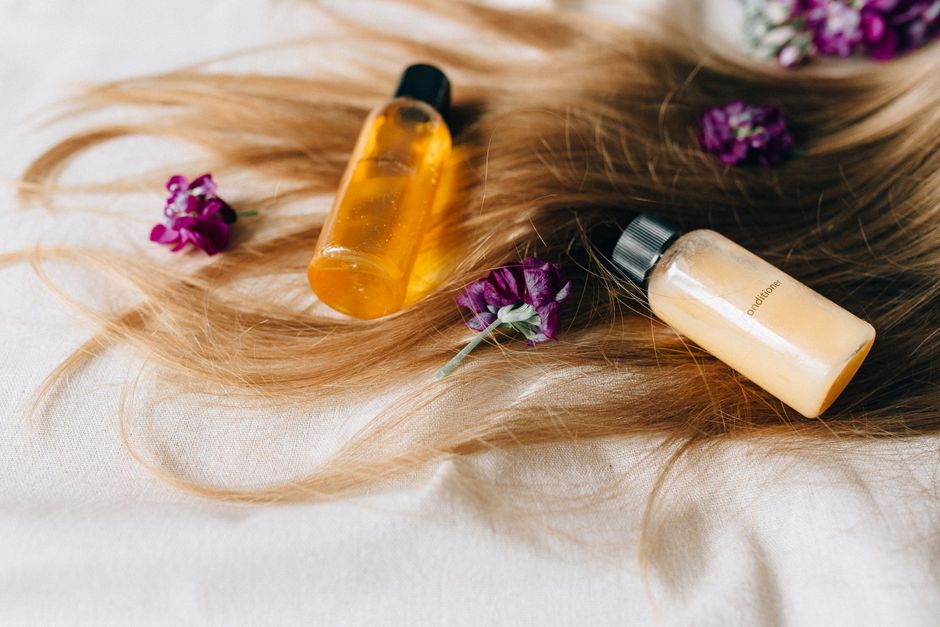
Deep conditioning masks are essential for keeping frizz under control. Apply a **hydrating hair mask** once or twice a week, focusing on the mid-lengths and ends of your hair. Avoid applying heavy conditioners directly to your roots, as this can weigh down your hair.
Leave the mask on for 5 to 10 minutes while you finish your shower routine. For extra penetration, cover your hair with a shower cap to trap heat. The warmth helps the conditioning ingredients absorb more deeply into each strand.
Rinse the mask out completely with cool water. Any residue left behind can attract humidity and actually make frizz worse. Your hair should feel soft and smooth, not slippery or coated.
Protecting Hair from Heat Damage
Heat styling tools can be your best friend or worst enemy when fighting frizz. Always apply a **heat protectant spray or cream** to damp hair before using any hot tools. These products create a barrier between your hair and the high temperatures.
Keep your flat iron, curling iron, or blow dryer at a moderate temperature. You don’t need the highest setting to achieve great results. Lower heat applied correctly causes less damage and helps your style last longer.
Make sure your hair is at least 80% dry before using a flat iron or curling iron. Applying direct heat to wet hair causes the water inside the hair shaft to boil, which damages the cuticle and leads to more frizz over time.
The Power of Leave-In Conditioners
This is where the magic happens for frizzy hair in humidity. A quality **leave-in conditioner** provides ongoing moisture and protection throughout the day. Apply it to damp, towel-dried hair before styling.
Look for lightweight formulas with **smoothing ingredients** like argan oil, shea butter, silk proteins, or amino acids. These ingredients coat the hair cuticle and create a moisture barrier that humidity can’t penetrate. Avoid heavy, greasy formulas that can weigh down your hair.
The best leave-in conditioners for humidity control often contain silicones like dimethicone or cyclomethicone. While some people avoid silicones, they’re actually highly effective at sealing the hair cuticle and preventing moisture from entering the hair shaft in humid conditions.
Styling and Finishing Techniques
How you style your hair matters just as much as the products you use. Start with a **wide-tooth comb** to gently detangle damp hair. Never use a fine-tooth comb or brush on wet hair, as this causes breakage and frizz.
When blow-drying, use the concentrator nozzle attachment and aim the airflow down the hair shaft from roots to ends. This technique smooths the cuticle and creates a sleeker finish. Keep the dryer moving constantly to avoid heat damage.
Finish with a few drops of **anti-frizz serum or hair oil** on dry hair. Focus on the ends and any particularly frizzy areas. A small amount goes a long way—start with just 2-3 drops and add more only if needed.
Weekly Treatments for Damaged Hair
Even with perfect daily care, your hair needs extra attention once a week. Try a **protein treatment** every 7-10 days if your hair feels weak or stretchy. Protein helps rebuild the hair structure and makes it more resistant to humidity.
Alternate protein treatments with **moisture-focused oil treatments**. Apply coconut oil, argan oil, or a pre-made hair oil blend to dry hair before bed. Cover with a shower cap and wash it out in the morning for deeply nourished, frizz-resistant hair.
Schedule regular trims every 8-12 weeks to remove split ends before they travel up the hair shaft. Split ends make frizz significantly worse because damaged hair absorbs moisture unevenly in humid conditions.
Product Types Comparison
| Product Type | Best For | Application Method | Frequency |
|---|---|---|---|
| Leave-In Conditioner | Daily frizz control | Damp hair before styling | Every wash day |
| Deep Conditioning Mask | Weekly hydration boost | Mid-lengths to ends, rinse out | 1-2 times per week |
| Heat Protectant Spray | Pre-styling protection | Damp hair before heat tools | Every time you heat style |
| Anti-Frizz Serum | Finishing and polish | Dry hair, focus on ends | Daily as needed |
| Hair Oil Treatment | Intensive repair | Dry hair, leave in overnight | Once per week |
Building Your Humidity-Proof Routine
Consistency is key when fighting frizz in humid climates. Start with a solid foundation of gentle cleansing and deep conditioning. Layer in heat protection whenever you style, and always apply your leave-in conditioner to damp hair.
Pay attention to how your hair responds to different products. If something feels too heavy, switch to a lighter formula. If your hair still feels dry and frizzy, you may need more intensive moisture treatments.
Remember that your hair’s needs can change with the seasons. You might need lighter products in summer and richer formulas in winter. Stay flexible and adjust your routine as needed.
Frequently Asked Questions
Q: What is the best leave-in conditioner for frizzy hair in humidity?
A: Look for a lightweight, hydrating formula containing **silk proteins, amino acids, and natural oils** like argan or jojoba. The best products for humidity create a moisture barrier without weighing hair down. Ingredients like dimethicone help seal the cuticle and prevent humidity from penetrating the hair shaft.
Q: How often should I use a deep conditioning treatment?
A: Use a deep conditioning mask **once or twice a week** depending on your hair’s condition. If your hair is severely damaged, chemically treated, or very dry, you can deep condition twice weekly. For moderately healthy hair, once a week is sufficient to maintain smoothness and prevent frizz.
Q: Can I protect my hair from heat damage without sacrificing style?
A: Absolutely. Apply a **heat protectant product** before every styling session and use moderate temperature settings on your tools. Modern heat protectants create an effective barrier while still allowing you to achieve sleek, polished styles. The key is proper product application and not using excessive heat.
Top Product Recommendations
| Product Name | Rating | Key Feature | Est. Price | Action |
|---|---|---|---|---|
| Top-rated leave in conditioner for frizzy hair | ★★★★★ | Editor-recommended leave in conditioner for frizzy hair from this guide | $18–$42 | Check Lowest Price on Amazon |
| Best-value heat protectant spray for hair | ★★★★☆ | Affordable heat protectant spray for hair — strong everyday results | $12–$28 | Check Lowest Price on Amazon |
| Premium deep conditioning hair mask | ★★★★☆ | Higher-end deep conditioning hair mask for visible, lasting results | $45–$95 | Check Lowest Price on Amazon |
Affiliate Disclosure: This post contains affiliate links. We may earn a commission if you buy through our links, at no extra cost to you.
Leave a Reply