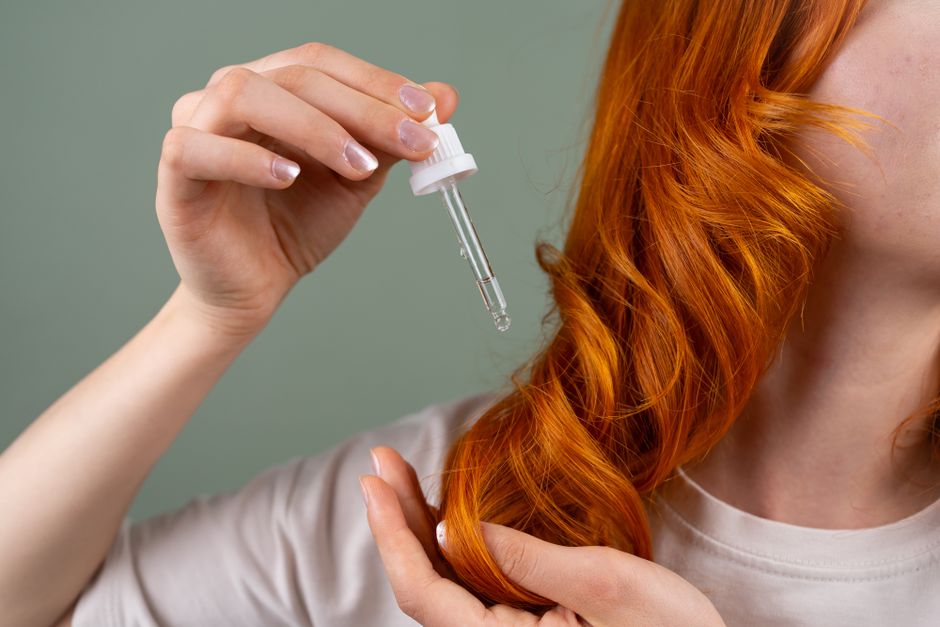
Wash and Scalp Care
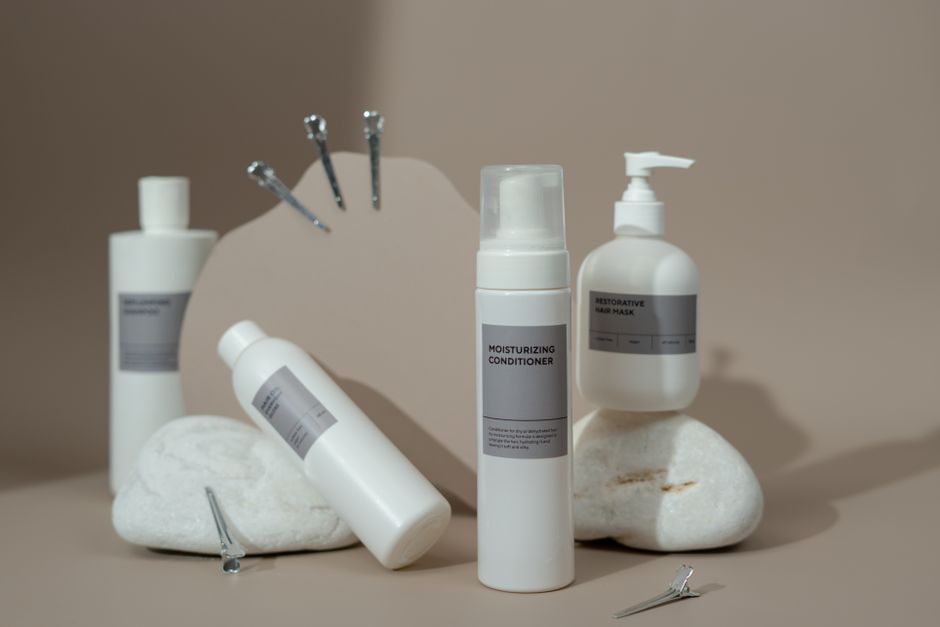
Choosing the right shampoo is the foundation of any effective frizz-fighting routine. Look for sulfate-free formulas that cleanse without stripping your hair‘s natural oils. Moisture-rich shampoos with ingredients like coconut oil, argan oil, or shea butter work best for frizzy hair types. Avoid clarifying shampoos unless you have product buildup, as they can leave hair dry and more prone to frizz.
When washing, focus on your scalp rather than scrubbing the length of your hair. Use lukewarm water instead of hot water, which can open the hair cuticle and invite moisture from humid air. Gently massage your scalp with your fingertips to stimulate circulation and remove buildup. Rinse thoroughly to prevent residue that can weigh hair down or cause flakiness.
Healthy scalp care is essential for managing frizzy hair in humid conditions. A balanced scalp produces the right amount of natural oils to coat and protect each strand. Consider using a **scalp scrub** once a week to remove dead skin cells and product buildup. Keep your scalp moisturized but not greasy, and avoid touching your hair throughout the day to prevent transferring oils from your hands.
Quick pick: Compare top-rated Hair options.
Deep Conditioning Treatments
Deep conditioners provide intense moisture that helps seal the hair cuticle and prevent humidity from penetrating the shaft. These treatments typically contain higher concentrations of conditioning agents like proteins, ceramides, and botanical oils. Using a deep conditioner once or twice a week can dramatically reduce frizz and improve hair texture. Look for formulas labeled specifically for dry, damaged, or frizz-prone hair.
When selecting a deep conditioner, consider your hair’s porosity and texture. **High-porosity hair** absorbs moisture quickly but loses it just as fast, so you need protein-rich formulas that strengthen and seal. Low-porosity hair resists moisture, requiring lighter conditioners with heat to help ingredients penetrate. Medium-porosity hair is the most balanced and responds well to most deep conditioning treatments.
You can create effective at-home deep conditioning treatments using ingredients from your kitchen. Mix avocado with honey and olive oil for a nourishing mask. Apply your chosen treatment from mid-length to ends, avoiding the scalp to prevent greasiness. Cover your hair with a shower cap and leave the treatment on for 20-30 minutes. For extra penetration, apply gentle heat with a hair dryer over the cap.
Heat Protection and Styling
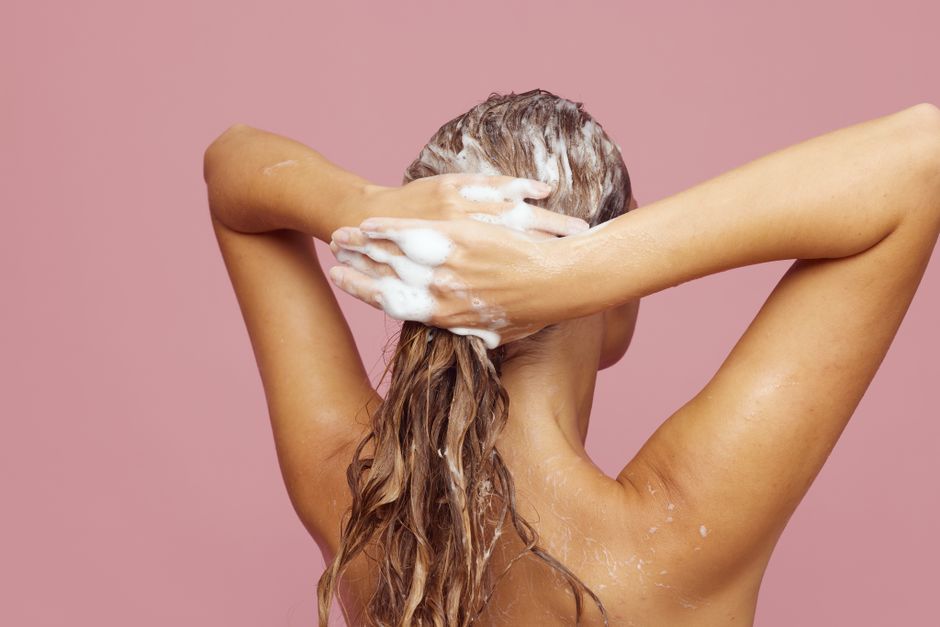
Heat styling tools can smooth frizzy hair, but they also risk causing damage that makes frizz worse over time. Always apply a **heat protectant spray or cream** before using any hot tools. These products create a barrier between your hair and temperatures that can reach 400°F or higher. Look for heat protectants with silicones, which provide exc nt thermal protection and add shine.
Keep your heat styling tools at the lowest effective temperature for your hair type. Fine hair typically needs 250-300°F, while thick or coarse hair may require 350-400°F. Use each section only once or twice to minimize heat exposure. Never use heat tools on damp hair unless they’re specifically designed for wet styling, as this can cause severe damage and increase frizz.
Incorporating the right heat protection products reduces frizz by sealing the cuticle and creating a smooth surface. Choose products with ingredients like argan oil, keratin, or dimethicone. Apply the product evenly through damp hair before blow-drying, or on dry hair before flat ironing or curling. Let the product dry slightly before applying heat for maximum protection.
Styling Techniques for Frizzy Hair
The way you style your hair matters just as much as the products you use. Start with damp, not soaking wet, hair when applying styling products. Blot excess water with a microfiber towel or cotton t-shirt instead of rubbing with a regular towel, which roughens the cuticle. Apply your **leave-in conditioner** section by section, distributing it evenly from roots to tips.
For air-drying, scrunch your hair gently upward to encourage natural wave or curl patterns while the leave-in conditioner sets. Avoid touching your hair as it dries, which disrupts the cuticle and creates frizz. If you’re blow-drying, use a diffuser attachment on low heat and low speed. Point the airflow downward along the hair shaft to smooth the cuticle rather than lifting it.
In humid weather, your styling routine should focus on creating a moisture barrier. Layer products strategically: leave-in conditioner first for hydration, then a smoothing cream or serum for slip, and finally a light hair oil to seal everything in. Finish with an anti-humidity hairspray that contains film-forming polymers. These products create an invisible shield that keeps moisture from penetrating your hair shaft.
Weekly Treatments for Healthy Hair
Hair masks deliver concentrated nourishment that regular conditioners can’t match. Using a **hair mask** once a week helps repair damage, restore elasticity, and build resilience against humidity. Look for masks containing keratin, collagen, or amino acids to strengthen hair structure. Ingredients like honey, aloe vera, and glycerin attract and retain moisture without weighing hair down.
Incorporate your weekly treatment into a relaxing self-care routine. After shampooing, squeeze out excess water and section your hair into four parts. Apply the mask generously from mid-shaft to ends, using a wide-tooth comb to distribute it evenly. Twist each section and clip it up, then let the treatment work for the recommended time—usually 15-30 minutes.
The best ingredients for treating frizzy hair include **hydrolyzed proteins** that fill gaps in damaged hair, plant oils that penetrate the shaft, and humectants like glycerin that balance moisture levels. Avoid ingredients like alcohol denat or high concentrations of coconut oil if you have fine or low-porosity hair, as these can cause buildup or weigh hair down. Rotate between protein treatments and moisture treatments to maintain the perfect balance.
Understanding Leave-In Conditioners
Leave-in conditioners are specially formulated to remain on your hair without rinsing, providing continuous moisture and protection throughout the day. Unlike regular conditioners, they’re lighter and won’t weigh hair down or look greasy. The **best leave-in conditioner for frizzy hair in humidity** contains a blend of moisturizers, proteins, and anti-humectants that work together to smooth the cuticle and repel excess moisture from the air.
These products come in various forms: sprays for fine hair, creams for medium to thick hair, and oils for very coarse or curly textures. Spray leave-ins provide light coverage and are easy to distribute evenly. Cream leave-ins offer more intensive moisture and work well for thick, dry, or damaged hair. Leave-in oils are best for sealing in moisture as a final step rather than as a primary conditioning treatment.
When shopping for a leave-in conditioner, check the ingredient list for **silicones like dimethicone or cyclomethicone**, which create a protective coating, and natural oils like argan, jojoba, or grapeseed oil. Look for products with panthenol (vitamin B5) for moisture retention and hydrolyzed wheat protein for strength. Avoid heavy butters or waxes in leave-in formulas, as these can build up quickly and make hair look dull.
Product Application and Timing
Applying products at the right time and in the right order maximizes their effectiveness. Always start with clean, damp hair for leave-in conditioner application. Your hair should be about 70% dry—damp enough to distribute product but not so wet that it dilutes the formula. Section your hair into four or more parts depending on thickness to ensure even coverage.
Use about a **quarter-sized amount** for short hair, a half-dollar amount for medium-length hair, and more for long or very thick hair. Warm the product between your palms before applying. Start at the ends where hair is oldest and most damaged, then work your way up to mid-shaft. Avoid applying leave-in conditioner directly to your roots unless the product is specifically designed for scalp application.
The order of product application matters significantly for frizz control. Apply leave-in conditioner first on damp hair, then add a curl cream or smoothing serum if needed, followed by a light oil to seal. Finish with styling products like mousse or gel if you want hold. Allow each product to absorb for 30 seconds before adding the next layer to prevent product pilling or flaking.
Ingredient Comparison for Humidity Control
| Ingredient Type | Best For | How It Works | Example Ingredients |
|---|---|---|---|
| Silicones | All hair types | Creates water-resistant barrier | Dimethicone, cyclomethicone |
| Natural Oils | Medium to coarse hair | Seals cuticle, adds shine | Argan oil, jojoba oil |
| Proteins | Damaged, porous hair | Fills gaps, strengthens strands | Keratin, wheat protein |
| Humectants | Dry climates only | Attracts moisture from air | Glycerin, honey |
| Anti-humectants | Humid climates | Repels excess moisture | Certain silicones, oils |
Understanding these ingredient categories helps you choose products that work with your environment rather than against it. In high humidity, prioritize **anti-humectant ingredients** that create a barrier against moisture. In dry climates, humectants help your hair absorb beneficial moisture from the environment. Many quality leave-in conditioners contain a balanced blend that adapts to different conditions.
Proteins are essential for chemically treated or heat-damaged hair that’s become porous and frizz-prone. However, too much protein can make hair stiff and brittle. Balance protein treatments with moisture-rich products, and pay attention to how your hair responds. If it feels dry or strawlike after using a product, you may need more moisture and less protein in your routine.
Frequently Asked Questions
Q: What is the best way to apply leave-in conditioner to frizzy hair?
A: Apply leave-in conditioner to damp hair, starting at the ends and working toward mid-shaft. Section your hair for even distribution and avoid the roots. Use a wide-tooth comb to spread the product through each section, then allow hair to air dry or use a diffuser on low heat. For best results, apply the product within five minutes of washing while hair is still slightly damp.
Q: How often should I use a deep conditioner on my frizzy hair?
A: Use a deep conditioner once or twice per week depending on your hair’s condition and porosity. If your hair is severely damaged or very dry, start with twice weekly treatments until you see improvement. For maintenance, once per week is typically sufficient. Overusing deep conditioners can lead to buildup or overly soft hair that lacks structure, so adjust frequency based on how your hair responds.
Q: What are some natural remedies for managing frizzy hair in humid weather?
A: Natural remedies include applying aloe vera gel mixed with a few drops of jojoba oil as a leave-in treatment, using apple cider vinegar rinses to seal the cuticle, and creating hair masks from avocado and honey. Coconut oil can work as a pre-wash treatment for coarse hair but may be too heavy for fine textures. Green tea rinses provide antioxidants that strengthen hair and reduce frizz over time when used weekly.
Top Product Recommendations
| Product Name | Rating | Key Feature | Est. Price | Action |
|---|---|---|---|---|
| Top-rated leave in conditioner for frizzy hair | ★★★★★ | Editor-recommended leave in conditioner for frizzy hair from this guide | $18–$42 | Check Lowest Price on Amazon |
| Best-value heat protectant spray for hair | ★★★★☆ | Affordable heat protectant spray for hair — strong everyday results | $12–$28 | Check Lowest Price on Amazon |
| Premium deep conditioning hair mask | ★★★★☆ | Higher-end deep conditioning hair mask for visible, lasting results | $45–$95 | Check Lowest Price on Amazon |
Affiliate Disclosure: This post contains affiliate links. We may earn a commission if you buy through our links, at no extra cost to you.
Leave a Reply