Introduction
Losing weight and keeping it off is one of the most common goals Americans set for themselves each year — and also one of the most frustrating. The truth is, quick-fix diets and extreme crash programs rarely deliver lasting results. Instead, the strategies that actually work are rooted in science: small, consistent habits that stack up over time to create real transformation.
The good news is that you do not need to overhaul your entire life overnight. Building sustainable weight loss habits around nutrition, movement, sleep, hydration, and mindset can produce meaningful results without deprivation or dramatic disruption. This guide walks through evidence-based tips you can start using today.
Nutrition and Healthy Eating Habits
The foundation of any effective weight loss plan starts with what you eat. Research consistently shows that whole, minimally processed foods support healthy weight management better than restrictive calorie-counting alone.
**Focus on adding more whole foods to your plate.** Incorporating a colorful variety of fruits, vegetables, and whole grains increases fiber intake, which helps you feel full longer on fewer calories. Vegetables like leafy greens, broccoli, and bell peppers are particularly nutrient-dense without being calorie-dense.
**Cut back on processed foods and sugary drinks.** Packaged snacks, fast food, and sweetened beverages are among the biggest sources of added sugars and empty calories in the American diet. Swapping a single soda per day for water or sparkling water can make a surprisingly significant impact over weeks and months.
**Practice portion control and mindful eating.** You do not need to weigh every morsel of food. A simple habit like putting your fork down between bites, eating without screens, and stopping when you feel satisfied — not stuffed — can naturally reduce overall calorie intake. Using smaller plates and pre-portioning snacks are practical tricks that require no special equipment.
Regular Physical Activity and Exercise
Nutrition gets the engine started, but physical activity is what keeps the momentum going. Exercise burns calories, builds lean muscle, and has profound effects on mood and energy levels that support every other habit on this list.
**Understand the benefits of regular movement.** Beyond burning calories during a workout, regular exercise improves insulin sensitivity, boosts metabolism, and reduces the risk of chronic conditions linked to weight gain. Even a 20-minute daily walk makes a measurable difference for many people.
**Mix cardio and strength training for best results.** Cardiovascular exercise — brisk walking, cycling, swimming, or dancing — burns calories efficiently. Strength training — using resistance bands, dumbbells, or bodyweight exercises — builds lean muscle mass, which increases the number of calories your body burns at rest.
**Find a routine that fits your life.** The best exercise plan is the one you will actually do. If you dread the gym, try a dance class or a hiking trail. If your schedule is chaotic, short 10-minute sessions throughout the day are just as effective as one longer workout for many fitness goals. Consistency matters far more than intensity.
The Importance of Sleep in Weight Management
Sleep is the most underrated tool in any weight loss strategy. Yet study after study links poor sleep to weight gain, increased appetite, and difficulty losing fat.
**How lack of sleep undermines weight loss.** When you sleep fewer than seven hours regularly, your body produces more ghrelin — the hormone that triggers hunger — and less leptin — the hormone that signals fullness. This hormonal imbalance makes you hungrier throughout the day, often reaching for high-calorie comfort foods.
**Improve sleep quality and duration.** Aim for seven to nine hours of sleep per night. Establish a consistent bedtime routine: dim the lights an hour before bed, keep your bedroom cool and dark, and avoid screens in the final 30 minutes before sleep. These simple changes can dramatically improve sleep quality within a week or two.
**Understand the sleep-stress-weight connection.** Chronic stress and poor sleep create a cycle that works against your goals. Both elevate cortisol levels, which promotes fat storage, especially around the midsection. Prioritizing rest breaks this cycle and supports your overall plan.
Mindset and Motivation for Weight Loss
No nutrition plan or workout routine works if your mindset is not aligned with your goals. Sustainable weight loss is as much a mental game as it is a physical one.
**Cultivate an internal motivation.** People who focus on how they want to feel — more energetic, confident, and capable — tend to stick with their habits longer than those who are driven purely by appearance. Write down your specific reasons for wanting to lose weight and revisit them when motivation dips.
**Use habit stacking to build consistency.** Instead of relying on willpower alone, attach new habits to existing ones. For example, do a five-minute stretch right after brushing your teeth in the morning, or prep a healthy lunch the night before you do dinner dishes. These small anchors make new behaviors automatic over time.
**Reframe setbacks as data, not failure.** Missing a workout or eating an indulgent meal does not erase your progress — it provides information. Ask yourself what caused the detour, adjust your plan, and move forward. A single off day does not define your journey.
Hydration and Water Consumption
Staying properly hydrated is one of the simplest and most overlooked habits for supporting weight loss. Water plays a direct role in how your body metabolizes fat and manages appetite.
**Why hydration matters for weight management.** Even mild dehydration can slow down metabolism and be mistaken for hunger. Drinking a full glass of water before a meal can naturally reduce calorie intake by helping you feel satisfied faster.
**How much water should you drink each day?** A general guideline is eight 8-ounce glasses — about 64 ounces — but individual needs vary based on activity level, climate, and body size. A practical test: check the color of your urine. Pale yellow indicates good hydration; dark yellow suggests you need more fluids.
**Tips for building a water habit.** Keep a reusable water bottle at your desk or in your bag. Add natural flavor with cucumber slices, fresh mint, or a squeeze of lemon if plain water feels boring. Setting phone reminders or using a marked water bottle can help you hit your daily target without overthinking it.
Tracking Progress and Making Adjustments
What gets measured gets managed. Tracking your habits — not just the number on the scale — gives you a clear picture of what is working and what needs to change.
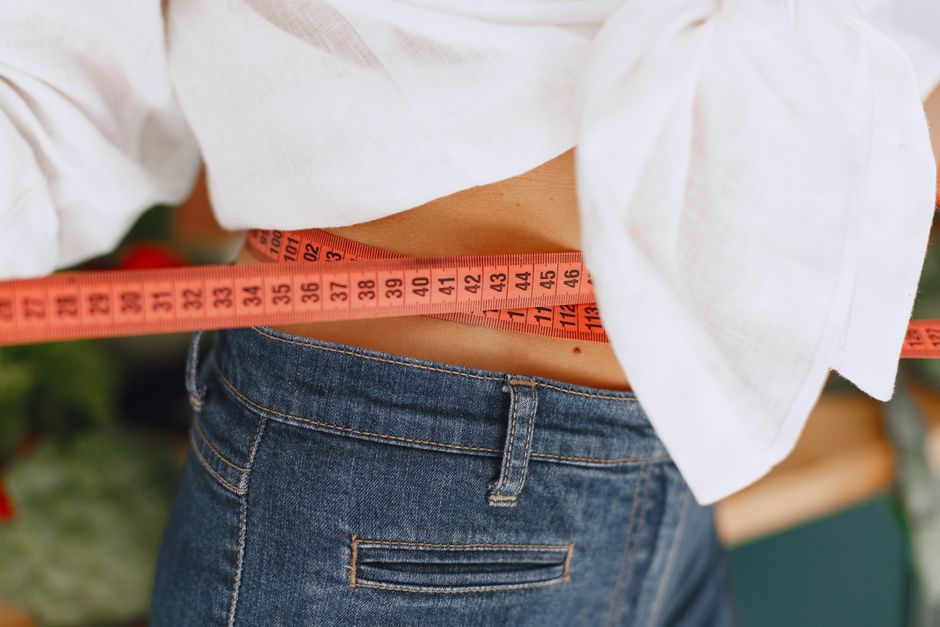
**Use multiple progress indicators.** The scale is one data point, but it does not tell the whole story. Track waist circumference, energy levels, mood, sleep quality, and how your clothes fit. These non-scale victories often show progress long before the scale budges.
**Leverage technology to monitor your journey.** Fitness trackers, food logging apps, and smart scales can surface patterns you might otherwise miss — like higher calorie intake on weekends or better sleep after evening walks. Many free apps make this tracking effortless.
| Habit | Daily Goal | Key Benefit |
|---|---|---|
| Water intake | 64+ oz | Supports metabolism and reduces false hunger |
| Vegetables | 2+ cups | High fiber, low calorie, fills you up |
| Movement | 20–30 min | Burns calories and boosts mood |
| Sleep | 7–9 hours | Regulates hunger hormones |
**Make adjustments based on evidence, not emotion.** If weight loss stalls for more than two weeks, look at your data. Perhaps a habit needs tweaking — slightly smaller portions, a longer walk, or an earlier bedtime. Small, targeted adjustments are far more effective than dramatic overhauls.
Frequently Asked Questions (FAQ)
What is the best way to start a weight-loss journey?
Start with one or two habits you can realistically maintain — like drinking an extra glass of water each day or taking a 15-minute walk after dinner. Build momentum gradually rather than trying to change everything at once. Small, consistent steps create lasting results far more reliably than extreme, short-term efforts.
How can I ensure that I am losing weight in a healthy and sustainable way?
Focus on whole foods, consistent movement, and adequate sleep as your core pillars. Aim for a gradual rate of loss — roughly one to two pounds per week — which is generally considered safe and sustainable. This approach is not a quick fix, but it sets you up to keep the weight off for good. **This article is for informational purposes only and is not medical advice.**
What are some common mistakes people make when trying to lose weight?
Many people cut calories too drastically, which slows metabolism and increases muscle loss. Others skip sleep or let stress spiral out of control, undermining their efforts through elevated cortisol. Another frequent mistake is relying on exercise alone while ignoring nutrition. The most effective approach combines balanced eating, regular movement, quality rest, and a resilient mindset.
Top Product Recommendations
| Product Name | Rating | Key Feature | Est. Price | Action |
|---|---|---|---|---|
| Top-rated natural fiber supplement for weight management | ★★★★★ | Editor-recommended natural fiber supplement for weight management from this guide | $18–$42 | Check Lowest Price on Amazon |
| Best-value exercise resistance bands for home workout | ★★★★☆ | Affordable exercise resistance bands for home workout — strong everyday results | $12–$28 | Check Lowest Price on Amazon |
| Premium insulated water bottle for daily hydration | ★★★★☆ | Higher-end insulated water bottle for daily hydration for visible, lasting results | $45–$95 | Check Lowest Price on Amazon |
Affiliate Disclosure: This post contains affiliate links. We may earn a commission if you buy through our links, at no extra cost to you. Medical Disclaimer: This content is for informational purposes only and is not medical advice. Consult a healthcare professional before changing diet or exercise.
Leave a Reply