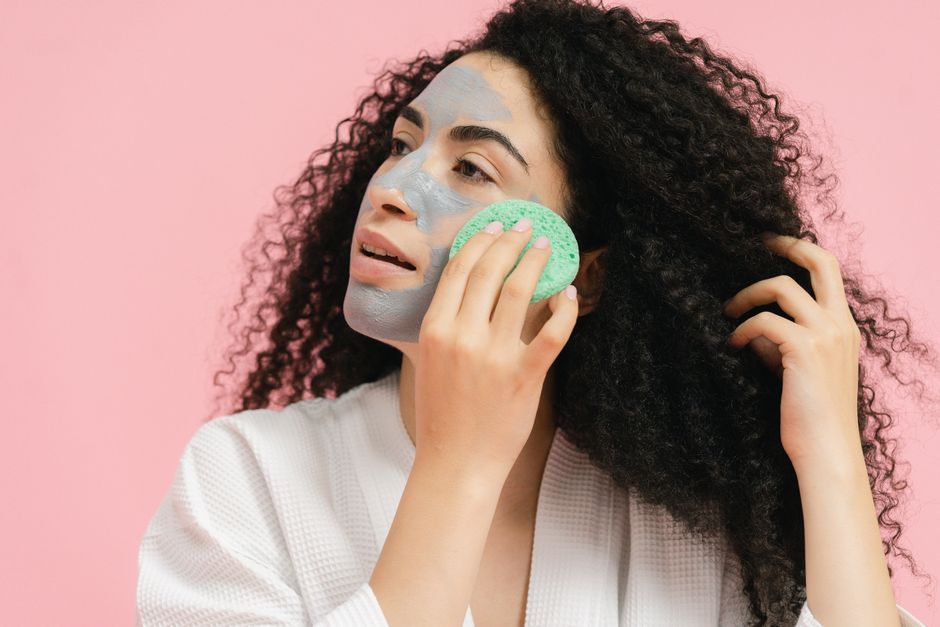
Start With a Primer Made for Oily Skin
The single most important step in any makeup routine for oily skin is choosing the right primer. Without it, foundation slides off within hours and you are left dealing with shine by midday. A mattifying primer creates a smooth barrier between your skin and your makeup, filling in pores and fine lines so your base applies evenly and stays locked in place. Look for primers labeled **oil-free** or **matte-finish** on the label — these formulas are specifically engineered to absorb excess sebum throughout the day. Apply it after your moisturizer but before foundation, focusing on the T-zone where oil production tends to be most aggressive. Give the primer about two minutes to set before moving on to your foundation — this small wait makes a noticeable difference in how long your makeup lasts.
Quick pick: Compare top-rated Makeup Hacks options.
Choose an Oil-Free Foundation With a Matte Finish
Not all foundations are created equal when it comes to oily skin, and picking the wrong one can undo all your prep work in minutes. Foundations with dewy, luminous, or glowing finishes contain ingredients that actually attract and reflect oil, leaving you looking shinier rather than fresh. Instead, reach for foundations that are labeled **oil-free**, **non-comedogenic**, or explicitly marketed as **matte**. These formulas are water-based and designed to absorb oil rather than add shine. Application technique matters too — stippling the foundation on with a damp beauty sponge rather than rubbing it in helps maintain that matte finish while still giving you buildable coverage. If you prefer a brush, a flat foundation brush applied in light strokes gives an equally smooth result without pushing oils around.
Lock Your Foundation Down With a Translucent Setting Powder
Setting powder is the unsung hero of every long-wear makeup routine, and for oily skin it is absolutely non-negotiable. A translucent powder with a **finely milled formula** sets your foundation without adding extra coverage or a heavy texture, creating a smooth canvas that repels oil. Apply it with a fluffy powder brush across your entire face, then go back with a smaller brush to press it into areas that tend to get oiliest — your nose, forehead, and chin. The key is pressing, not sweeping, because pressing pushes the powder into the foundation for a more durable bond. If you have fair to medium skin, a translucent powder works perfectly; those with deeper skin tones may prefer a lightly tinted setting powder to avoid any white cast.
Use Blotting Papers Throughout the Day
Even with the best primer, foundation, and powder routine, most people with oily skin will still need to address shine at some point during the day. **Blotting papers** are the fastest, cleanest way to do this without disturbing your makeup. Unlike touching your face with your fingers or reapplying powder (which builds up and looks cakey), blotting papers absorb excess oil directly from the skin’s surface. Simply press one against your T-zone, hold it there for a few seconds, and toss it — no rubbing required. Keep a small pack in your purse or bag so you are always prepared. Look for brands made from **rice paper or natural materials**, as these tend to be the most effective at absorption without leaving residue on the skin.
Set Everything With a Mattifying Setting Spray
Setting spray is the final step that ties your entire routine together and gives you genuine all-day wear. After you have applied your primer, foundation, and powder, a single mist of a **mattifying setting spray** creates a thin, flexible film over your makeup that helps it resist smudging, transferring, and breaking down from oil. The difference between a look that lasts four hours and one that lasts eight often comes down to this one step. Avoid setting sprays that promise a dewy or dewy-glow finish — those are designed for dry skin and will work against you. Look for keywords like **long-wear**, **12-hour**, or **matte** when shopping for a setting spray. Hold the bottle about eight to ten inches from your face and mist in a light, even layer, then let it air dry completely without touching your face.
Stick to Powder-Based Products Over Creams
One of the most effective switches you can make for oily skin is moving from cream-based makeup to **powder-based formulas** wherever possible. Creams and liquids sit on top of the skin and blend with its natural oils, which causes them to break down and slide around much faster. Powders, by contrast, adhere to the skin’s surface and are naturally oil-resistant. This does not mean you have to give up all your favorite cream products — just be strategic about when you use them. Cream blush can work if you set it immediately with a light dusting of powder, but your everyday eyeshadow, bronzer, and contour should all be in powder form. The result is a more durable, crease-resistant look that holds up even in humidity.
Use a Matte Eyeshadow Primer and Formula
Oily eyelids are a common frustration because the natural oils from your skin cause eyeshadow to crease, fade, and gather in the folds of your lids within just an hour or two. The solution is a **two-step system**: start with an eyeshadow primer specifically designed for oily lids, then apply your eyeshadow on top. An eyeshadow primer works the same way face primer does — it creates a smooth, slightly tacky base that grip your eyeshadow pigment and keeps it in place. For the eyeshadow itself, stick with **matte formulas** rather than shimmery or glittery ones, which tend to emphasize oil and look patchy on oily lids. Matte shades blend beautifully and tend to last significantly longer without any fallout or creasing throughout the day.
Reach for Waterproof, Long-Wear Mascara
Waterproof mascara is an essential tool for anyone with oily skin because it resists the moisture that comes from oil production and natural eyelid hydration. Non-waterproof formulas soften and smudge when they come into contact with oils, creating dark lines under your eyes that you have to constantly touch up. A **waterproof, lengthening mascara** in a matte formula gives you the drama you want without any of the smudging. Avoid tubing mascaras if you are sensitive to eye irritation, but for most people they are an exc nt choice because they wrap around lashes in small tubes that do not flake or run. One important note: always use a dedicated **oil-based or waterproof makeup remover** at the end of the day, because waterproof formulas require more than water to wash off completely.
Keep Your Eyebrows Natural and Powder-Based
Brows are one of the first places where excess oil becomes obvious, especially if you use cream or pomade products that are not set properly. The result is brows that look faded, patchy, or slightly smeared by midday. Switch to **powder-based brow products** like brow powder or a pressed brow shadow for a more natural, longer-lasting fill. Apply it with a small angled brush in short, hair-like strokes to mimic your natural brow hair, then set everything with a clear or tinted **brow gel** to lock it in place. Avoid brow pomades and creams unless you follow up with a light dusting of translucent powder over your brows — the powder absorbs any oil that tries to break down the product and keeps your arches looking crisp from morning to night.
Touch Up Strategically With a Pressed Powder Compact
Even with blotting papers and setting spray, most people with oily skin will need at least one strategic touch-up during a long day. A **pressed powder compact** is the best tool for this because it allows you to target specific oily zones without rebuilding your entire base. The trick is to blot first with a blotting paper, wait about thirty seconds for the skin to settle, and then apply a thin layer of pressed powder only where you need it. Do not dust powder across your whole face — this creates a flat, cakey look and actually makes oil worse over time because powder mixed with oil settles into pores. Targeted application keeps your skin looking fresh and natural while maintaining your coverage exactly where you need it most.
Double Cleanse at Night to Control Oil Production
Proper skincare is the foundation of any good makeup routine, and for oily skin, **double cleansing** at night is one of the best habits you can build. A gentle **oil cleanser** or **cleansing balm** applied first dissolves makeup, sunscreen, and the excess sebum that has built up throughout the day. Follow with a water-based foaming or gel cleanser to remove any remaining residue. This two-step process is far more effective than a single cleanser alone, and over time it helps regulate your skin’s oil production by keeping pores clear of buildup. When your skin is truly clean and balanced, your makeup applies smoother and lasts longer the next day — it is a cycle that feeds itself in the best possible way.
Choose Lip Products That Stay Put on Oily Skin
While your face makeup might hold up beautifully, **lip products** often struggle on oily skin because the oils from your face can migrate up to your lips. Cream lipsticks and glossy formulas smear, fade, and transfer far more easily than their matte counterparts. Stick with **matte liquid lipstick** or a **long-wear lipstick crayon** for all-day color that does not require constant reapplication. These formulas dry down to a stain-like finish that clings to your lips and resists both fading and transfer. If you prefer a softer look, a tinted lip balm in a matte finish gives you moisture with some color payoff and is far more forgiving throughout the day than a traditional gloss or cream lipstick.
Keep Your Brushes Clean and Oil-Free
Dirty makeup brushes are one of the most overlooked causes of excess shine and breakouts on oily skin. Brushes collect oil, dead skin cells, and bacteria every single time you use them, and then deposit all of that back onto your face the next time you apply makeup. A brush that is saturated with old product and oils creates a grittier, greasier base that makes your foundation look worse, not better. Wash your brushes at least once a week with a gentle **brush cleanser** or a drop of baby shampoo, and let them dry completely flat or hanging upside down so the bristles do not trap moisture. Clean brushes apply foundation more evenly, blend eyeshadow more precisely, and help your entire routine last longer throughout the day.
Use a Mattifying Sunscreen as Your Final Morning Step
Sunscreen is non-negotiable every single morning, but many formulas for oily skin leave an unwelcome greasy residue that undermines everything else you have done. The key is finding a ** mattifying or mineral sunscreen** that works as a final control step rather than an added source of shine. Look for sunscreens that contain **zinc oxide or titanium dioxide** and are labeled **oil-free** or **dry-touch** — these sit more lightly on the skin and actually absorb some of the excess oil your skin produces. Apply your sunscreen after your moisturizer and let it absorb for a full two minutes before you apply your primer and foundation. This waiting period prevents pilling and ensures each layer has time to settle properly for the smoothest, most long-wearing finish possible.
Frequently Asked Questions (FAQ)
What is the best way to apply makeup on oily skin?
Start with a clean, moisturized face and apply a mattifying primer specifically designed for oily skin. Let it set for two minutes before applying an oil-free foundation with a flat brush or damp beauty sponge. Set the foundation with a translucent setting powder, focusing on the T-zone. Use powder-based products for blush, bronzer, and eyeshadow, and finish with a mattifying setting spray to lock everything in place.
How can I make my makeup last all day on oily skin?
The key to all-day wear is layering oil-control products in the right order: primer, then foundation, then powder, then setting spray. Carry blotting papers for midday touch-ups and reapply pressed powder only where needed. Switching from cream-based to powder-based products makes a dramatic difference, and never skip the setting spray — it is the single most effective step for extending the life of your makeup by several hours.
What are the most common mistakes people make when applying makeup on oily skin?
Using products with a dewy, luminous, or dewy-glow finish is the most frequent error because these formulations add shine rather than control it. Skipping primer is another major mistake — without it, foundation has nothing to grip and breaks down much faster. Applying cream products without setting them with powder, using too many layers of product, and not washing makeup brushes regularly also contribute significantly to makeup that does not last on oily skin. Avoiding these habits alone can transform your routine overnight.
Can I still get a dewy look if I have oily skin?
You can absolutely get a subtle glow without sacrificing wear time, but it requires a different approach. Instead of using dewy primers or foundations, apply your matte base routine as usual, then dab a tiny amount of a **cream or liquid highlighter** only onto the high points of your cheekbones. Keep the rest of your face matte and set the highlighter gently with a single mist of setting spray. This targeted approach gives you a healthy-looking glow that does not amplify oil and does not break down throughout the day.
Explore more makeup hacks guides on our site.
Top Product Recommendations
| Product Name | Rating | Key Feature | Est. Price | Action |
|---|---|---|---|---|
| Top-rated oil-free mattifying primer for oily skin | ★★★★★ | Editor-recommended oil-free mattifying primer for oily skin from this guide | $18–$42 | Check Lowest Price on Amazon |
| Best-value translucent setting powder for oily skin | ★★★★☆ | Affordable translucent setting powder for oily skin — strong everyday results | $12–$28 | Check Lowest Price on Amazon |
| Premium waterproof long-wear mascara matte finish | ★★★★☆ | Higher-end waterproof long-wear mascara matte finish for visible, lasting results | $45–$95 | Check Lowest Price on Amazon |
Affiliate Disclosure: This post contains affiliate links. We may earn a commission if you buy through our links, at no extra cost to you.
Leave a Reply