
Top 3 Product Recommendations
| Product Name | Rating | Key Feature | Est. Price | Action |
|---|---|---|---|---|
| CeraVe Moisturizing Cream | Amazon Best S r | #1 bests r — dermatologist-recommended barrier repair | $17–$19 | Check Lowest Price on Amazon |
| La Roche-Posay Toleriane Cleanser | Amazon Best S r | Top-rated gentle face wash for US sensitive skin | $15–$18 | Check Lowest Price on Amazon |
| Maybelline Lash Sensational Mascara | Amazon Best S r | Amazon beauty bests r — volume without clumps | $9–$12 | Check Lowest Price on Amazon |
How to Choose the Best Nail Polish Colors for 2026
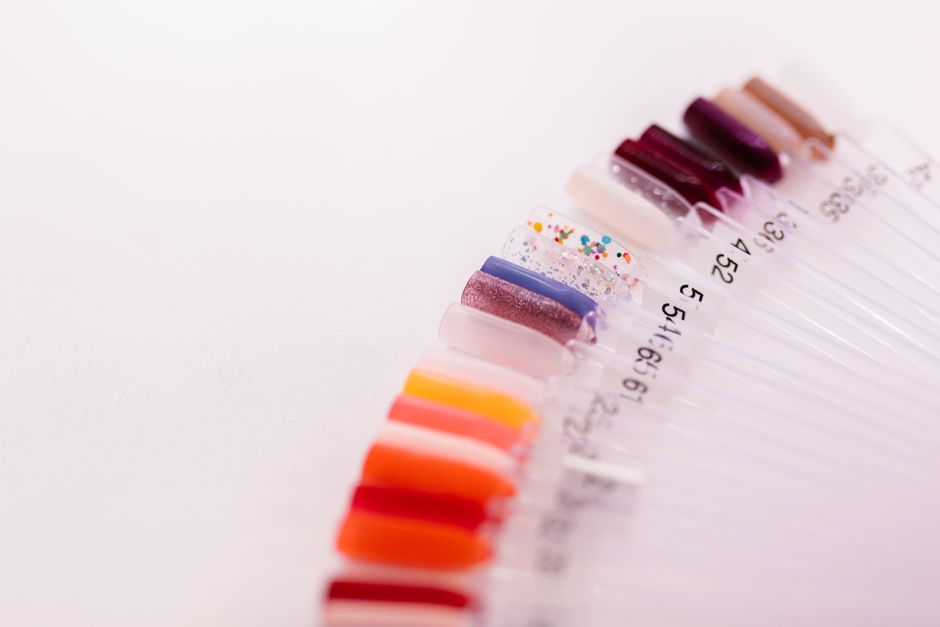
The nail polish landscape for 2026 is all about bold self-expression and versatile neutrals that work across seasons. You’ll see **chrome finishes** dominating social feeds, alongside unexpected color combinations like lavender-gray hybrids and warm terracottas. These shades reflect a shift toward colors that transition seamlessly from professional settings to evening events.
Seasonal palettes offer distinct mood shifts throughout the year. Spring 2026 brings soft **pistachio greens** and buttery yellows that feel fresh without being overly pastel. Summer leans into vivid corals and electric blues that pop against sun-kissed skin. Fall introduces deep plums and burnt oranges with metallic undertones, while winter showcases rich burgundies and icy silvers that complement holiday styling.
Your skin tone plays a crucial role in how colors appear on your nails. If you have **cool undertones** (pink or blue-based), reach for berry shades, true reds, and jewel tones like sapphire or emerald. Warm undertones (yellow or golden-based) look stunning in peachy nudes, coral pinks, and earthy browns. Neutral undertones have the flexibility to wear virtually any shade, though dusty roses and soft mauves tend to be universally flattering.
Finish selection dramatically changes your manicure’s final impact. **Matte finishes** create a sophisticated, modern look that hides minor imperfections and works beautifully for everyday wear. Glossy formulas deliver classic shine and make colors appear more vibrant and dimensional. Metallic and chrome finishes add drama and texture, catching light with every hand movement—perfect for statement nails or accent fingers.
Formula quality matters more than ever in 2026. Look for **long-wear nail lacquers** with gel-like properties that promise 7-10 days of chip-free wear. Formulas with strengthening ingredients like biotin or keratin help protect your nails while delivering color. Quick-dry technologies save time during application, and many brands now offer vegan and cruelty-free options that perform just as well as traditional formulas.
Prepping Your Nails for Polish Application
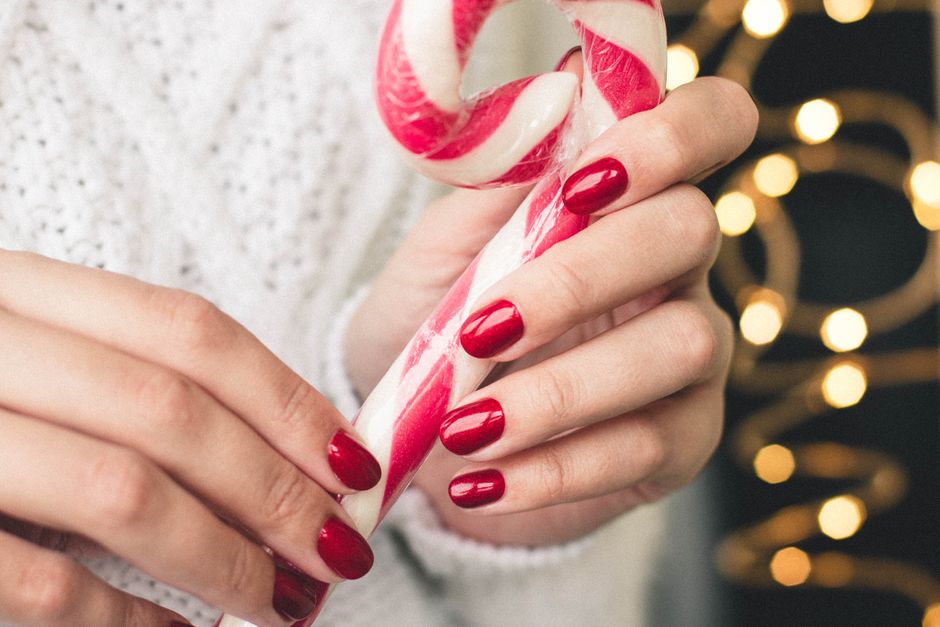
Proper nail preparation is the foundation of any long-lasting manicure. Clean nails free from oils and residue allow polish to adhere properly and prevent premature chipping. You’ll get significantly better results when you invest five extra minutes in prep work rather than rushing straight to color application.
Start by removing any existing polish completely using an **acetone-free nail polish remover**. These gentler formulas prevent excessive drying while still effectively dissolving color. Wash your hands thoroughly with soap and water to eliminate surface oils, then dry completely. Use a nail brush to clean under your nails and remove any debris trapped at the edges.
Cuticle care separates amateur manicures from professional-looking results. Soak your fingertips in warm water for 2-3 minutes to soften the cuticle tissue. Apply a **cuticle remover gel** and let it sit for 30-60 seconds to dissolve dead skin. Gently push cuticles back using a rubber-tipped cuticle pusher or wooden orange stick—never use metal tools that can damage the nail matrix. Trim only hanging skin with cuticle nippers, avoiding the living cuticle seal that protects against infection.
Moisturizing treatments strengthen your nails and create a smooth canvas for polish. Apply **cuticle oil** or a rich hand cream, massaging it into the nail bed and surrounding skin. Let it absorb for a minute, then wipe your nails with rubbing alcohol or nail dehydrator to remove any remaining oils from the nail plate. This final step ensures maximum polish adhesion without compromising the hydration benefits to surrounding skin.
Editor’s pick: strengthening nail base coat — see current prices and reviews.
Shaping and Filing Your Nails
Nail shape trends for 2026 favor versatility and practicality over extreme lengths. The **squoval shape**—a soft square with slightly rounded edges—dominates because it suits most finger types and resists breakage better than sharp corners. Almond and oval shapes remain popular for those wanting a more feminine, elongating effect that’s still wearable for daily tasks.
Proper filing technique prevents splitting and damage that undermines your manicure. Always file in one direction rather than sawing back and forth, which creates microscopic tears in the nail plate. Start from the outer edge and move toward the center, using smooth, even strokes. Hold your **glass or crystal nail file** at a 45-degree angle under the nail tip for the cleanest edge.
Investing in quality nail shaping tools makes the process faster and more precise. Glass files create the smoothest edge and never dull, though they work more slowly than traditional emery boards. For quick shaping, a 180-grit emery board offers the right balance of effectiveness without being too abrasive. Keep a **4-way buffer block** handy to smooth any rough spots and create an even surface texture.
Avoid common filing mistakes that weaken your nails over time. Never file immediately after showering or washing dishes when nails are soft and prone to splitting. Don’t file too aggressively at the sides, which thins the nail and creates weak points. If you’re growing out your nails, file only when necessary—excessive filing removes length you’ve worked hard to gain and can thin the free edge.
Applying a Base Coat for Longer-Lasting Nail Polish
A base coat is non-negotiable if you want your manicure to last beyond three days. This protective layer creates a smooth, even surface that helps colored polish glide on uniformly. It also prevents **staining** from deeply pigmented shades like reds, oranges, and dark berries that can leave your natural nails discolored.
Different nail types benefit from specialized base coat formulas. If you have **weak or peeling nails**, choose a strengthening base coat with nylon fibers or calcium. Ridged nails need a ridge-filling formula that creates a smooth canvas. For naturally oily nail beds that reject polish quickly, a dehydrating or primer-style base coat maximizes adhesion.
Application technique affects how well your base coat performs. Start with a thin layer—thick coats take longer to dry and can cause bubbling. Brush from cuticle to tip in three strokes: center, left side, right side. **Cap the free edge** by running the brush along the nail tip, sealing the end where chipping typically starts. Let it dry for 60-90 seconds before applying color.
Extending base coat longevity requires proper storage and replacement timing. Keep your base coat tightly sealed and stored upright in a cool, dark place away from direct sunlight. If the formula becomes thick or stringy, it’s time to replace it—typically every 12-18 months. Adding nail polish thinner can revive slightly thickened formulas, but never use nail polish remover, which breaks down the formula irreversibly.
Choosing and Applying the Perfect Nail Polish Color
Selecting the right shade involves considering your undertones, lifestyle, and the occasion. For everyday wear, choose **sheer nudes or soft pinks** that complement your natural skin color and work with any outfit. Statement colors like deep reds or bold metallics suit special occasions when you want your nails to be a focal point. Consider your wardrobe—if you wear lots of neutrals, a pop of color on your nails adds personality.
Application technique dramatically impacts your final result. Start with thin coats rather than one thick layer—this prevents bubbling, ensures even drying, and actually covers better. Load the brush with just enough polish to cover the nail in three strokes without flooding the cuticles. The first stroke should land slightly away from the cuticle, then push back toward it before sweeping forward.
Brush control separates good manicures from great ones. Hold the brush at a low angle, almost parallel to the nail, for better control and coverage. Use the **three-stroke method**: one down the center, then one along each side. If you have wider nail beds, you may need four or five strokes for complete coverage. Always cap the free edge with each coat to seal the color and prevent tip wear.
Mistakes happen even with careful application. If polish floods your cuticles, dip a small cleanup brush or angled eyeliner brush in nail polish remover and trace around the edges while the polish is still wet. For smudges on the nail surface, wait until completely dry, then gently buff with a fine-grit buffer and reapply a thin coat. **Nail polish corrector pens** with precision tips make cleanup quick and mess-free without disturbing surrounding polish.
Finishing with a Top Coat for Shine and Protection
Top coat is your manicure’s armor against chips, scratches, and daily wear. This final layer seals in your color, adds dimension, and can transform the finish from glossy to matte depending on the formula you choose. Without a quality top coat, even the best nail polish will chip within 2-3 days of normal activity.
Finish selection changes your manicure’s entire aesthetic. **Glossy top coats** deliver traditional high-shine that makes colors appear richer and more saturated. Matte top coats create a velvety, modern finish that’s particularly striking over bright colors or pastels. Metallic or shimmer top coats add sparkle and dimension without committing to a fully glittery nail.
Application timing and technique matter significantly. Wait 2-3 minutes after your final color coat before applying top coat—if the color isn’t dry enough, the top coat can drag and create bald spots. Use slightly thicker coats than you did with color, covering the entire nail in smooth, even strokes. **Cap the free edge thoroughly** with top coat since this area experiences the most stress and wear.
Extending your manicure’s life means reapplying top coat every 2-3 days. This refresher coat seals any micro-chips and restores shine that dulls with exposure to water and cleaning products. Quick-dry top coats can cut drying time to under five minutes, but traditional formulas often provide better chip resistance. For maximum durability, look for top coats labeled **”gel-effect”** or “long-wear” that create a harder, more protective finish.
Maintaining Your Nail Polish for Longer Wear
Your manicure’s longevity depends largely on how you treat your nails in the days following application. The first 12 hours are critical—avoid hot water, which causes nails to expand and contract, breaking the polish seal. Wear gloves when washing dishes, cleaning, or doing any wet work that exposes your nails to harsh chemicals and prolonged moisture.
Chipping typically starts at the tips where your nails contact surfaces constantly. Prevent this by being mindful of how you use your hands. Use the pads of your fingers rather than your nails to open cans, type on keyboards, or press buttons. **Reapply top coat** every 2-3 days to reinforce the protective layer and seal any minor wear before it becomes a visible chip.
Proper removal prevents damage that weakens nails for your next manicure. Soak cotton pads in nail polish remover, place them on your nails, and wrap each finger in aluminum foil. Wait 5-10 minutes, then gently slide the cotton pad toward the tip—the polish should come off with minimal rubbing. For stubborn glitter or gel formulas, you may need to repeat the process.
Between manicures, focus on nail health to create the best foundation for your next application. Apply **cuticle oil** daily to keep the nail bed and surrounding skin hydrated. Take biotin supplements or eat foods rich in keratin-building nutrients like eggs, salmon, and nuts. Avoid using your nails as tools, and give them a polish break every few months to let them breathe and recover.
Frequently Asked Questions
What are the most popular nail polish colors for 2026?
The hottest shades for 2026 include chrome silvers, lavender-gray hybrids, and warm terracotta tones that work across seasons. Spring and summer favor soft pistachio greens and vivid corals, while fall and winter lean into deep plums and icy metallics. These colors complement various skin tones and transition easily between casual and formal settings, making them versatile choices for your collection.
How can I make my nail polish last longer?
Maximize wear time by properly prepping your nails with a dehydrator, applying thin coats of color, and sealing everything with a quality top coat. Reapply top coat every 2-3 days to maintain the protective barrier. Wear gloves during wet work and avoid exposing your manicure to hot water in the first 12 hours. Using strengthening treatments between manicures also creates healthier nails that hold polish better.
What is the best way to remove nail polish without damaging my nails?
Use the **foil wrap method** with acetone-free remover for the gentlest removal. Soak cotton pads in remover, place them on your nails, and wrap each finger in foil for 5-10 minutes. The polish should slide off with minimal rubbing, which prevents the scraping and excessive friction that damages the nail plate. Follow removal with cuticle oil and hand cream to restore moisture and keep your nails strong for the next application.
Affiliate Disclosure: This post contains affiliate links. We may earn a commission if you buy through our links, at no extra cost to you.
Leave a Reply