
Top 3 Product Recommendations
| Product Name | Rating | Key Feature | Est. Price | Action |
|---|---|---|---|---|
| CeraVe Moisturizing Cream | Amazon Best S r | #1 bests r — dermatologist-recommended barrier repair | $17–$19 | Check Lowest Price on Amazon |
| La Roche-Posay Toleriane Cleanser | Amazon Best S r | Top-rated gentle face wash for US sensitive skin | $15–$18 | Check Lowest Price on Amazon |
| Maybelline Lash Sensational Mascara | Amazon Best S r | Amazon beauty bests r — volume without clumps | $9–$12 | Check Lowest Price on Amazon |
How to Dress Like a Red Carpet Celebrity
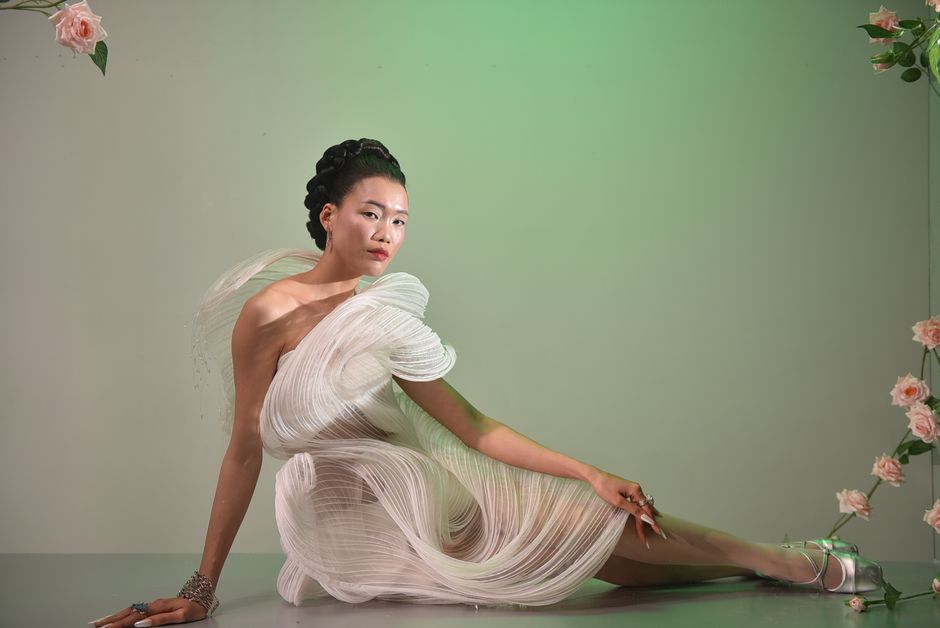
You don’t need a six-figure wardrobe to capture that award-show elegance. **Celebrity stylists** consistently emphasize one core principle: confidence comes from clothes that fit your body perfectly. Start by identifying your silhouette—whether you’re highlighting curves, creating balance, or elongating your frame—and choose cuts that enhance rather than hide your natural shape.
**Tailoring transforms ordinary pieces into red-carpet contenders.** Even a moderately priced gown or suit becomes extraordinary when adjusted to your measurements. Focus on hemlines that hit at the most flattering point, shoulders that align precisely, and waistlines that sit where they should. Professional alterations typically cost a fraction of the garment itself but deliver the polished finish that separates everyday wear from spotlight-ready style.
**Accessories provide the final layer of sophistication.** Think strategic, not excessive—a statement earring paired with a sleek updo, a bold cuff with a strapless neckline, or classic pumps that elongate the leg line. Each piece should serve a purpose, whether drawing attention to your face, balancing proportions, or adding a pop of personality without competing with your outfit’s focal point.
The Best Colors for Your Skin Tone
**Understanding your undertones unlocks your most flattering color palette.** Hold a white piece of paper near your face in natural light—if your skin appears yellowish or golden, you have warm undertones; if it looks pink or bluish, you lean cool. Neutral undertones show a balanced mix of both. This simple test guides every color decision you make, from gowns to accessories.
Warm-toned individuals shine in earthy hues like **terracotta, olive, warm reds, and golden yellows**. Cool-toned skin comes alive in jewel tones—sapphire blue, emerald green, ruby red, and icy pastels. Neutral undertones enjoy the widest range, able to wear both warm and cool shades with equal success. For 2026 Oscar-inspired looks, rich burgundies and deep forest greens dominate, working beautifully across most skin tones when chosen in the right intensity.
**Mixing and matching colors requires attention to harmony and contrast.** Pair analogous colors (neighbors on the color wheel) for sophisticated subtlety, or try complementary opposites for dramatic impact. A classic approach combines one bold statement color with two neutrals—imagine a cobalt dress with nude shoes and silver jewelry. Monochromatic looks in varying shades of one color create elongating, editorial effects perfect for formal occasions.
Editor’s pick: formal evening gown — see current prices and reviews.
Mastering the Art of Layering
Layering adds dimension and sophistication to any outfit, but the technique demands precision. **Start with your thinnest, most form-fitting base layer** and build outward with progressively looser pieces. A silk camisole under a tailored blazer, topped with a structured coat, creates depth without bulk. Each layer should remain visible—whether through contrasting hemlines, open fronts, or strategic sleeve lengths.
**Fabric selection determines whether layers look intentional or chaotic.** Combine different textures for visual interest: smooth satin against matte crepe, soft cashmere over crisp cotton, or structured tweed paired with fluid silk. Avoid layering multiple bulky knits or heavy fabrics, which add unwanted volume. For award-show-inspired styling, consider sheer overlays, cape details, or lightweight dusters that provide coverage while maintaining an elegant silhouette.
**Keep layered outfits streamlined by managing proportions carefully.** If your top layers are voluminous, choose fitted bottoms. Wide-leg trousers pair beautifully with tailored, body-skimming tops. Ensure sleeves don’t bunch awkwardly under jackets by choosing three-quarter or bracelet lengths for inner layers. The goal is polished complexity, not accidental bulk—each layer should serve a clear aesthetic purpose.
The Power of a Great Fit
**Fit matters more than brand, price, or trend status.** A well-fitted piece from a moderate retailer will always outperform an expensive designer garment that sags, pulls, or bunches in the wrong places. When shopping, move naturally in the garment—sit, raise your arms, walk—to ensure comfort alongside aesthetics. Seams should sit where your body naturally transitions, and closures should fasten without straining.
Different body shapes require specific fit considerations. **Pear shapes benefit from fitted tops and structured shoulders** that balance wider hips. Apple shapes look best in pieces that skim the midsection without clinging, often with defined waists created through seaming or belts. Hourglass figures shine in tailored, curve-hugging silhouettes, while rectangular shapes create dimension through peplums, ruffles, and color blocking.
**Alterations turn good fits into perfect ones.** Common adjustments include hemming pants and sleeves, taking in waists, adjusting shoulder seams, and tapering pant legs. Many formal pieces come with extra fabric specifically for customization. Budget $20-$60 for basic alterations and $100+ for complex restructuring. This investment pays dividends every time you wear the garment with complete confidence.
Timeless vs. Trendy: Finding the Balance
Building a versatile wardrobe means investing strategically in both categories. **Classic pieces form your foundation**—a well-cut blazer, tailored trousers, a little black dress, quality leather shoes, and a structured handbag. These items transcend seasons and work across multiple occasions, providing reliable options year after year. Allocate 70-80% of your budget here, choosing neutral colors and quality construction.
**Trendy pieces inject personality and current relevance** without requiring long-term commitment. For 2026, expect to see dramatic sleeves, asymmetric hemlines, sustainable fabrics, and bold metallics. Incorporate these through lower-investment items like statement accessories, seasonal tops, or rental pieces for special occasions. This approach lets you participate in fashion conversation without overhauling your entire closet annually.
The sweet spot combines both approaches in single outfits. Pair a **timeless silk blouse with on-trend wide-leg trousers**, or style a classic pencil skirt with a currently fashionable cropped blazer. This mixing prevents your look from feeling dated or costume-like while ensuring versatility. When a trend truly resonates with your personal style, invest in a quality version that you’ll wear beyond its peak popularity.
The Importance of Accessories
Accessories transform outfits from simple to spectacular with minimal effort. **The right jewelry, shoes, bag, and belt can completely shift an outfit’s mood**—from corporate to cocktail, casual to elegant. For red-carpet-inspired looks, focus on statement pieces that complement rather than compete. If wearing bold earrings, skip the necklace. A dramatic necklace pairs best with simple studs or bare ears.
**Shoes deserve particular attention for formal occasions.** Classic pumps in nude or black elongate legs and work with virtually any dress or suit. Metallic heels add glamour without clashing with colorful outfits. For 2026, expect strappy sandals, architectural heels, and elegant slingbacks to dominate award-show styling. Prioritize comfort alongside beauty—you should walk confidently, not hobble.
**Bags and belts provide functional polish.** Clutches and minaudières suit evening wear, while structured handbags transition from day to night. Belts define waistlines, add color pops, and create shape in otherwise shapeless garments. Keep a collection of versatile accessories in metallics, black, and nude—these work across your wardrobe without requiring perfect color matching. Build from there with seasonal statement pieces.
Styling Tricks for a Flawless Look
**Achieving polished style requires attention to finishing details.** Always steam or iron garments before wearing—wrinkles undermine even the most expensive outfit. Check hems for loose threads, buttons for security, and zippers for smooth operation. Remove visible tags, lint, and pet hair. These small efforts create a groomed, intentional appearance that reads as effortless elegance.
Avoid common styling mistakes that sabotage otherwise strong outfits. **Never leave shoe stickers on soles**, ensure undergarments remain invisible, and match metal tones in accessories (all gold or all silver, not mixed unless intentionally layered). Proportions matter—if wearing volume on top, balance with fitted bottoms, and vice versa. When in doubt, remove one accessory before leaving the house.
**Grooming amplifies your fashion choices significantly.** Well-maintained hair, neat nails, and fresh makeup complete the picture. For award-show-inspired looks, consider sleek updos, Hollywood waves, or polished straight styles that showcase your outfit’s neckline. Skin should look healthy and hydrated—use illuminating products for a subtle glow. Remember that fashion and beauty work together; neither exists in isolation when creating memorable style moments.
Frequently Asked Questions (FAQ)
Q: What are some affordable ways to achieve a celebrity-inspired look?
A: Focus on fit and tailoring rather than designer labels. **Shop sales at quality retailers**, use clothing rental services for special occasions, and invest in alterations for key pieces. Accessories from mid-range brands often rival luxury versions in appearance. Copy the silhouette and color palette of celebrity looks rather than exact garments—the overall effect matters more than specific brands.
Q: How can I make sure my accessories don’t clash with my outfit?
A: Follow the **rule of three**: choose no more than three statement accessories per outfit. Match metal tones (gold with gold, silver with silver) unless deliberately mixing for effect. Let one piece dominate—if wearing bold earrings, keep other jewelry minimal. Ensure accessory colors either match an existing outfit color or work as neutrals. When uncertain, classic metals and nude tones rarely clash.
Q: What are some tips for dressing for different body types and shapes?
**A: Identify your body shape first**—pear, apple, hourglass, rectangle, or inverted triangle. Pears should emphasize shoulders and upper body while choosing structured bottoms. Apples look best in empire waists and pieces that define below the bust. Hourglasses shine in fitted, curve-following silhouettes. Rectangles create shape through belts, peplums, and color blocking. Inverted triangles balance broad shoulders with volume or detail on the lower half. Always prioritize fit over trend—clothes should skim your body comfortably without excessive tightness or bagginess.
Affiliate Disclosure: This post contains affiliate links. We may earn a commission if you buy through our links, at no extra cost to you.
Leave a Reply