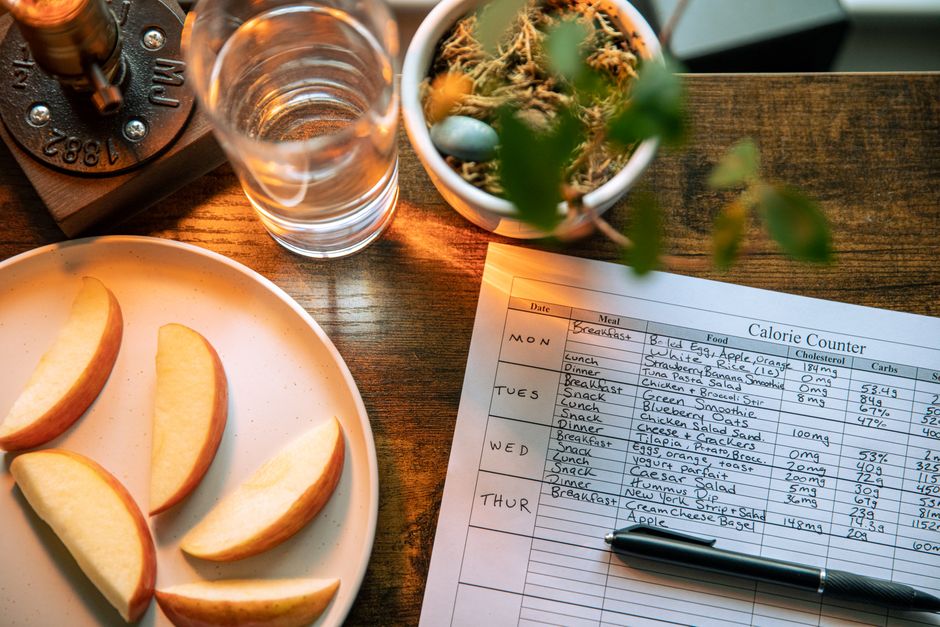
Healthy Breakfast Ideas for a Weight-Loss-Friendly Morning
Starting your day with a **protein-rich, fiber-packed breakfast** is one of the most effective strategies in any sustainable weight loss meal plan for busy moms. Research consistently shows that eating a balanced breakfast reduces mid-morning cravings and helps regulate blood sugar levels throughout the day. When your blood sugar stays steady, you’re far less likely to reach for a sugary snack by 10 a.m.
The good news is that a healthy breakfast doesn’t have to take 30 minutes to prepare. Options like **Greek yogurt with berries**, overnight oats with chia seeds, or a two-egg scramble with spinach can be ready in under five minutes. Batch-cooking hard-boiled eggs on Sunday night gives you grab-and-go protein all week long.
The biggest breakfast mistake busy moms make is defaulting to **sugary cereals, pastries, or flavored coffee drinks** that spike insulin and leave you hungry within an hour. Swap those out for whole foods with at least 15–20 grams of protein and you’ll notice a real difference in your energy and appetite control.
- **High-protein picks:** eggs, Greek yogurt, cottage cheese, protein smoothies
- **Fiber boosters:** oats, chia seeds, fresh berries, whole-grain toast
- **Skip these:** frosted cereals, flavored instant oatmeal, breakfast bars with added sugar
—
Quick pick: Compare top-rated Weight Loss options.
Balanced Lunch Choices That Keep You Full
Lunch is where a lot of moms fall off track — either skipping it entirely or grabbing fast food out of convenience. Both choices work against your **sustainable weight loss** goals. A well-constructed lunch should include a lean protein, a complex carbohydrate, healthy fat, and plenty of vegetables.
**Meal prepping lunches on Sunday or Monday morning** is the single most effective habit you can build. Portion out grain bowls, mason jar salads, or turkey and veggie wraps into containers so lunch is a grab-and-go situation rather than a last-minute decision. When healthy food is just as convenient as fast food, you’ll consistently choose it.
Aim to fill **half your plate with non-starchy vegetables**, a quarter with lean protein like grilled chicken, canned tuna, or legumes, and a quarter with a fiber-rich carb like brown rice or quinoa. This structure naturally keeps calories in check without obsessive counting.
- **Lean protein options:** grilled chicken, canned salmon, hard-boiled eggs, chickpeas
- **Smart carbs:** quinoa, brown rice, whole-grain wraps, lentils
- **Vegetables to load up on:** spinach, cucumber, bell peppers, broccoli, shredded cabbage
—
Smart Snacking Habits That Support Your Goals
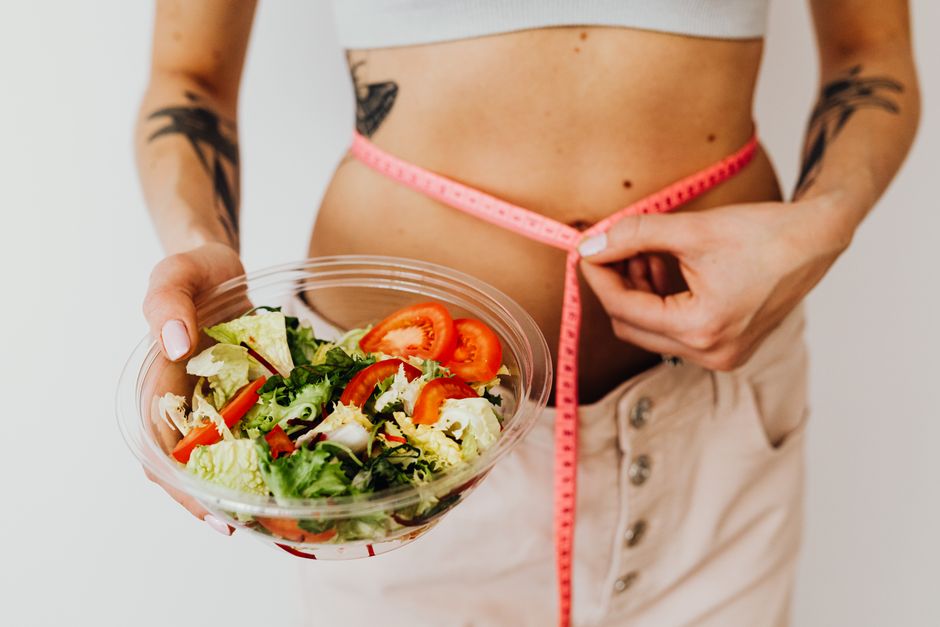
Snacking gets a bad reputation, but **strategic snacking** is actually a tool for weight management, not a setback. The problem isn’t snacking itself — it’s mindless snacking in front of the TV or emotional eating during stressful parenting moments. Becoming aware of *why* you’re reaching for food is the first step.
Choose snacks that combine **protein and fiber** to maximize satiety between meals. An apple with almond butter, a handful of walnuts with string cheese, or hummus with sliced vegetables will hold you over far better than crackers or chips. Keep these options pre-portioned in the fridge so they’re just as easy to grab as a bag of pretzels.
**Portion control** is critical even with healthy snacks. A serving of nuts is about a small handful — not the whole bag. Using small snack containers or zip-lock bags to pre-portion your snacks removes the guesswork and prevents overeating, especially on hectic days.
- **Filling snack combos:** apple + nut butter, veggies + hummus, cottage cheese + pineapple
- **Watch out for:** “healthy” granola bars with 20g sugar, flavored rice cakes, dried fruit in large portions
- **Mindless eating triggers:** stress, boredom, screen time — identify yours and plan around them
—
Nutrient-Dense Dinner Recipes for Weeknight Success
Dinner is often the most chaotic meal in a busy mom’s day, which makes it the highest-risk meal for **calorie-dense convenience choices**. The solution isn’t complicated recipes — it’s a small rotation of simple, whole-food dinners you can execute in 30 minutes or less. Sheet pan meals, one-pot soups, and stir-fries are your best friends.
Build every dinner around a **lean protein** (chicken breast, ground turkey, salmon, tofu), a **whole grain or starchy vegetable** (sweet potato, brown rice, farro), and two or more vegetables. This framework works for virtually any flavor profile — Mexican, Asian, Mediterranean — so your family won’t feel like they’re eating “diet food.”
Minimize **saturated fat and added sugar** at dinner by choosing olive oil over butter, baking or roasting instead of frying, and seasoning generously with herbs and spices rather than heavy sauces. A well-seasoned simple meal is far more satisfying than a bland low-calorie plate.
| Protein | Whole Grain/Starch | Vegetables |
|---|---|---|
| Grilled salmon | Brown rice | Roasted broccoli |
| Ground turkey | Sweet potato | Sautéed spinach |
| Baked chicken breast | Quinoa | Roasted bell peppers |
| Tofu | Farro | Stir-fried bok choy |
| Shrimp | Cauliflower rice | Zucchini + cherry tomatoes |
—
Meal Planning and Preparation: Your Weekly Game Plan
**Meal planning is the backbone** of any sustainable weight loss strategy for moms who are short on time. Without a plan, you’re making food decisions when you’re tired, hungry, and surrounded by your kids’ requests — which is never a recipe for good choices. Spending 20–30 minutes planning your week on Saturday or Sunday pays dividends every single day.
Start with a simple weekly template: map out dinners first (since those require the most effort), then plan lunches around leftovers, and keep breakfasts and snacks on a standard rotation. Write your grocery list directly from your meal plan so you only buy what you need. This also reduces food waste and saves money.
**Batch cooking** a few staple ingredients — a pot of grains, roasted vegetables, a tray of baked protein — means assembly takes minutes rather than cooking from scratch. Store prepped components in clear containers in the fridge so they’re visible and easy to reach. A well-stocked, organized fridge is one of the most underrated weight-loss tools available.
- **Weekly prep essentials:** cooked grains, washed and chopped vegetables, portioned proteins
- **Time-saving tools:** slow cooker, instant pot, sheet pans, meal prep containers
- **Grocery tip:** shop the perimeter of the store first — that’s where the whole foods live
—
Hydration and Healthy Beverages
**Drinking enough water** is one of the simplest and most overlooked aspects of a weight loss plan. Studies show that drinking a glass of water before meals can reduce calorie intake by helping you feel fuller faster. Many moms mistake thirst for hunger, leading to unnecessary snacking throughout the day.
The general recommendation is **eight 8-ounce glasses per day**, but active moms or those in warmer climates may need more. Carrying a large reusable water bottle and setting hourly reminders on your phone are low-effort ways to hit your hydration goals consistently. Make it a habit to drink a glass of water first thing in the morning before coffee.
Cut out **sugary drinks** — sodas, sweetened iced teas, flavored lattes, and fruit juices — which can add hundreds of empty calories without providing any satiety. Replace them with herbal teas, sparkling water with a squeeze of lemon, or infused water with cucumber and mint. These swaps alone can create a meaningful calorie deficit over time.
- **Best hydration choices:** plain water, sparkling water, herbal tea, black coffee (in moderation)
- **Drinks to limit:** soda, fruit juice, energy drinks, sweetened coffee beverages
- **Hydration hack:** add electrolyte powder (no added sugar) to water on high-activity days
—
Mindful Eating Habits That Change Your Relationship With Food
**Mindful eating** means slowing down and paying full attention to the experience of eating — the flavors, textures, and your body’s hunger and fullness signals. This practice has strong scientific backing for supporting weight loss because it helps you recognize when you’re actually satisfied, rather than eating past fullness out of habit or distraction.
One practical starting point is to **put your fork down between bites** and chew each mouthful thoroughly before taking the next. It sounds overly simple, but most of us eat at a pace that outstrips our brain’s ability to register fullness — which takes about 20 minutes from the start of a meal. Slowing down closes that gap.
Eliminate **distractions during meals** as much as your family schedule allows. Eating while scrolling your phone or watching TV is consistently linked to overconsumption in nutrition research. Even five minutes of screen-free eating at lunch can help you tune back into your body’s cues and feel more satisfied with less food.
- **Mindful eating practices:** eat slowly, chew thoroughly, pause between bites
- **Hunger scale:** aim to start eating at a 3–4 (moderately hungry) and stop at a 6–7 (comfortably full)
- **Emotional eating check:** ask yourself “Am I physically hungry?” before reaching for a snack
—
Physical Activity and Exercise: Finding Movement That Fits Your Life
No weight loss meal plan works in isolation — **regular physical activity** amplifies your results and supports long-term weight management. The good news for busy moms is that you don’t need a gym membership or two-hour workout sessions. Consistency with shorter, enjoyable movement is far more effective than sporadic intense workouts.
The **CDC recommends 150 minutes of moderate-intensity aerobic activity per week** for adults — that breaks down to just 30 minutes, five days a week. A brisk walk pushing a stroller, a 20-minute YouTube workout during nap time, or a bike ride with your kids all count. The best exercise is the one you’ll actually do.
Look for opportunities to **incorporate movement into your existing routine**. Take the stairs, park farther from the entrance, do a set of squats while waiting for the coffee to brew, or walk to school pickup instead of driving. These micro-movements add up meaningfully over the course of a day and keep your metabolism active without requiring dedicated workout time.
- **Beginner-friendly options:** walking, yoga, cycling, dance videos at home
- **Strength training note:** adding 2x/week resistance training preserves muscle during weight loss
- **Family-friendly movement:** bike rides, swimming, hiking, backyard sports
> *Please note: This article is for general informational purposes only and is not a substitute for professional medical or nutritional advice. Consult your healthcare provider before starting any new diet or exercise program.*
—
Frequently Asked Questions (FAQ)
Q: What is the recommended daily calorie intake for weight loss?
A: Most nutrition guidelines suggest a **deficit of 500–750 calories per day** below your maintenance level to lose approximately 1–1.5 pounds per week. For most moderately active adult women, this falls in the range of 1,400–1,800 calories daily, but individual needs vary based on height, weight, activity level, and health status. Always consult a registered dietitian for a personalized recommendation.
Q: How can I ensure I’m getting enough nutrients while on a weight loss meal plan?
A: Focus on **nutrient density over calorie restriction** — prioritize vegetables, lean proteins, whole grains, legumes, and healthy fats. Eating a wide variety of colorful produce covers most micronutrient bases. If your calorie intake drops significantly, a basic daily multivitamin can help fill gaps, but whole foods should always be your primary source of nutrition.
Q: What are some healthy and easy meal prep ideas for busy moms?
A: Some of the most practical options include **overnight oats** (prep 5 jars on Sunday for the whole week), grain bowls with pre-cooked quinoa and roasted vegetables, sheet pan chicken and veggies (one 45-minute session feeds the family for two nights), and mason jar salads layered with dressing on the bottom to stay fresh for 3–4 days. Keep it simple, repeat what works, and build your rotation gradually.
Top Product Recommendations
| Product Name | Rating | Key Feature | Est. Price | Action |
|---|---|---|---|---|
| Top-rated meal prep containers with lids | ★★★★★ | Editor-recommended meal prep containers with lids from this guide | $18–$42 | Check Lowest Price on Amazon |
| Best-value reusable large water bottle with time markers | ★★★★☆ | Affordable reusable large water bottle with time markers — strong everyday results | $12–$28 | Check Lowest Price on Amazon |
| Premium portion control food storage containers | ★★★★☆ | Higher-end portion control food storage containers for visible, lasting results | $45–$95 | Check Lowest Price on Amazon |
Affiliate Disclosure: This post contains affiliate links. We may earn a commission if you buy through our links, at no extra cost to you. Medical Disclaimer: This content is for informational purposes only and is not medical advice. Consult a healthcare professional before changing diet or exercise.
Leave a Reply