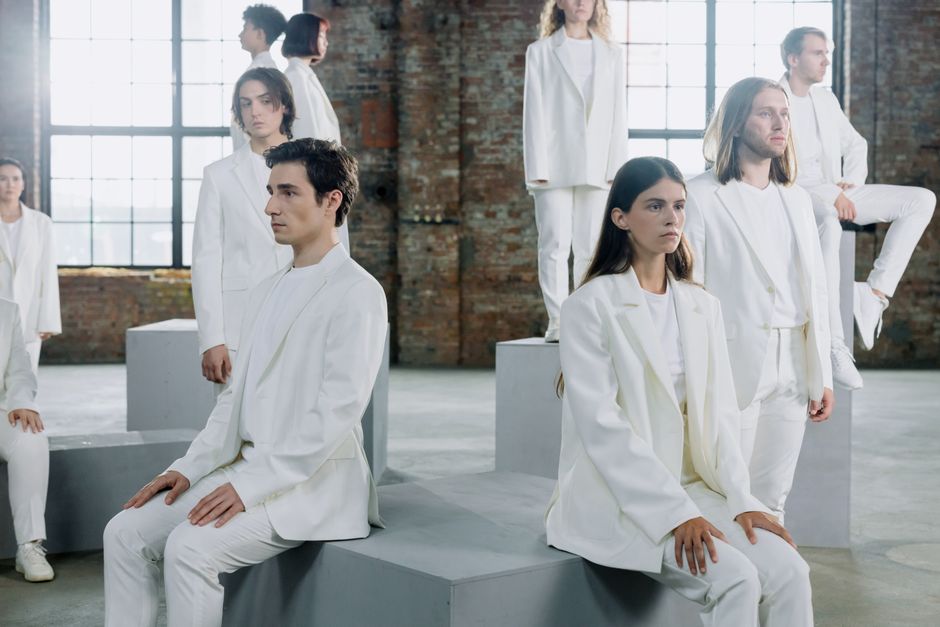
European Minimalist Fashion Trends for Spring 2026
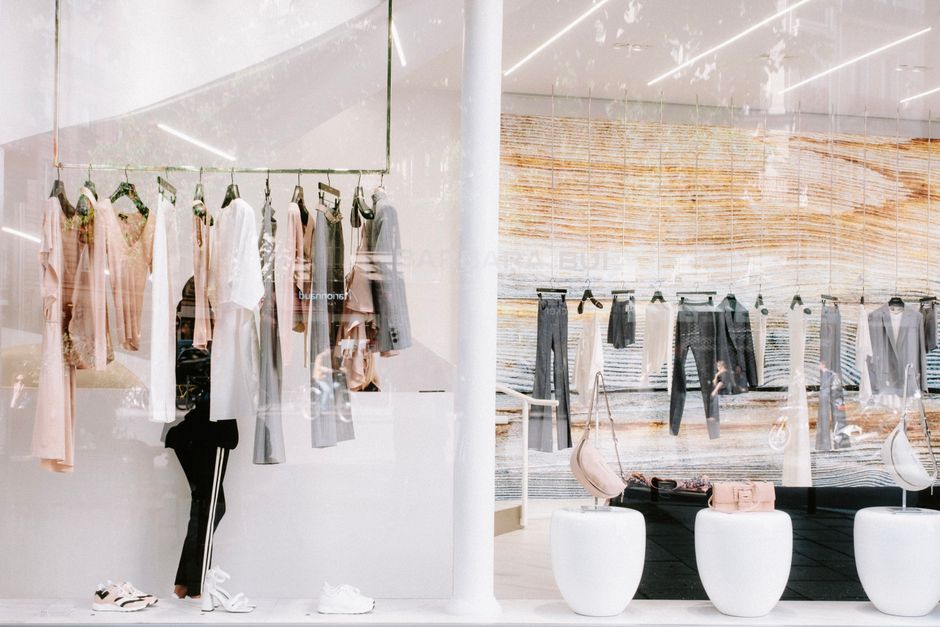
If you’ve ever stood in a European city square and felt oddly overdressed — or underdressed — you’ve already sensed the quiet power of **european minimalist fashion trends spring 2026**. European style isn’t loud. It doesn’t try to impress. It simply *is*, and that effortless quality is exactly what’s driving the minimalist movement heading into the new season.
At its core, European minimalist fashion is about **intentional dressing**. Every piece earns its place in the outfit. Clean silhouettes, neutral palettes, and quality fabrics take center stage while excess falls away. For Spring 2026, the trend leans even further into understated elegance — think tailored linen trousers, relaxed blazers, and simple leather loafers doing all the heavy lifting.
Incorporating this look into your wardrobe doesn’t require a complete overhaul. Start by editing down to versatile basics, investing in a few well-cut staples, and resisting the urge to pile on. The sections below break down exactly what to leave at home — and what to pack instead.
—
Quick pick: Compare top-rated Europe Fashion options.
1. Overly Logistical Outfits
You know the look: cargo pants with twelve pockets, a vest covered in zip compartments, a belt bag clipped to another belt bag. While this style screams practical traveler, it signals **tourist** to every European on the street. Locals keep their essentials minimal and hidden — a slim wallet, a small crossbody, done.
Europeans gravitate toward streamlined dressing because their cities are designed for walking and café culture, not gear-heavy expeditions. An outfit with too many functional elements disrupts the visual calm that defines the aesthetic. It also tends to look bulky and unintentional, two things minimalist dressing actively avoids.
**The alternative:** Pack a slim-fit chino or tailored jogger with just two side pockets. Add a structured mini crossbody bag in a neutral tone. You’ll carry everything you need without the utilitarian bulk.
- Swap multi-pocket vests for a lightweight linen button-down
- Replace clip-on belt bags with a sleek leather shoulder bag
- Choose shoes that don’t have aggressive rubber soles or excess branding
—
2. Excessive Patterns and Designs
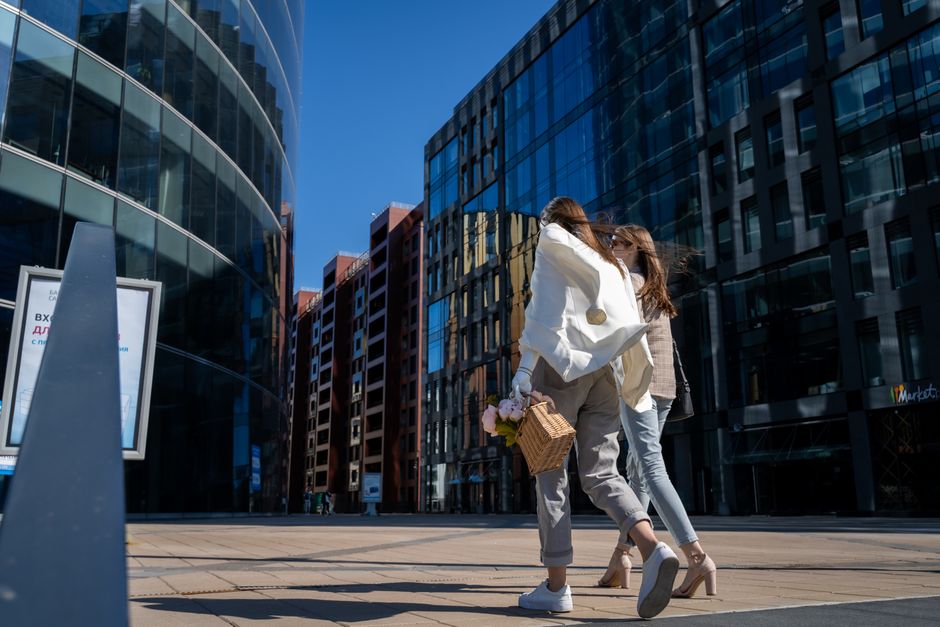
Loud, all-over prints — tropical florals, bold geometric repeats, head-to-toe novelty patterns — are a common American vacation staple that tends to clash hard with European sensibilities. In Paris, Milan, or Copenhagen, **pattern mixing is done with restraint**. If there’s a print, it’s usually one focal piece styled against solid neutrals.
The reason comes down to visual noise. Minimalist dressing prioritizes a calm, cohesive look. When every inch of your outfit is competing for attention, the overall effect feels chaotic rather than confident. Europeans dress like they have somewhere important to be — even when they’re just grabbing coffee.
For Spring 2026, subtle patterns are having a quiet moment: thin stripes, tone-on-tone textures, and delicate micro-prints in muted tones. These work beautifully within a minimalist framework.
**The alternative:** Choose one printed piece — a thin-stripe shirt or a softly patterned scarf — and build the rest of the outfit in solids.
- Stick to a maximum of one patterned item per outfit
- Opt for small-scale prints over large graphic repeats
- Pair any print with neutral trousers or a solid skirt
—
3. Neon Colors
Neon is fun at a music festival. In a European city center, it stands out for all the wrong reasons. **Bright neon yellow, electric pink, or highlighter green** tend to read as costume-like against the muted stone architecture and earth-toned street style of most European capitals.
European color palettes for Spring 2026 lean into soft, sophisticated tones: warm ecru, dusty rose, sage green, slate blue, and camel. These colors photograph beautifully against cobblestone backdrops and feel harmonious rather than jarring. They also make outfit-building far easier since everything coordinates naturally.
Neon isn’t inherently unwearable — but a single neon accent (a bag strap, a thin belt) tucked into an otherwise neutral outfit reads very differently than a full neon set.
**The alternative:** Reach for soft, warm neutrals or muted pastels. A dusty mauve linen dress or a sage green relaxed blazer will always look pulled-together in a European context.
- Build your travel capsule around a neutral base of white, beige, navy, and black
- Introduce color through accessories rather than statement pieces
- Test your color palette: if it glows under UV light, leave it home
—
4. Uncomfortable Shoes
Europe is a walking continent. Cobblestones, uneven pavement, steep staircases — your feet are going to earn their mileage. **Stilettos, platform flip-flops, and rigid dress shoes** that look great standing still become instruments of torture after two hours on a Roman street.
Europeans have mastered the art of the stylish walking shoe. Leather loafers, low-block-heel ankle boots, clean white leather sneakers, and woven ballet flats are wardrobe staples precisely because they marry form and function. Nobody sacrifices their evening because their shoes gave out at 3 PM.
For Spring 2026, the **leather loafer** is particularly dominant across European street style. It’s polished enough for a dinner reservation and practical enough for a museum afternoon.
**The alternative:** Pack one pair of well-broken-in leather loafers and one pair of sleek leather sneakers. Those two options will carry you through nearly every occasion.
- Break in any new shoes at home before your trip
- Choose footwear with cushioned insoles or removable inserts
- Avoid open-toe shoes in cities — practical and protective
—
5. Too Much Accessorizing
Stacking every bracelet you own, layering six necklaces, wearing statement earrings *and* a statement ring *and* a bold hair accessory — this maximalist approach to accessories reads as cluttered in a minimalist fashion context. Europeans follow a firm **edit-before-you-leave** rule when it comes to jewelry and accessories.
The guiding principle is simple: add one statement piece, then remove everything else that competes with it. A single gold chain necklace. One quality watch. Understated stud earrings. These choices feel intentional and refined rather than assembled in a rush.
For Spring 2026, delicate gold jewelry and architectural minimalist pieces are trending. Think a single sculptural ring or a thin chain layered with one pendant — not ten.
**The alternative:** Pack three or four versatile, quality accessories that work across multiple outfits rather than a jewelry box worth of options.
- Follow the “one statement piece” rule per outfit
- Choose accessories in metals that complement your neutral wardrobe palette
- A quality leather belt can elevate an outfit more than any stack of bracelets
—
6. Overly Casual Clothing
Athletic wear outside the gym — oversized sports jerseys, athletic shorts, thick-soled running shoes worn as everyday footwear — is one of the clearest markers of the American tourist abroad. Europeans dress **one level up** from what Americans might consider casual, even for relaxed weekend outings.
This doesn’t mean formal. It means thoughtful. A linen shirt instead of a graphic tee. Tailored wide-leg trousers instead of athletic shorts. Simple canvas sneakers instead of maximalist running shoes. The effort is minimal; the visual difference is significant.
European casual dressing for Spring 2026 centers on relaxed tailoring: soft-constructed blazers worn over a simple tee, flowy midi skirts with a tucked-in knit top, or clean straight-leg jeans paired with a structured bag.
**The alternative:** Replace one athletic piece per outfit with its elevated equivalent. Swap the hoodie for a lightweight knit cardigan. Swap the joggers for relaxed linen pants.
- Treat “smart casual” as your baseline, not the exception
- Reserve athletic wear for actual athletic activities
- A well-fitted white shirt solves more outfit problems than any other single piece
—
7. Outdated or Unflattering Clothing
There’s a difference between **timeless** and **dated**. Europeans have a strong instinct for the former and a low tolerance for the latter. Shapeless T-shirts in faded prints, mid-2000s bootcut jeans, and boxy, unflattering cuts tend to age an outfit in ways that no amount of styling can fix.
Minimalist dressing depends on fit above all else. A simple white tee in a perfect fit looks effortlessly chic. The same shirt in the wrong size looks like an afterthought. Europeans shop less but invest in pieces that genuinely work for their body — and they wear them for years.
For Spring 2026, **relaxed but intentional silhouettes** dominate. Wide-leg trousers with a defined waist, oversized blazers with fitted trousers underneath, and fluid midi dresses all follow the rule of contrast: if the top is relaxed, the bottom is more fitted, and vice versa.
**The alternative:** Before your trip, try on everything you plan to pack. If something doesn’t fit well or makes you feel uncertain, leave it behind.
- Prioritize fit over trendiness
- One well-tailored piece outperforms five ill-fitting ones
- A tailor can update older pieces — hemming trousers or taking in a blazer costs very little
—
8. Loud Prints and Logos
Visible logos — the kind that span a chest, repeat across a bag, or announce a brand name in three-inch letters — are the opposite of European minimalist sensibility. **Understated dressing** is a form of confidence: you don’t need a brand name to validate your outfit.
This applies to clothing and accessories alike. Logo-heavy handbags, monogram scarves worn as focal pieces, and brand-name athletic wear used as fashion statements all conflict with the quiet elegance Europeans prefer. The irony is that the most admired pieces on European streets often have zero visible branding at all.
For Spring 2026, **clean, unbranded basics** are central to the trend. A plain merino wool sweater, an unmarked leather tote, a simple linen trouser — these pieces read as high quality precisely because they let the fabric and cut speak for themselves.
**The alternative:** Pack pieces where the design does the work, not the label. Choose bags with clean lines and minimal hardware over logo-print options.
- Remove or minimize visible branding where possible
- Invest in quality fabrics that look expensive without announcing a price tag
- A subtle tonal logo is far less disruptive than a bold contrast print
—
9. Overly Revealing Clothing
While beach destinations have their own dress codes, most European cities — especially those with historic churches, cathedrals, and cultural sites — expect a **modest baseline** of dress. Very short hemlines, plunging necklines, and sheer fabrics without lining can attract unwanted attention and, in some venues, restrict your entry entirely.
Modesty in European dressing isn’t about covering up completely — it’s about proportion and context. A midi skirt is just as warm-weather-ready as a micro-mini but reads as infinitely more polished on a city street. A fitted blazer over a simple camisole is both stylish and appropriate for nearly any setting.
For Spring 2026, the **midi length** is the dominant silhouette across European cities. Flowing midi skirts, wide-leg trousers, and longer linen dresses all hit the sweet spot between seasonally appropriate and broadly accepted.
**The alternative:** Pack a lightweight linen midi skirt or wide-leg trousers as your warm-weather staple instead of reaching for shorter hemlines.
- Carry a lightweight scarf or wrap that can cover shoulders when entering cultural sites
- Opt for midi or maxi lengths in flowy fabrics for comfort and versatility
- A fitted blazer instantly elevates and contextualizes any outfit
—
10. Excessively Baggy or Ill-Fitting Clothing
There’s a fine line between the **intentional oversized silhouette** that’s very much on-trend and the kind of shapeless, ill-fitting clothing that simply looks accidental. Europeans read this distinction quickly. An oversized blazer worn with tailored trousers is a deliberate style choice. A shapeless oversized everything-outfit reads as unintentional.
Fit is the single most important factor in European dressing. It’s why a simple white shirt and straight-leg jeans can look stunning when both pieces fit correctly — and why the same combination falls flat when they don’t. Proportion and intentionality are everything.
For Spring 2026, the **relaxed tailoring** trend threads this needle perfectly. Pieces are roomier and more comfortable than traditional tailoring but still have structure, shape, and intention. Look for trousers with a defined waistband, blazers with slight shoulder structure, and shirts with a clean tuck-in hem.
**The alternative:** When shopping for your travel wardrobe, try on and assess each piece critically. Ask whether it looks chosen or accidental — European style always looks chosen.
- Balance one relaxed piece with one more fitted piece per outfit
- Have basics like trousers and blazers tailored to your exact measurements
- Avoid buying clothing specifically because it’s “comfortable” without considering how it looks
| What to Avoid | European Minimalist Alternative |
|---|---|
| Cargo pants with many pockets | Slim-fit chinos or tailored joggers |
| All-over loud prints | One subtle print against solid neutrals |
| Neon colors | Dusty rose, sage green, ecru, slate blue |
| Uncomfortable stilettos or flip-flops | Leather loafers or clean white sneakers |
| Stacked maximalist jewelry | One quality statement piece |
| Athletic wear as casual outfit | Relaxed linen or smart casual separates |
| Dated, ill-fitting cuts | Tailored, current silhouettes |
| Logo-heavy branding | Unbranded, fabric-forward basics |
| Very short or revealing hemlines | Midi skirts and wide-leg trousers |
| Shapeless oversized everything | Intentional relaxed tailoring with structure |
—
Frequently Asked Questions (FAQ)
Q: What colors are trending in European minimalist fashion for Spring 2026?
A: The dominant palette centers on warm neutrals and muted tones — ecru, warm white, camel, dusty rose, sage green, and soft slate blue. These colors layer beautifully together and photograph well against European architecture, making them both practical and stylish for travel.
Q: How can I build a more minimalist, European-inspired travel wardrobe?
A: Start with a neutral base of five to seven versatile pieces — a well-fitted white shirt, straight-leg trousers, a relaxed blazer, a midi skirt, a simple knit, quality loafers, and a clean leather bag. From there, every outfit builds itself. Edit aggressively: if a piece doesn’t work with at least three others in your bag, leave it home.
Q: Do I need to dress formally to fit in with European style?
A: Not formally — but intentionally. Europeans dress **one level above** what most Americans consider casual. Smart casual is the baseline: think linen trousers and a simple top rather than athletic shorts and a logo tee. The goal isn’t formality; it’s looking like you made a deliberate choice about what you’re wearing.
Explore more europe fashion guides on our site.
Top Product Recommendations
| Product Name | Rating | Key Feature | Est. Price | Action |
|---|---|---|---|---|
| Top-rated linen wide leg trousers women | ★★★★★ | Editor-recommended linen wide leg trousers women from this guide | $18–$42 | Check Lowest Price on Amazon |
| Best-value leather loafers women minimalist | ★★★★☆ | Affordable leather loafers women minimalist — strong everyday results | $12–$28 | Check Lowest Price on Amazon |
| Premium structured mini crossbody bag neutral | ★★★★☆ | Higher-end structured mini crossbody bag neutral for visible, lasting results | $45–$95 | Check Lowest Price on Amazon |
Affiliate Disclosure: This post contains affiliate links. We may earn a commission if you buy through our links, at no extra cost to you.
Leave a Reply