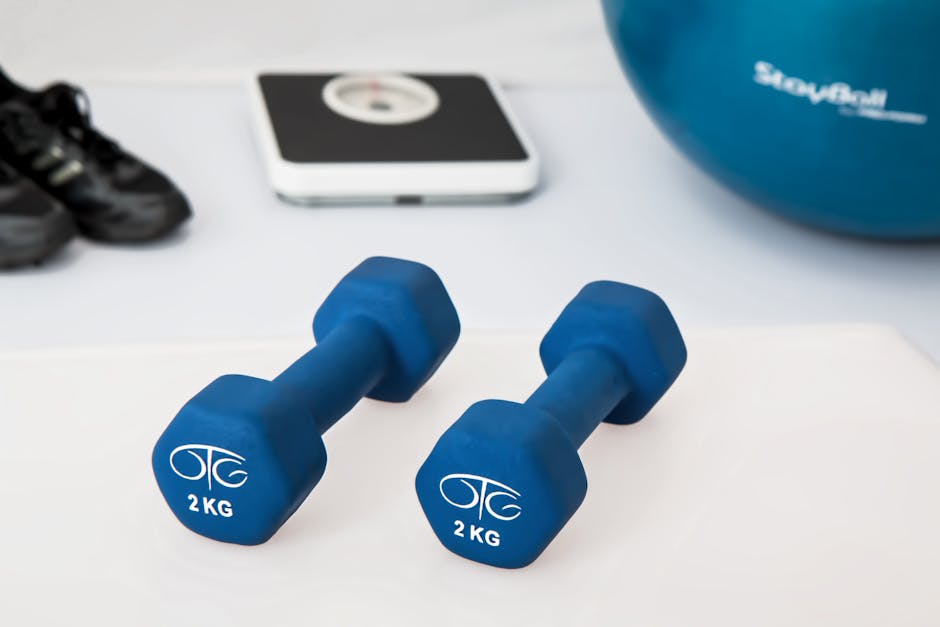
Introduction to Healthy Weight Loss
Maintaining a healthy weight is one of the most important things you can do for your overall well-being. **Weight loss** isn’t just about looking better in your favorite clothes—it’s about reducing your risk of chronic diseases, improving your energy levels, and enhancing your quality of life. When you carry excess weight, your body works harder to perform basic functions, putting strain on your heart, joints, and other vital organs.
Defining weight loss properly means creating a sustainable calorie deficit while preserving muscle mass and supporting your metabolism. The benefits extend far beyond the scale: improved cardiovascular health, better sleep quality, increased confidence, and reduced inflammation throughout your body. Research shows that even losing 5-10% of your body weight can lead to significant health improvements.
Your weight loss journey is unique to you, and understanding this from the start sets you up for long-term success. Rather than viewing it as a quick fix or temporary diet, approach weight loss as a lifestyle transformation that prioritizes your health and happiness.
Nutrition Tips for Weight Loss
Eating a balanced diet rich in nutrients forms the foundation of successful weight loss. Focus on incorporating **whole foods** like lean proteins, colorful vegetables, fruits, whole grains, and healthy fats into every meal. These nutrient-dense foods provide essential vitamins and minerals while keeping you satisfied longer than processed alternatives.
Portion control and mindful eating are game-changers for weight management. Use smaller plates to naturally reduce portion sizes, and eat slowly to allow your brain time to register fullness signals. Pay attention to hunger and satiety cues rather than eating out of habit or emotion. Try putting your fork down between bites and chewing thoroughly to enhance digestion and satisfaction.
Avoiding processed and high-calorie foods doesn’t mean eliminating everything you enjoy—it means making smarter choices most of the time. Replace sugary drinks with water or herbal tea, choose whole grain options over refined carbohydrates, and opt for baked or grilled proteins instead of fried versions. Reading nutrition labels helps you identify hidden sugars, excessive sodium, and unhealthy trans fats that can sabotage your progress.
Exercise and Movement for Weight Loss
Incorporating regular physical activity into your daily routine accelerates weight loss while building strength and endurance. Start with activities you genuinely enjoy, whether that’s dancing, hiking, swimming, or playing with your kids at the park. **Consistency matters more than intensity**, especially when you’re building new habits.
Different types of exercises offer unique benefits for weight loss. Cardiovascular activities like brisk walking, cycling, or jogging burn calories during the workout, while strength training builds lean muscle mass that increases your metabolic rate even at rest. High-intensity interval training (HIIT) combines both benefits in shorter time periods, making it perfect for busy schedules.
Staying hydrated and maintaining proper form during exercise prevents injury and maximizes results. Drink water before, during, and after workouts to support optimal performance and recovery. Focus on learning correct techniques rather than rushing through exercises—proper form ensures you’re targeting the right muscles and avoiding strain. Consider working with a fitness professional initially to establish good habits.
The Role of Sleep in Weight Loss
Understanding the connection between sleep and weight loss reveals why rest is just as important as diet and exercise. Poor sleep disrupts hormones that regulate hunger and satiety, leading to increased cravings for high-calorie foods and making portion control more challenging. **Quality sleep supports metabolic function** and helps your body efficiently process nutrients and burn fat.
Improving sleep quality and duration requires creating a consistent bedtime routine and optimizing your sleep environment. Keep your bedroom cool, dark, and quiet, and establish a regular sleep schedule even on weekends. Limit screen time for at least an hour before bed, as blue light interferes with melatonin production. Consider relaxing activities like reading, gentle stretching, or meditation to signal your body it’s time to wind down.
Sleep disorders like sleep apnea or chronic insomnia can significantly hinder weight loss progress by disrupting these crucial hormonal processes. If you consistently struggle with sleep despite good habits, consult with a healthcare provider to rule out underlying conditions. Addressing sleep issues often leads to breakthrough moments in weight loss journeys that seemed stalled.
Managing Stress and Mindset for Weight Loss
Stress impacts weight loss efforts through multiple pathways, including elevated cortisol levels that promote fat storage, particularly around the midsection. Chronic stress also triggers emotional eating patterns and makes it harder to stick to healthy habits. **Stress management is essential** for creating the mental and physical environment needed for successful weight loss.
Techniques for reducing stress and improving mental well-being include regular meditation, deep breathing exercises, yoga, journaling, and spending time in nature. Find stress-relief methods that fit your lifestyle and personality—what works for others might not work for you. The key is consistency rather than perfection in your stress management practices.
Developing a positive mindset for successful weight loss means shifting from restriction-based thinking to abundance-focused approaches. Instead of focusing on what you can’t eat, celebrate all the nourishing foods you’re adding to your diet. Practice self-compassion when you have setbacks, and view challenges as learning opportunities rather than failures. Positive self-talk and realistic expectations create sustainable motivation.
Tracking Progress and Staying Motivated
Keeping a weight loss journal or using a tracking app provides valuable insights into patterns and progress that might not be obvious otherwise. Track not just your weight, but also measurements, energy levels, mood, sleep quality, and how your clothes fit. **Progress comes in many forms**, and recognizing non-scale victories keeps you motivated during plateaus.
Setting realistic and achievable goals creates a roadmap for success while preventing overwhelm and disappointment. Break larger goals into smaller weekly or monthly targets that feel manageable. For example, aim to lose 1-2 pounds per week rather than focusing solely on your ultimate goal weight. This approach builds confidence through consistent small wins.
Celebrating small victories and maintaining motivation requires acknowledging every positive change, no matter how minor it might seem. Did you choose a salad over fries? Celebrate it. Did you take the stairs instead of the elevator? That counts too. Create a reward system that doesn’t involve food—treat yourself to new workout clothes, a massage, or a fun activity when you reach milestones.
Overcoming Weight Loss Challenges and Plateaus
Identifying common obstacles in the weight loss journey helps you prepare strategies before problems arise. Social situations, busy schedules, emotional triggers, and unrealistic expectations are typical challenges that derail progress. **Anticipating obstacles** allows you to develop coping strategies and backup plans that keep you on track.
Strategies for overcoming challenges and breaking through weight loss plateaus include varying your exercise routine, adjusting your calorie intake, ensuring adequate protein consumption, and managing stress levels. Sometimes plateaus indicate your body has adapted to your current routine and needs new challenges to continue progressing. Consider working with a nutritionist or trainer to identify specific adjustments.
The importance of perseverance and consistency cannot be overstated in successful weight loss. Progress isn’t always linear—expect ups and downs, stalls and breakthroughs. Focus on building sustainable habits rather than achieving perfect days. Consistency in your efforts, even when motivation wanes, creates the momentum needed for long-term transformation.
| Weight Loss Factor | Impact Level | Time to See Results |
|---|---|---|
| Nutrition Changes | High | 2-4 weeks |
| Regular Exercise | High | 4-6 weeks |
| Sleep Quality | Medium | 1-2 weeks |
| Stress Management | Medium | 2-3 weeks |
| Hydration | Low-Medium | 1 week |
Frequently Asked Questions
Q: What is the best way to start a weight loss journey?
A: Start by setting realistic goals and making small, sustainable changes to your daily routine. Focus on adding nutritious foods, increasing daily movement, and establishing consistent sleep patterns. Building accountability through support systems or tracking tools increases your chances of success.
Q: How can I ensure that my weight loss is sustainable and long-term?
A: Develop healthy habits and routines that you can maintain for life rather than following restrictive temporary diets. Focus on gradual changes, practice portion control, stay active in ways you enjoy, and address emotional eating patterns. Avoid extreme measures that aren’t sustainable over time.
Q: What are some common mistakes people make when trying to lose weight?
A: The biggest mistakes include following fad diets, eliminating entire food groups, setting unrealistic timelines, and focusing solely on the scale rather than overall health improvements. Avoid all-or-nothing thinking and extreme calorie restrictions that often lead to yo-yo dieting cycles.
Top Product Recommendations
| Product Name | Rating | Key Feature | Est. Price | Action |
|---|---|---|---|---|
| Top-rated digital food scale for portion control | ★★★★★ | Editor-recommended digital food scale for portion control from this guide | $18–$42 | Check Lowest Price on Amazon |
| Best-value fitness tracker for weight loss | ★★★★☆ | Affordable fitness tracker for weight loss — strong everyday results | $12–$28 | Check Lowest Price on Amazon |
| Premium meal prep containers for healthy eating | ★★★★☆ | Higher-end meal prep containers for healthy eating for visible, lasting results | $45–$95 | Check Lowest Price on Amazon |
Affiliate Disclosure: This post contains affiliate links. We may earn a commission if you buy through our links, at no extra cost to you. Medical Disclaimer: This content is for informational purposes only and is not medical advice. Consult a healthcare professional before changing diet or exercise.
Leave a Reply